End To End · Hampstead
Carpet Cleaning Hampstead
A dark patch, a faded walkway and an old spill can look similar in a photograph but raise different cleaning questions. For a Hampstead carpet appointment, describe the history and material so assessment begins with useful information rather than an assumed result.
- Give stains a cause and treatment history
- Distinguish soiling from changed fibres
- Include access and drying in the plan

Look at the carpet before naming the treatment
Describe the affected rooms and the extent of the problem. Is it a general refresh, a traffic route or a specific spot? Include photographs showing the wider carpet as well as the mark, with any label or supplier information that identifies the fibre and backing.
The main carpet service offers assessed treatment for suitable materials. Hot water extraction is one available method, not a universal prescription for every rug or carpet. If material information is unavailable, explain that uncertainty and ask how suitability will be established.
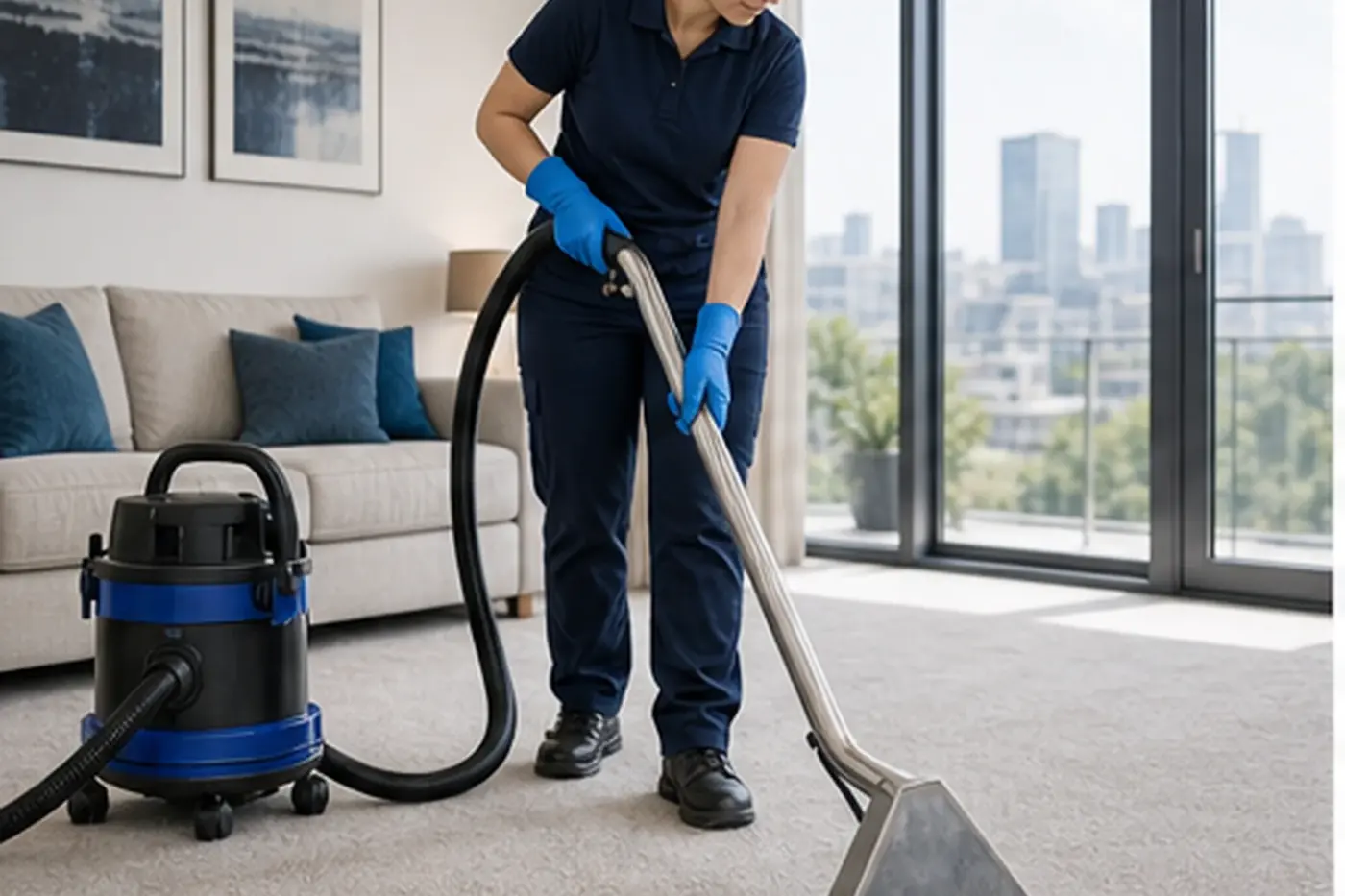
A stain history is more useful than repeated products
Tell us what caused the mark if known, when it happened and what has been used on it. Include the product name and any visible change after application. Do not apply several unfamiliar products simply because an earlier attempt did not give the result you wanted.
An older spill, removable dirt and loss of colour need different expectations. Treatment cannot recreate missing dye or repair worn fibres. Ask what can realistically be attempted for the actual surface and condition, with any limitations identified before you accept the work.
Separate the room scope from the stain concern
A room can need general cleaning even when one mark is unlikely to disappear. List exposed areas, furniture remaining, stairs and landings clearly so the appointment is not defined solely by the most difficult spot. Separate rugs need their own material, size and condition details.
Discuss heavy furniture before expecting access beneath it. If a patch is currently covered, provide information once it becomes visible and update the enquiry. Record existing damage, loose edges and discolouration so the initial condition is clear to the person reviewing completion.
| Visible change | Question for assessment |
|---|---|
| Dark traffic route | What soil and treatment history is known? |
| Pale patch | Could wear or colour loss be involved? |
| Old spill | Which products were applied previously? |

Understand what drying information needs to cover
The proposed method, material, ventilation and room conditions affect drying and aftercare. Explain when you need to use each room, whether people or pets must pass through and whether furniture will be delivered. Ask for guidance that reflects those circumstances.
A treatment may be complete before normal use is advisable. Pass instructions to other occupants and anyone holding keys. If the carpet is part of a tenancy handover, keep the inspection schedule and review window consistent with the actual drying plan rather than a general estimate.
Prepare access without creating another obstacle
Clear small possessions and cables, then confirm which furniture remains. Do not move everything into a passage needed for equipment. Discuss working water and electricity, entry systems and any stairs or restrictions along the route.
For a Hampstead property in Camden, the council’s parking guide distinguishes visitor, trade and bay-clearance arrangements. Check what matches the actual visit instead of assuming that proximity to the property gives a work vehicle permission to park. Describe the lawful unloading option when booking.
Choose other services for their own purpose
An upholstered sofa has different fabric and care-label information from the carpet around it. Request upholstery cleaning separately, with the items and cushions identified. It should not be treated as included merely because the equipment is coming to the same address.
If the home needs attention to kitchen or bathroom residue, discuss deep cleaning. If unwanted furniture prevents access, arrange an accepted clearance service first. Keep those tasks itemised so preparation and timing can be planned accurately.
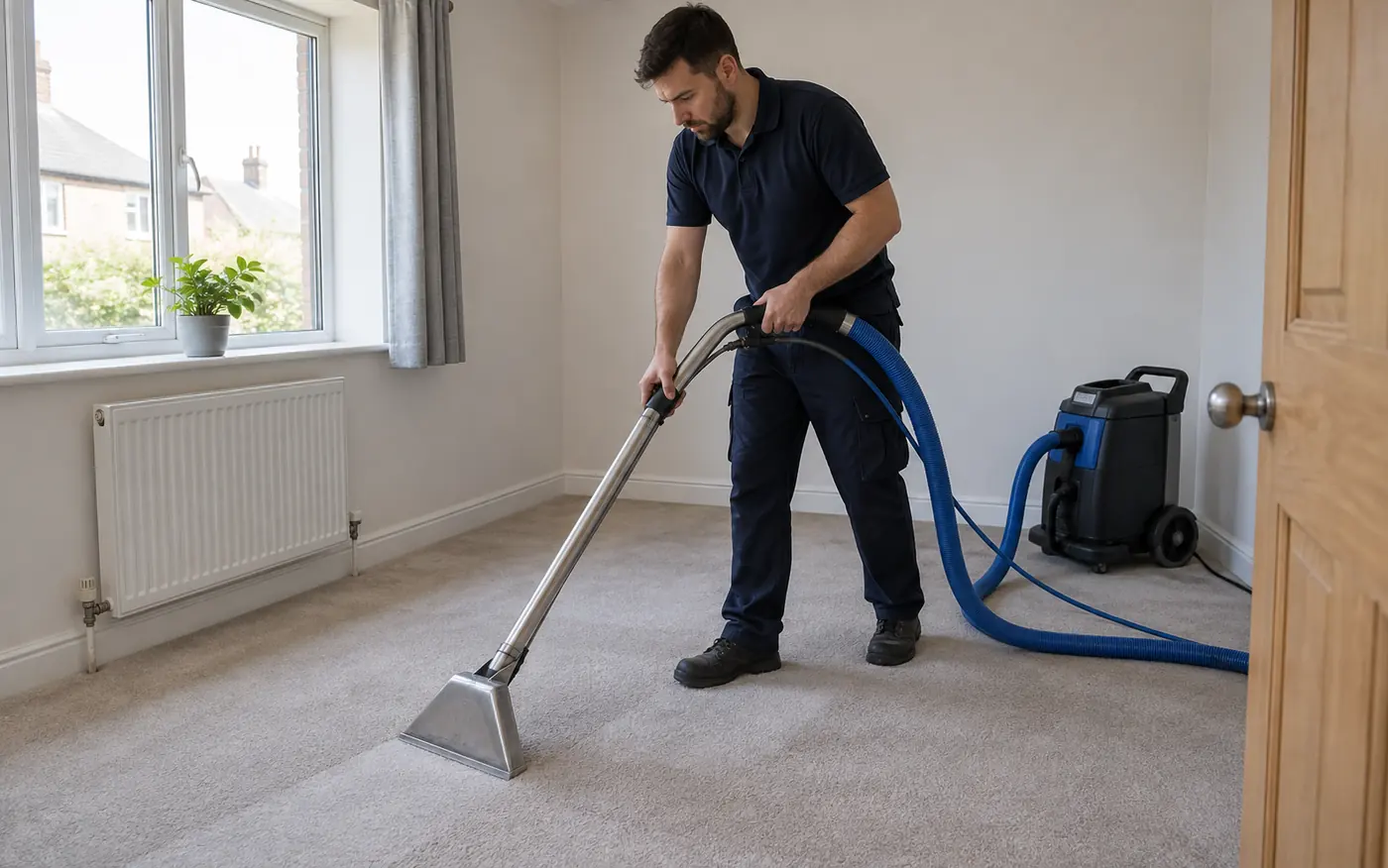
Confirm cost and review against the accepted brief
Read the published pricing and request a total based on areas, condition, stairs, rugs and additions. Clarify applicable VAT, agreed access costs and any treatment that remains subject to assessment. A starting room price cannot guarantee removal of every stain.
Check the full postcode through our coverage guide. At completion, compare the treated areas with the room list and discuss a particular concern using its location and history. Retain aftercare instructions and the accepted limitations for any later question about the result.
Practical answers
Questions about methods and materials
Can you tell whether a patch is wear from a photograph?
Photographs help the initial discussion but do not replace assessment. Include material details, the surrounding area and any known change over time.
Why do you need the earlier product name?
Previous treatment can affect the material and achievable result. Explain what was applied and any change you noticed rather than leaving the team to guess.
Can one difficult stain be excluded from a room clean?
Discuss it explicitly. The accepted scope and limitations should distinguish general treatment from a specific mark that may remain or require a different assessment.
What if I cannot keep a room unused afterwards?
Explain that before confirming. The method and aftercare need to fit the circumstances; a deadline does not establish that immediate normal use is suitable.
Nearby areas
These nearby guides describe the same service in surrounding locations.
See our coverage guide and confirm your full postcode when enquiring.
Your next step
Ask the right questions before treatment.
Explain the materials, condition and access when speaking to End To End.