End To End · Whitechapel
Deposit Return Cleaning Whitechapel
Use this Whitechapel guide to distinguish a cleaning task from a repair before handover. Build a concise brief from the inventory, photographs and accessible rooms, then request a quote for suitable work.
- Compare condition with the inventory
- Identify materials and permanent marks
- Keep evidence useful and specific
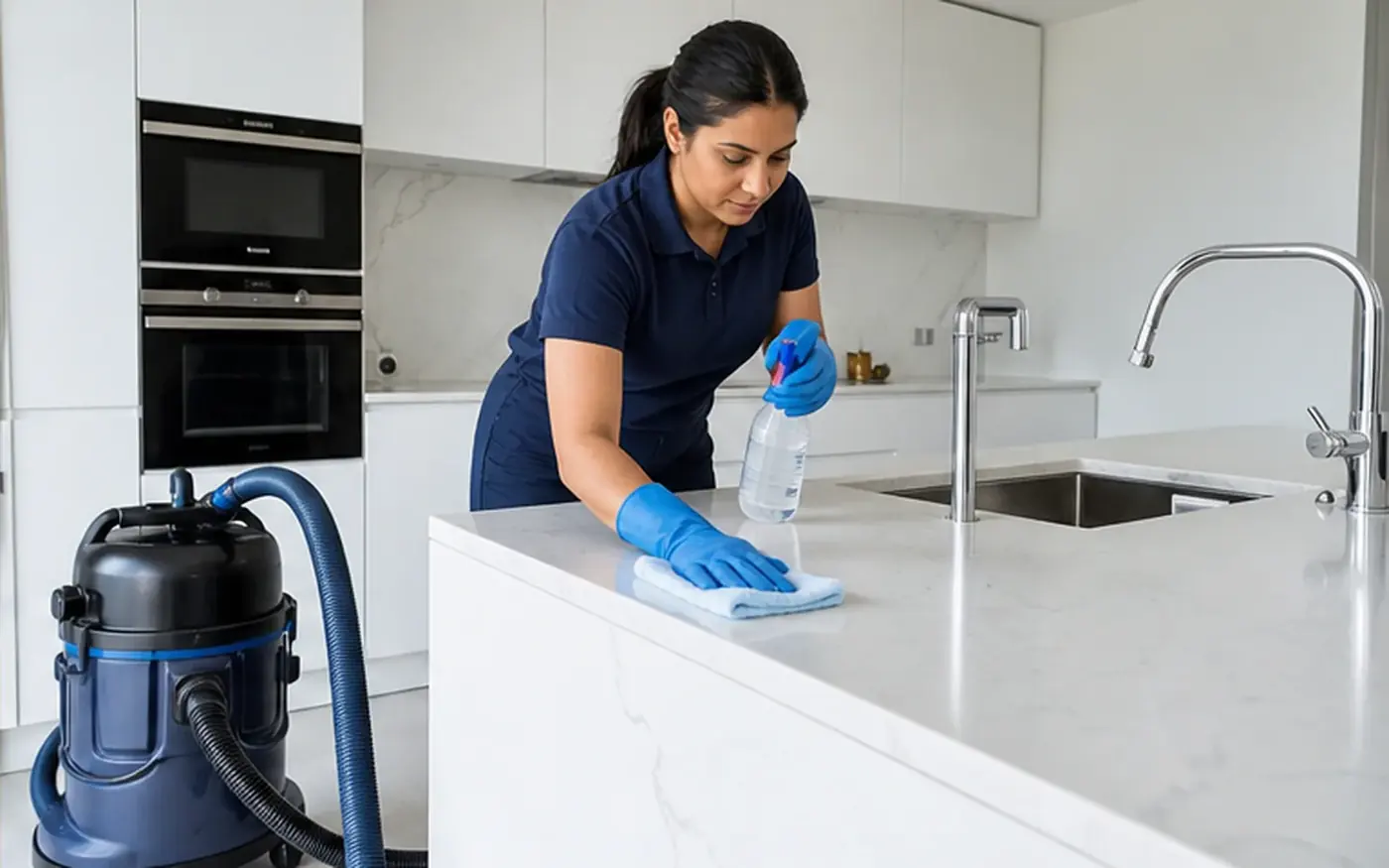
What deposit return cleaning actually means
The name describes why a customer wants cleaning, rather than a different kind of deposit protection. A booking can address agreed accessible dirt and residue before handover. It cannot determine liability, make an inspection binding or promise that money will be returned. Keep these limits clear when discussing the service with anyone involved in the move.
Read the main service explanation alongside the tenancy cleaning scope. Compare the condition recorded at check-in with what is visible now. Translate concerns into locations and tasks: crumbs inside an empty drawer or soap residue on a reachable screen, rather than a general demand for perfection.
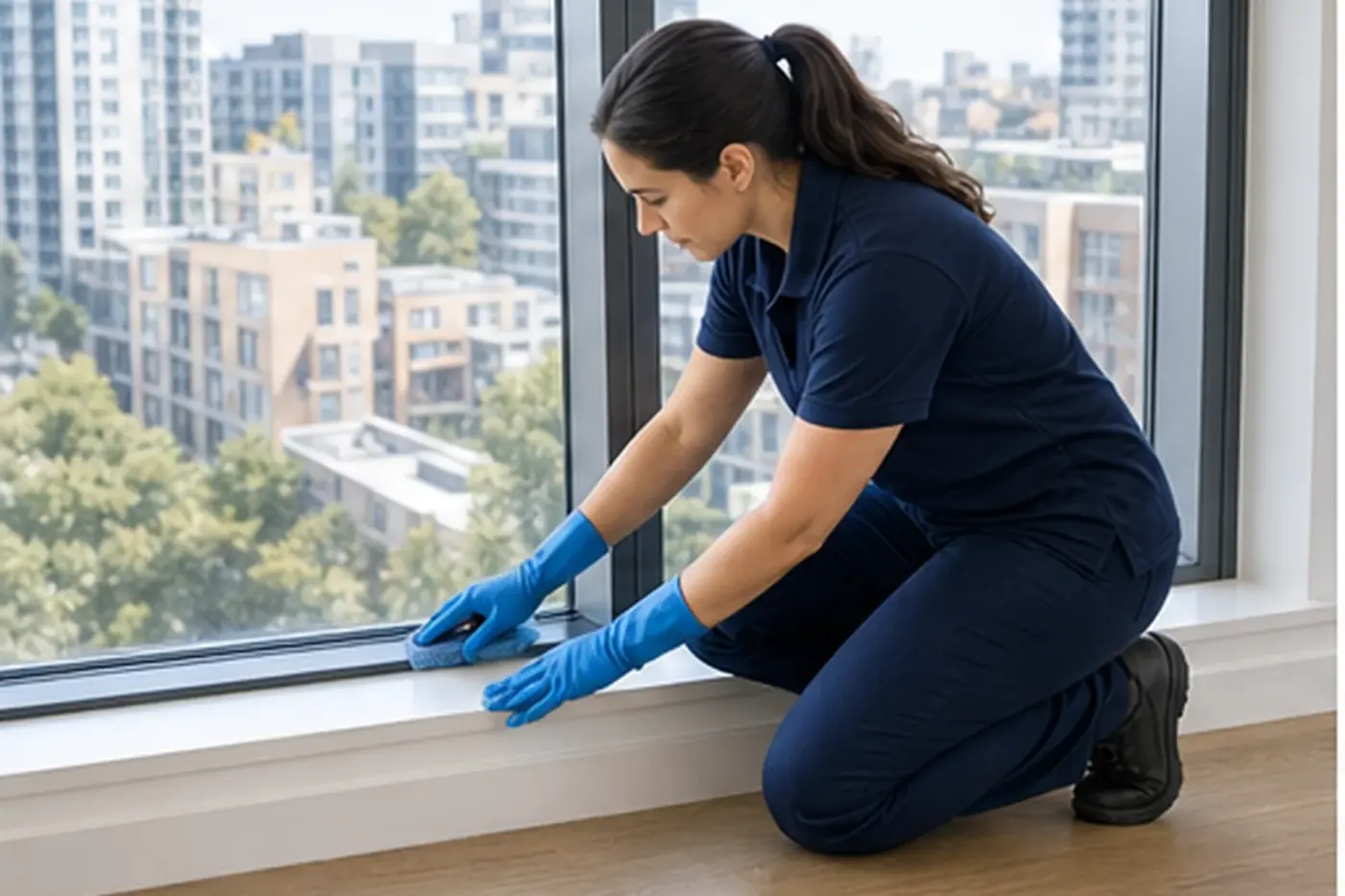
Read kitchen surfaces before choosing treatment
Grease, food residue and dust need to be distinguished from damaged coatings or swollen cabinet edges. Describe the worktop material and any care instructions available. Empty cupboards that are included and photograph the inside as well as the door fronts. A glossy exterior can hide storage that still needs preparation before the team arrives.
List appliances separately, including the oven, hob, extractor and any refrigeration interiors. An accepted oven cleaning booking may require its own method and time. It does not imply appliance repair or unlimited dismantling. Fridges and freezers must be prepared safely according to the instructions agreed for the appointment.
Distinguish bathroom residue from deterioration
Reachable tiles, sanitaryware, mirrors, screens and taps can form part of an agreed cleaning checklist. Explain heavy mineral residue or difficult corners in advance. Etched glass, missing grout and failed silicone are different issues; cleaning cannot replace materials or reverse wear. Photograph defects so they do not disappear inside a vague request to clean the bathroom.
Suspected mould needs its own assessment rather than being folded into soap-residue removal. Share the extent, material and any known moisture concern before asking about a treatment. Do not apply several products ahead of a visit to conceal a mark. The team needs an accurate account of what is present and what has already been attempted.
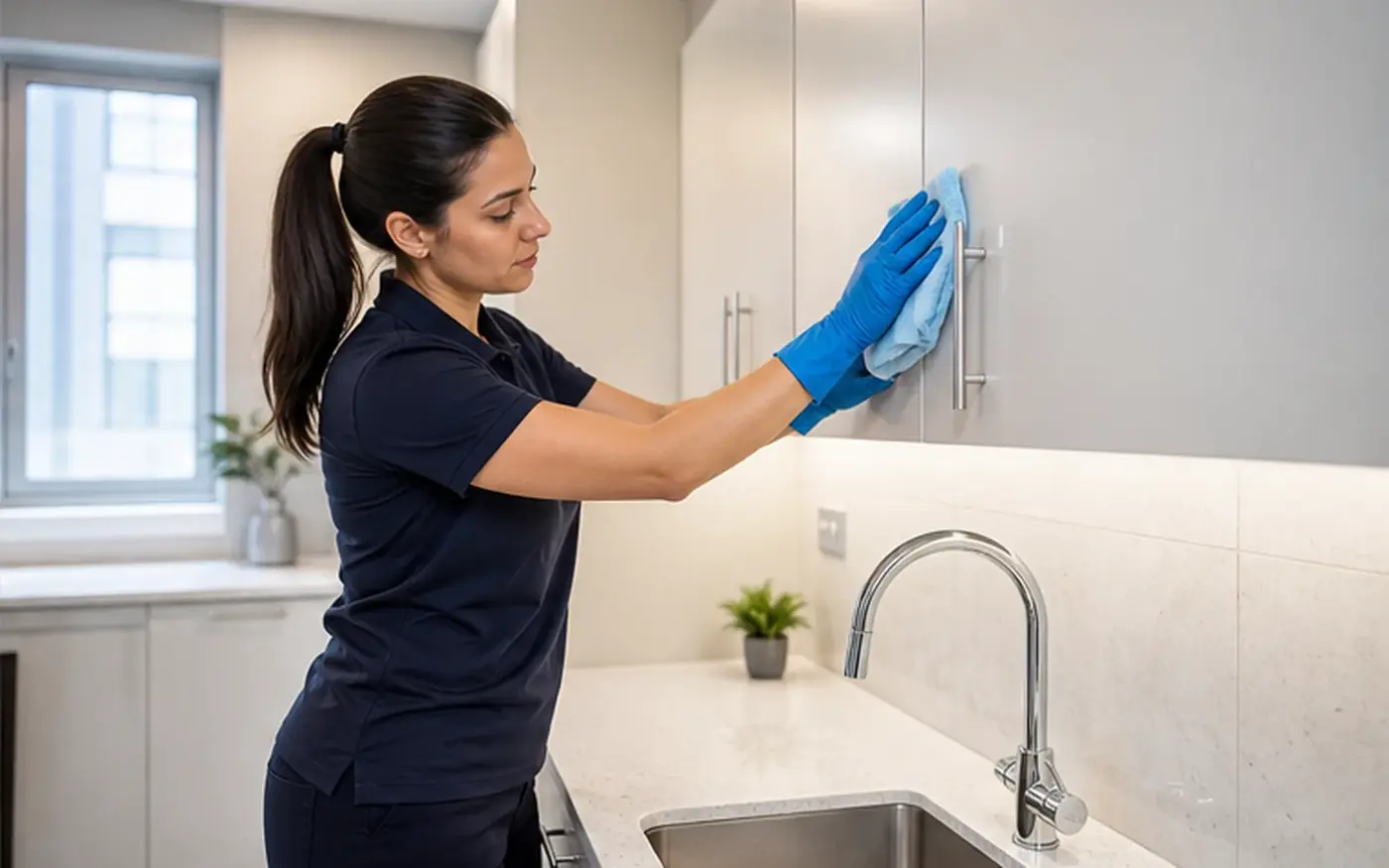
Use photographs that show where the issue is
A close-up alone may make a small mark look extensive or leave its location unclear. Pair it with a wider view showing the room, surface and surrounding fittings. After cleaning, use a similar viewpoint where practical and retain the booking confirmation. Ask what service record is available if the agent requests documentation.
A separate property inventory appointment may help when a condition record is needed, but it is not the same service as cleaning. Neither a photograph nor a receipt resolves a dispute on its own. The purpose here is clear communication about accepted tasks, existing limitations and the condition reviewed at handover.
Make the quote match the requested work
When comparing a cleaning concern with damage, ask for a quote that identifies the suitable work on the actual surfaces. Include storage and appliance requests, whether the property is empty or furnished and any fabric assessment needed. Existing wear or damage should remain distinguishable from the residue being cleaned, so neither the price nor the handover review relies on an assumption of restoration.
Confirm the complete total, applicable VAT and any agreed access charge before booking. Specify carpet or upholstery treatments individually and plan drying before inspection. Permanent stains and damaged materials can remain. Ask about follow-up reporting terms without assuming a fixed return period or any deposit guarantee.
Name items consistently in your records
Use the same room and item descriptions when sending photographs, accepting the quote and reviewing the finished work. A reference such as bedroom rear wardrobe shelf is easier to locate than the dusty cupboard. If an inventory uses different room names, explain the correspondence once. This small preparation makes questions easier to resolve without creating an additional claim about an inspection result or any tenancy obligation.

Clear the Whitechapel handover route
If unwanted furniture blocks the rooms, arrange disposal before the final clean. Tower Hamlets’ bulky-waste guidance says council collectors do not enter properties. Check accepted items, collection requirements and building arrangements directly rather than leaving large objects in a communal escape route.
Give reliable key instructions and a contact who can answer questions during the visit. Retain working utilities and enough access time to review the accepted checklist. If an agent later identifies a specific cleaning concern, share the exact area and photographs promptly. Consider it against the agreed scope while keeping repairs, missing items and other tenancy matters separate.
Practical answers
Questions about methods and materials
Is every stain a cleaning failure?
No. Some marks are permanent staining, wear or material damage. Identify them early and ask what suitable cleaning can realistically address.
What makes a useful photograph?
Show the room or item in context and add a clear closer image of the concern. Explain its location, material and previous treatments where known.
Can a receipt guarantee acceptance?
No. Ask what service record is supplied, but keep it separate from any agent assessment or decision about the tenancy deposit.
Are cupboards cleaned while full?
Only agreed accessible surfaces can be treated. Empty the included storage in advance and tell the team about areas that cannot be cleared.
Nearby areas and wider borough coverage
These nearby guides describe the same service in surrounding locations.
See our coverage guide and confirm your full postcode when enquiring.
Your next step
Ask the right questions before treatment.
Explain the materials, condition and access when speaking to End To End.