End To End · Clapham
Deep Cleaning Clapham
The depth of a clean comes from the areas agreed and the condition addressed, not from using the strongest product everywhere. For a Clapham home, describe materials and residue together so the team can assess suitable work room by room.
- Explain the finish beneath the build-up
- Separate routine detail from specialist tasks
- Prepare cleared surfaces and reliable utilities
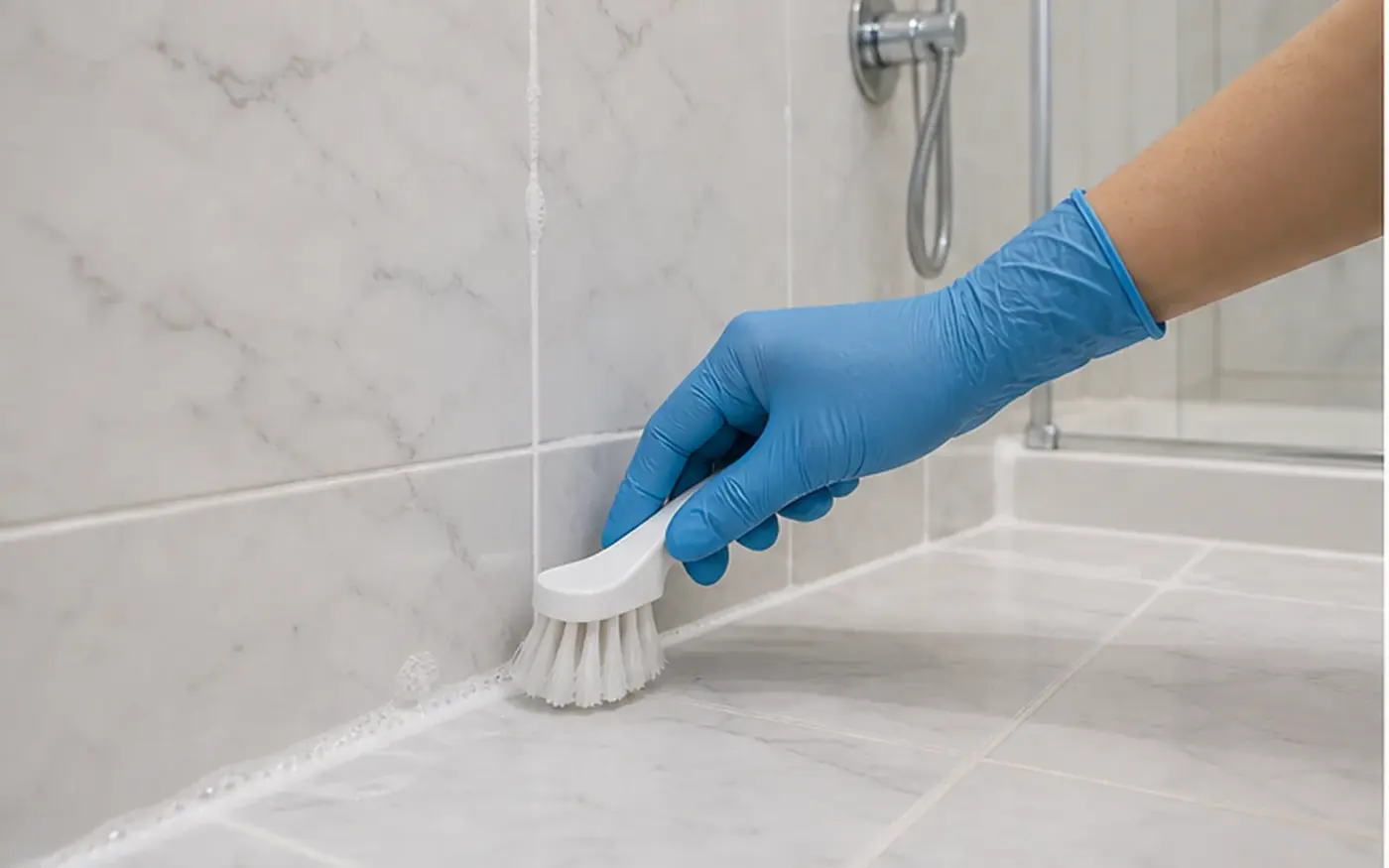
Assess the condition before deciding the method
Identify the main concerns: accumulated kitchen grease, bathroom residue or dusty reachable details. Share a room view and close photographs of demanding areas. Include any care guidance for stone, wood, coatings or recently installed finishes, with uncertainty flagged rather than guessed.
The deep-cleaning service works to an accepted scope of accessible tasks. More intensive attention does not mean unrestricted treatment of every mark, moving every appliance or reaching every fitting. Define the surfaces first so the proposed method can suit the actual materials.
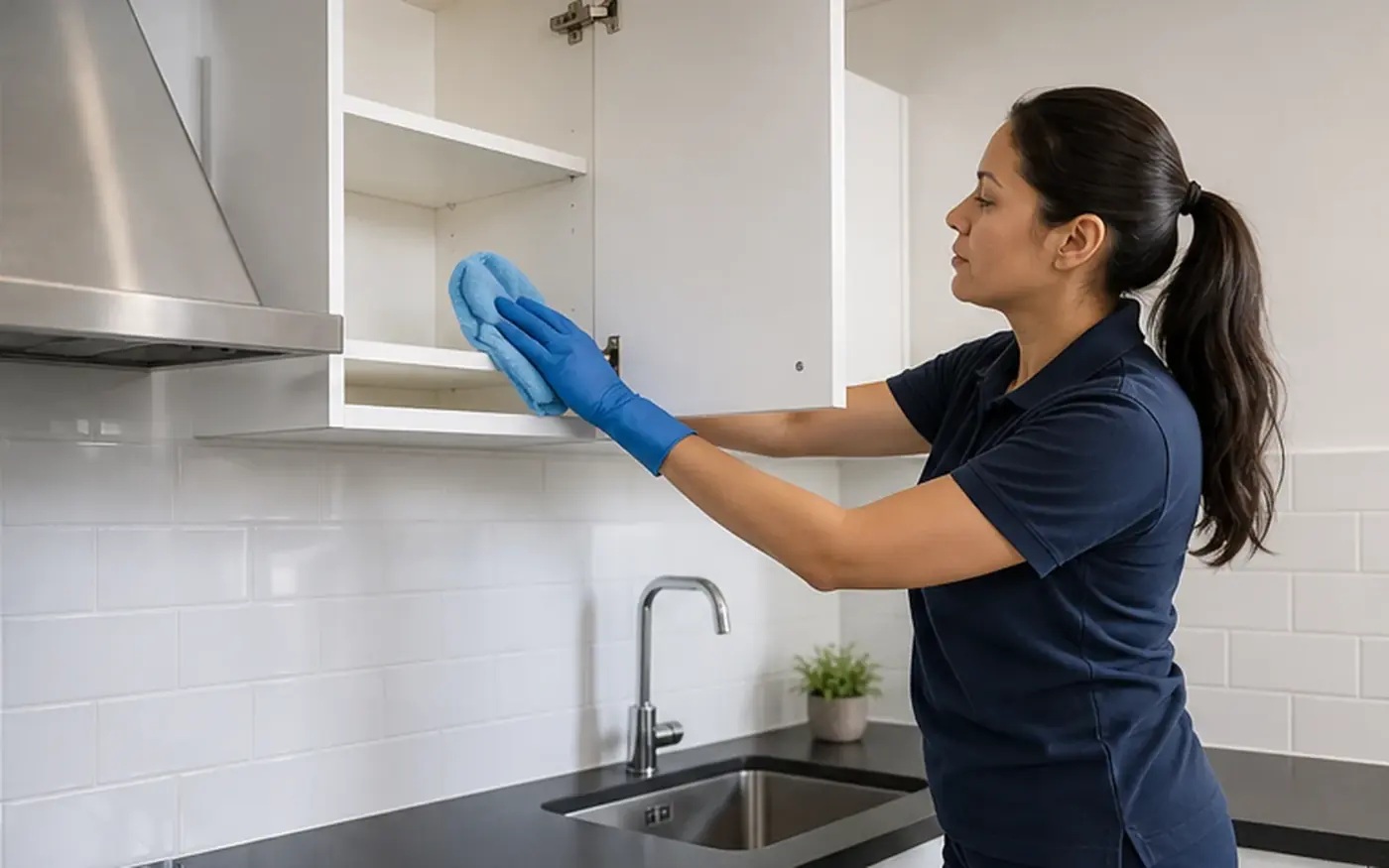
Kitchen detail needs a surface-by-surface description
List worktops, sink, hob areas, splashbacks and cupboard fronts. Explain which storage interiors are requested and will be empty. Describe greasy handles or residue around accessible fittings in addition to the broad kitchen condition shown in the photographs.
A damaged coating or swollen cabinet is a separate issue from dirt. Record it before work starts and share earlier product use. If detailed oven cleaning is needed, identify the appliance and components individually; a kitchen brief should not conceal an unassessed dismantling or specialist appliance request.
Bathroom marks can have different causes
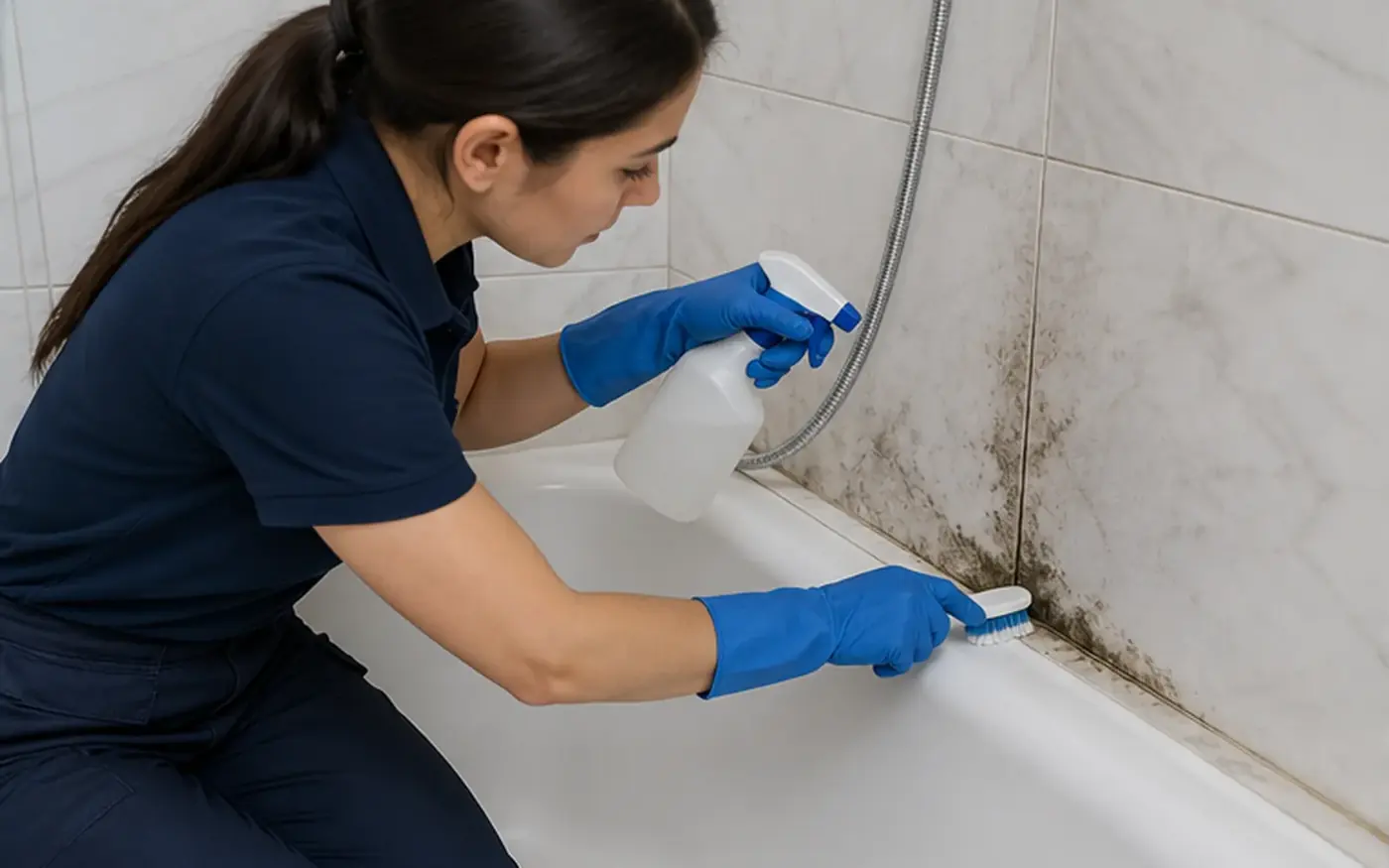
Tell us whether the concern is soap residue, removable scale or a changed finish. Identify the basin, toilet, taps, screen, bath or shower and reachable tiled areas to include. Existing etching, failed seals and damaged grout may remain even after appropriate cleaning.
Discuss suspected mould separately through an assessed mould-removal enquiry. Give photographs and any known moisture history. A surface clean cannot repair a building defect or establish the condition of hidden cavities, so it should not be described as a diagnosis or permanent prevention service.
| Room concern | Information for a suitable method |
|---|---|
| Greasy kitchen fitting | Finish, residue and previous products |
| Marked bathroom surface | Scale, etching or coating condition |
| Covered floor area | Actual access and furniture remaining |
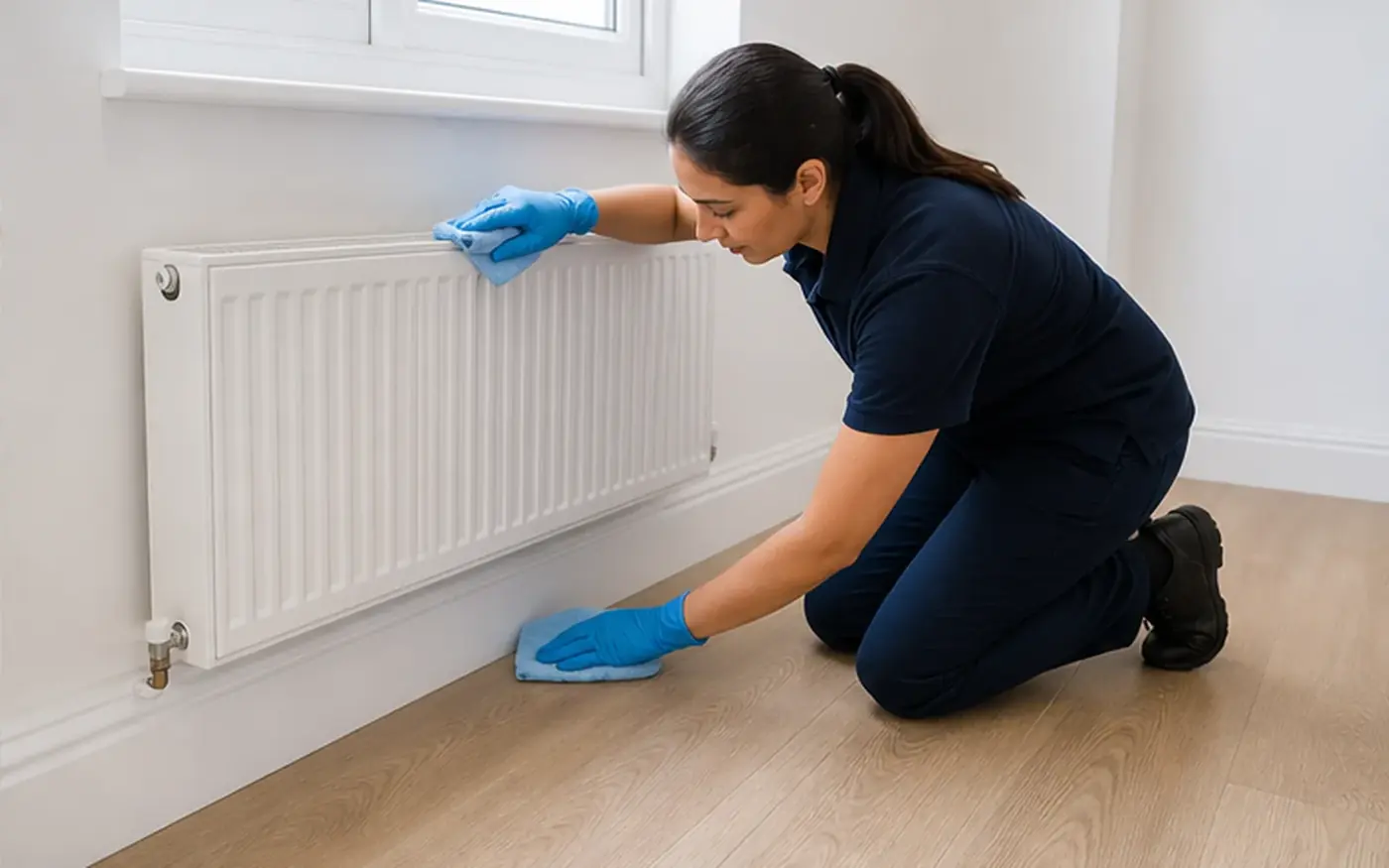
Set practical limits in the other rooms
Agree reachable shelving, doors, switches, ledges, skirting and suitable exposed floors. Explain furnishings and clear loose belongings from the work area. If access behind a heavy item is important, discuss it before accepting instead of assuming the team can move it safely.
Specialist carpet and upholstery treatment needs a separate assessment of material, condition and drying. Routine vacuuming within a room clean is not the same scope. Keep fabric requests named so the preparation and aftercare reflect what is actually booked.
Prepare without experimenting on uncertain finishes
Remove food, toiletries and personal possessions from included surfaces. Empty the storage accepted for cleaning and keep loose cables out of the equipment route. Provide water, electricity and lighting, with a contact who can answer material or priority questions.
Do not apply an unfamiliar chemical simply because a mark has resisted ordinary wiping. Explain what you have tried and share the product name where possible. Cleaning cannot necessarily reverse an earlier product’s effect on a delicate finish, and accurate information is more useful than hiding an unsuccessful attempt.
Clapham access requires address-specific arrangements
Confirm the council for the property if reserved vehicle space is needed. For an address in Wandsworth, the council’s suspension guidance explains approval for the relevant arrangement. Do not assume that guidance or a permit from one borough applies across every Clapham address.
Explain lawful unloading, stairs, shared doors and any building instructions. Check the full postcode using our coverage guide. If this is also a checkout, share the tenancy requirements so access, preparation and review are matched to the handover.
Ask for cost and limitations in the same discussion
Consult the published pricing, then request a total based on your rooms, residue, access and accepted additions. Clarify applicable VAT and agreed access charges. The written quote should make any material-dependent uncertainty visible rather than imply every stain is included without limits.
At completion, use the accepted task list to review the work. Identify a specific remaining concern by room and surface and ask for the agreed reporting route. A useful result is assessed against named cleaning tasks, with damage and inaccessible work treated according to their actual boundaries.
Share the same surface-care information with the person providing access so they can answer practical questions accurately.
Practical answers
Questions about methods and materials
Does a stronger product mean a deeper clean?
No. Suitability depends on the surface and residue. Share material information and earlier treatments so the approach can be assessed rather than chosen by strength alone.
Should I mention an unsuccessful cleaning attempt?
Yes. Give the product name and explain any change to the finish. That history can affect the assessment and realistic expectations.
Can you clean behind connected appliances?
Describe the access required first. Heavy movement and disconnection are not implied; the accepted task must have a suitable safe approach.
Which local parking instructions should I follow?
Use the council and restrictions for the exact property address. Clapham should not be treated as having a single borough-wide permission for every visit.
Nearby areas
These nearby guides describe the same service in surrounding locations.
See our coverage guide and confirm your full postcode when enquiring.
Your next step
Ask the right questions before treatment.
Explain the materials, condition and access when speaking to End To End.