End To End · Bayswater
Mould Removal Bayswater
A visible mark is only part of an enquiry when furniture, fittings or height restrict access. Describe the actual Bayswater work area and its materials so suitable surface treatment can be considered without assuming every visible location is reachable.
- Working access explained before confirmation
- Materials and deterioration considered
- Hidden areas kept outside unsupported promises
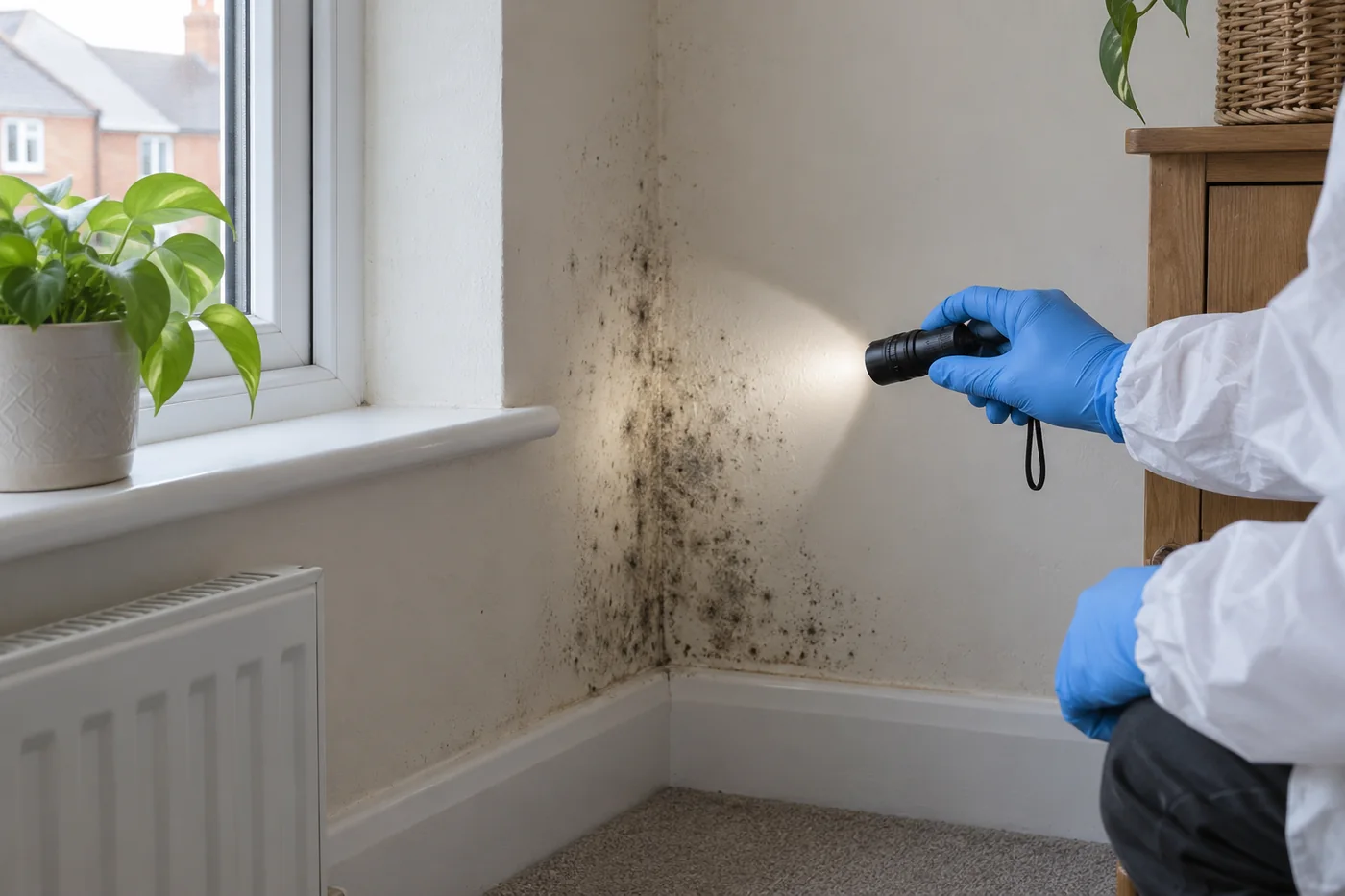
Show the working area as well as the mark
Send a photograph that includes the surrounding furniture, fittings and route to the affected surface, with closer detail of the visible concern. Give approximate dimensions and explain any height or obstruction. A mark visible from the room may not be reachable for appropriate work, and an initial image should not conceal that practical limitation.
The mould removal service assesses suitable accessible surfaces before accepting treatment. It does not assume high access, removal of fitted items or inspection inside concealed spaces. Tell the team what can be cleared and what remains in place rather than expecting access to be created automatically during the appointment.
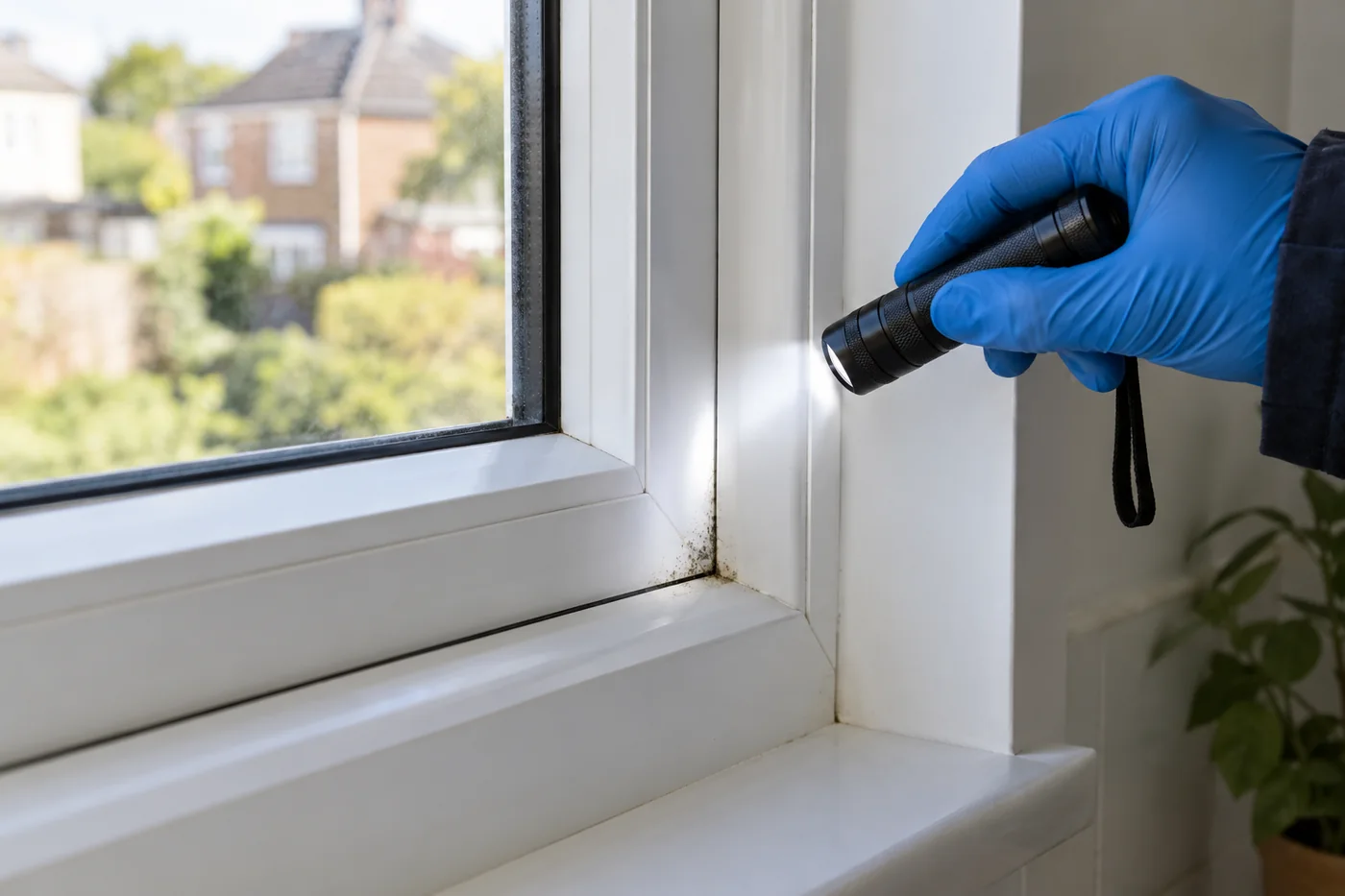
Describe finishes and adjoining materials separately
Identify the affected material where known: painted plaster, tile, silicone, timber or another finish. Give care instructions if available and flag uncertainty. Adjoining materials may have different limitations, so a suitable method for one surface does not automatically apply across a whole window surround or bathroom corner.
Describe visible deterioration without disturbing it. Failed seals, loose paint or damaged porous materials may require repair or replacement rather than cleaning. Staining can remain after appropriate visible treatment. An accepted scope should distinguish these conditions from removable surface growth instead of promising that every finish can be made new.
Explain moisture history without filling in unknown causes
Tell the assessor about known leaks, water damage, recurring marks and earlier treatment. State what has actually been investigated and what remains uncertain. A visible location or a photograph cannot determine every moisture source or the condition of hidden material. Do not use a cleaning enquiry to assign responsibility for a building problem.
The government’s damp and mould guidance supports addressing moisture alongside visible growth. Arrange an appropriate property professional where further investigation is needed. Surface treatment is not a structural survey, a repair certificate or a guarantee that the issue cannot recur.
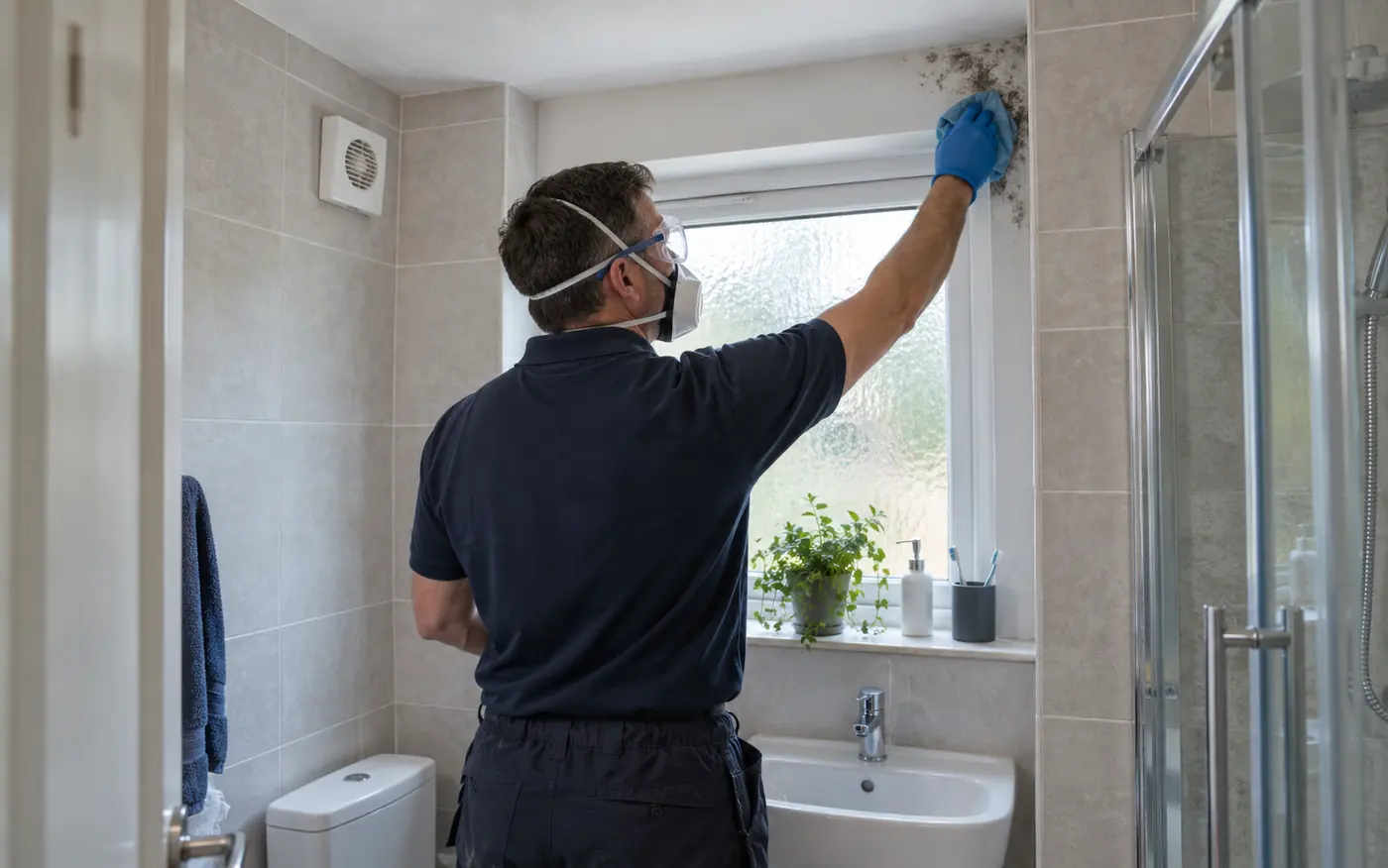
Agree preparation before moving belongings
Discuss large objects, affected belongings and any route through the home before deciding what should move. Do not assume furniture handling or disposal is part of the cleaning quote. Keep people, pets and possessions clear as instructed for the assessed work, with a contact available if the actual condition differs from the information supplied.
Disclose products already used and avoid mixing chemicals, sanding or repainting ahead of assessment. The contractor should determine suitable methods, controls and any necessary PPE. HSE’s respiratory protection guidance provides context where equipment is required, without establishing a single household mask or recipe for every property.
Separate other room-cleaning requests
If ordinary residue on unaffected surfaces also needs attention, identify it through bathroom deep cleaning or deep cleaning. Name those tasks separately so a mould assessment is not represented as a whole-home cleaning appointment or an automatic repair service.
For a handover, the tenancy cleaning checklist can describe general accessible rooms. It does not inspect every hidden area or establish treatment suitability for suspected mould. A checkout deadline needs discussing, but it cannot replace material and access assessment or guarantee what a landlord will conclude.
Price the work that can actually be accepted
Mould removal is published from £120. The actual materials, visible extent, condition and working access determine suitability and the quote. A starting figure is not a fixed price for every Bayswater address or acceptance of work above safe reach, behind fittings or within concealed layers. Ask what further information is needed before booking.
Confirm the written total, applicable VAT, exclusions and any agreed access charge. If access or extent changes, update the enquiry before arrival. A clear limitation is more useful than an unsupported promise about a surface that cannot be assessed. No medical conclusion, permanent-removal warranty or hidden-mould certification is implied.
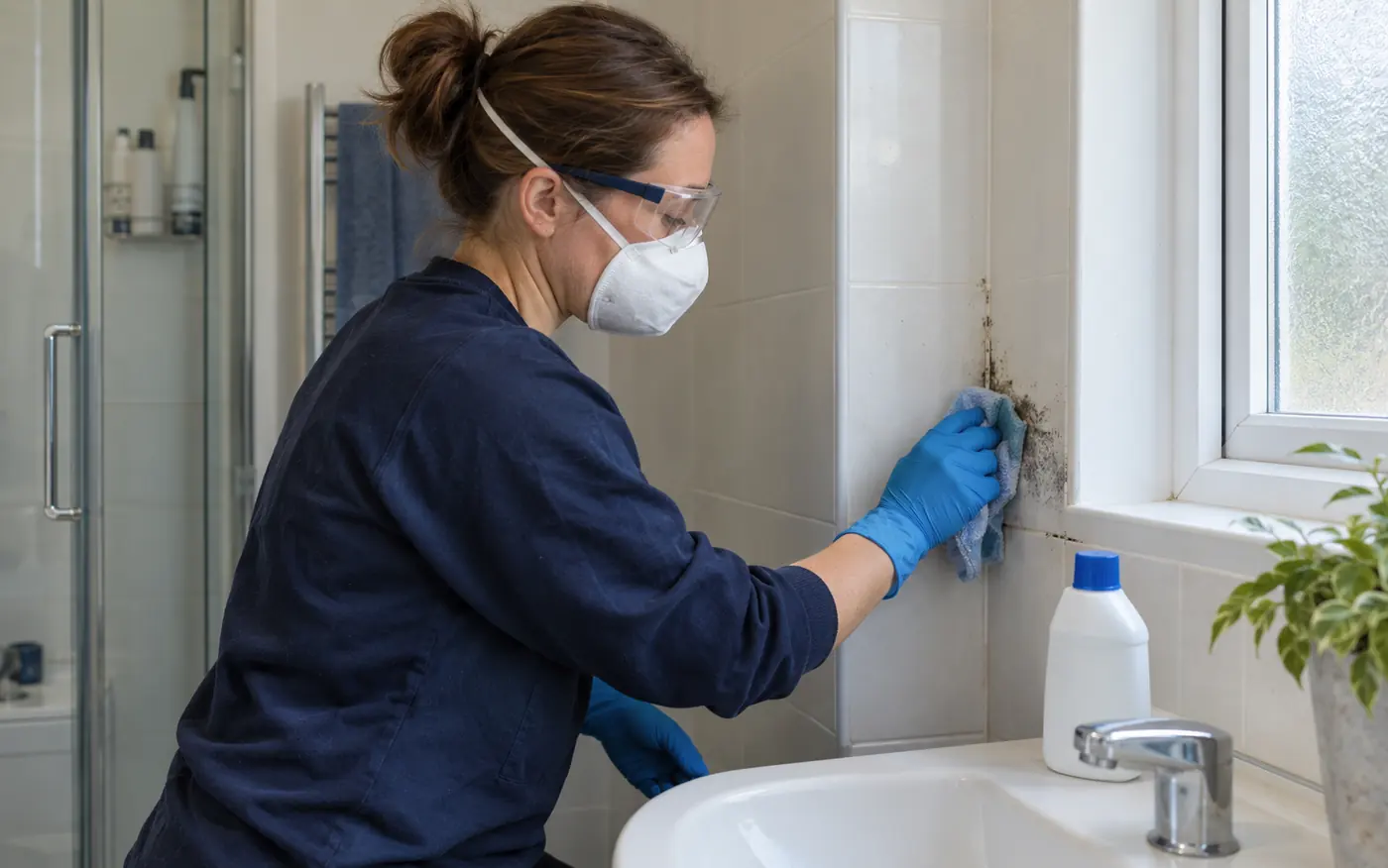
Bayswater arrival and the scope record
Confirm the authority for the actual street. Where Westminster applies, check the council’s trade-parking guidance and relevant zone conditions before planning equipment access. A booking does not reserve a bay or make an occupier’s permission automatically applicable to another vehicle. Provide reliable keys and the lawful working route.
Keep the accepted locations, limitations and any separate referrals after the visit. If another area becomes visible later, supply its own photographs and information rather than extending conclusions from the treated surface. See coverage information for nearby options and confirm suitability and availability for each exact enquiry.
Practical answers
Questions about mould removal
Does seeing a mark mean it is accessible for treatment?
No. Explain height, fittings, furniture and the working route. Suitable access must be assessed before work is accepted.
Will fitted items be removed automatically?
No removal or dismantling is implied. Describe obstructions and ask what access can be accepted rather than assuming the team will create it.
Can a hidden area be certified from a surface clean?
No hidden-material certification follows from visible treatment. Concealed conditions may need a separate appropriate professional assessment.
What should I do if access changes?
Update the team before attendance. Changed furniture, extent or restrictions may affect suitability and the agreed treatment scope.
Nearby areas
For another property nearby, choose the location where the work is needed.
See our coverage guide and confirm your full postcode when enquiring.
Your next step
Agree the work before the visit.
Share the surfaces or items needing attention so the booking can be assessed properly.