End To End · Belgravia
Carpet Cleaning Belgravia
Before choosing a treatment, collect what you know about the carpet: its material, backing, previous cleaning and the cause of visible marks. For a Belgravia appointment, that history helps establish suitable work and realistic expectations without treating every carpet alike.
- Share care information and earlier treatments
- Describe separate rugs individually
- Plan use around material-specific aftercare

Find useful information without guessing the fibre
Look for a supplier record, label or care instructions and share photographs where available. Explain which rooms contain the same covering and where materials differ. If the information is missing, say so rather than naming a fibre because of its appearance.
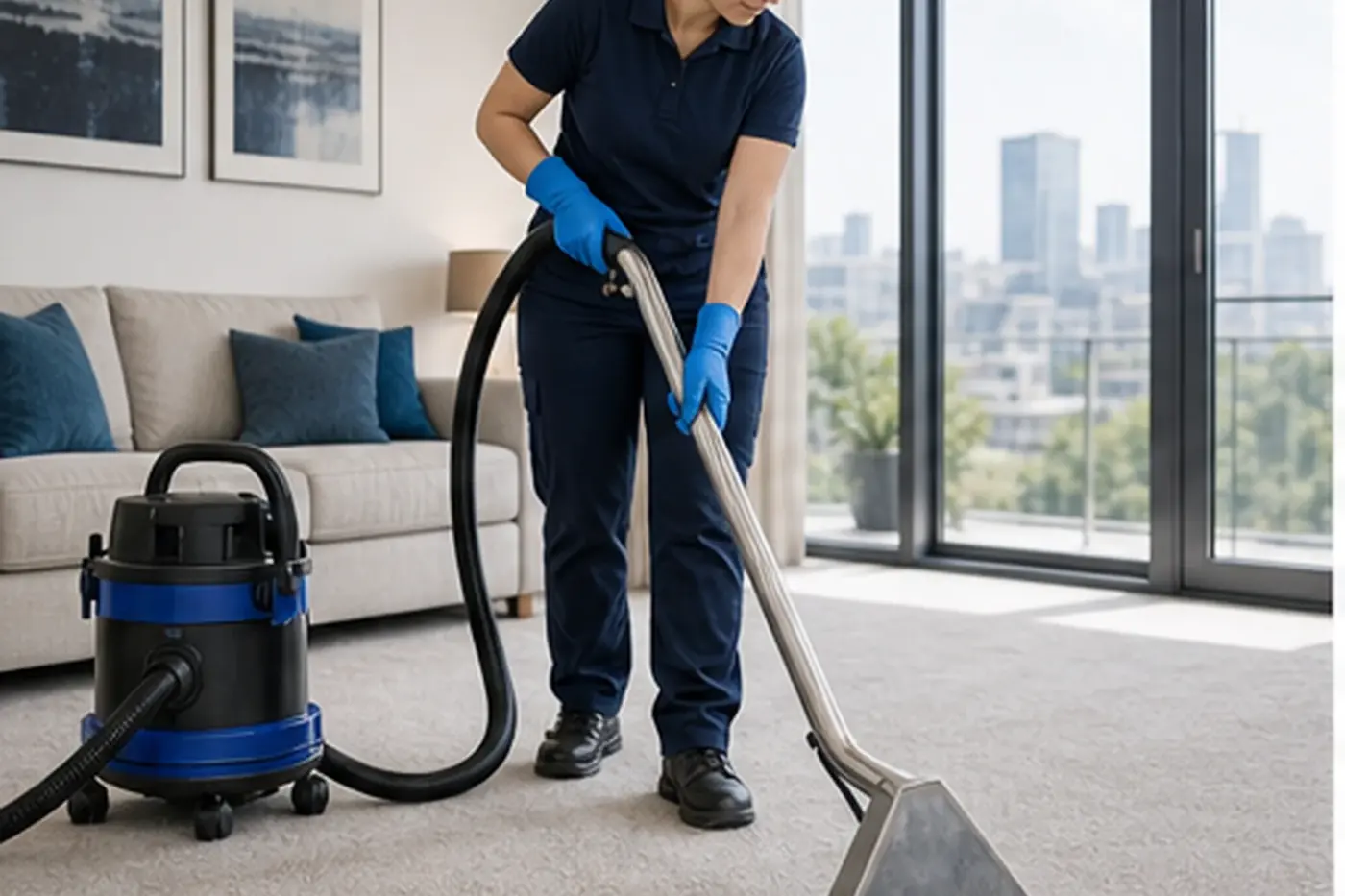
The carpet and upholstery service assesses suitability before the accepted treatment. Hot water extraction is available for appropriate materials, but backing, condition and previous treatment can affect the decision. An unknown carpet needs clarification, not an automatic assumption that the most familiar method will be suitable.
Connect each mark with its history
Give the likely cause, approximate age and products already applied. Show a close photograph alongside a room view, identifying whether the concern is one spot or a wider traffic area. An earlier treatment that changed the carpet’s appearance is relevant even if it did not remove the original mark.
Avoid adding more unfamiliar products before assessment. Permanent staining, colour loss, wear and fibre damage may remain. The aim is to agree suitable work with limitations understood, not to interpret every visible difference as soil that must disappear under a quoted treatment.
Treat rugs as their own material questions
List each rug by size, known material and condition. Describe backing, fringes or care information where relevant rather than assuming it belongs to the surrounding room price. A separate assessment may be required before its inclusion can be confirmed.
For upholstered furniture, request upholstery cleaning by named item and care-label information. Carpet and furniture can share a room without sharing the same cleaning scope. Keep those requests itemised so suitability and drying are considered for each accepted material.
| Material information | Why it matters |
|---|---|
| Supplier or care label | Supports identification of the covering |
| Previous treatment | Explains changes and possible limitations |
| Separate rug details | Avoids assuming a room-based method |
Explain what the team can reach
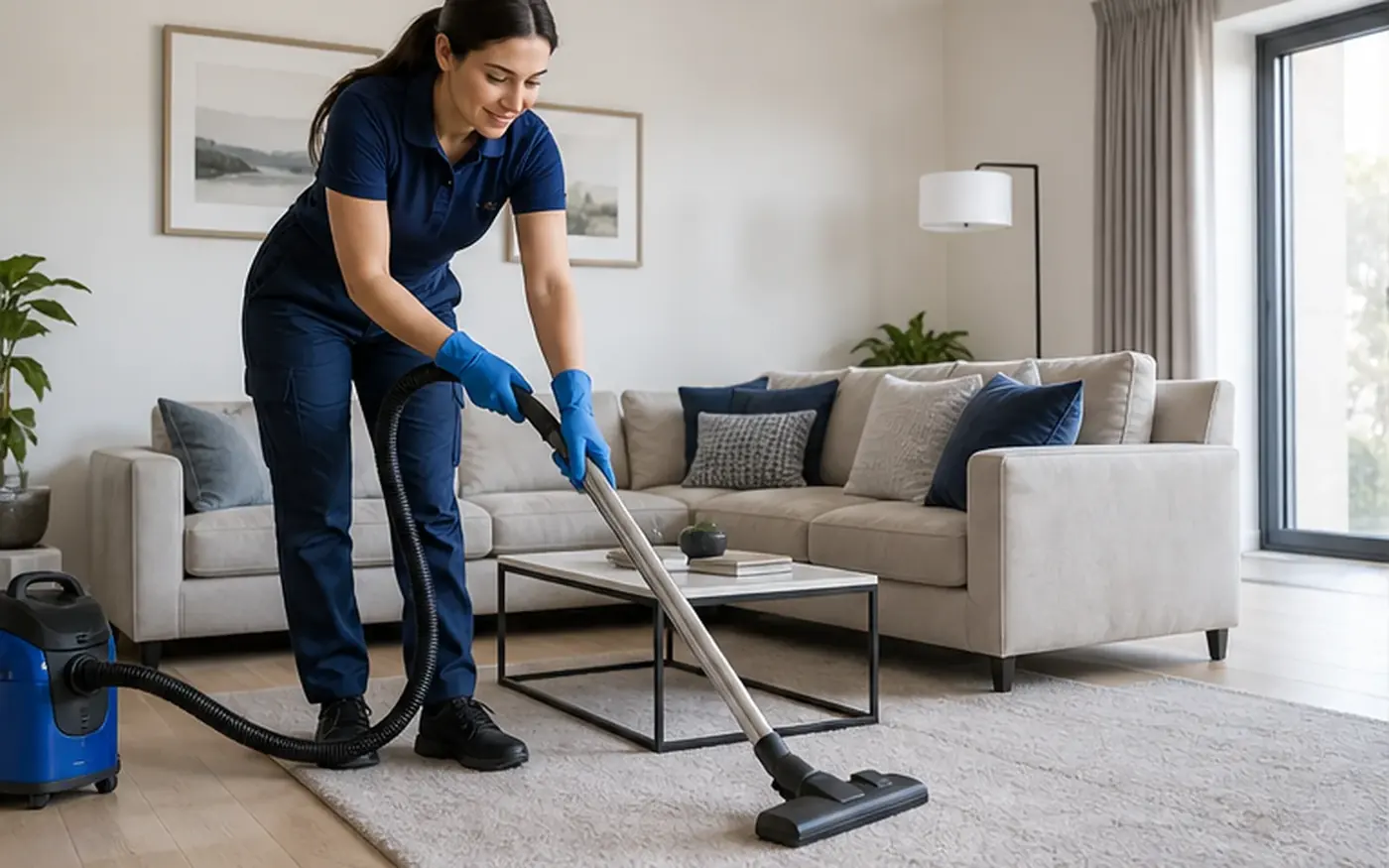
Identify exposed carpet in each room, stairs and landings, plus furniture that remains. Clear small possessions and loose cables from the route. Movement of heavy, delicate or assembled furniture should be discussed before acceptance rather than inferred from an intention to clean the whole room.
If a covered area becomes available later, photograph and report it before arrival. The condition beneath furniture may not match the exposed section initially shown. A clear update lets the team reassess the brief rather than discover an unpriced requirement after equipment is already inside.
Belgravia access: distinguish public and private arrangements
For a Westminster address, consult the council’s suspension and dispensation guidance if works or equipment access needs an authorised arrangement. Check the appropriate borough for the actual property instead of applying Westminster instructions to every Belgravia address.
Provide the lawful unloading option, stairs, entry system and any managing-agent restrictions. Private lift or entrance arrangements still need confirmation even if vehicle access is permitted. Check the complete postcode using our coverage guide and name a contact who can resolve entry questions.
Match drying to the next use of the rooms
Tell us when people, pets or furniture need to return, and explain any ventilation constraint. Drying guidance depends on the method, material and conditions, so a treatment finishing time is not a universal point when normal use is suitable.
For a wider deep clean or a tenancy handover, keep fabric treatment visible in the schedule. Share aftercare with the next keyholder and allow a practical review opportunity. Ask about necessary traffic through a treated passage rather than deciding readiness from appearance alone.
Read the quotation as a defined material brief
Consult the published pricing, then request the total for rooms, stairs, rugs, condition and accepted additions. Clarify applicable VAT, agreed access costs and treatment still subject to assessment. A starting figure is not a guarantee that every material or mark can be included.
At review, discuss remaining concerns by exact location and compare the accepted areas with the booking. Keep the care history and before photographs available so a question can be addressed accurately. If unnecessary furniture needs removal first, arrange accepted clearance separately rather than hiding it inside a fabric-cleaning request.
Practical answers
Questions about methods and materials
What if I have no label or supplier record?
Flag the material as unknown and share clear photographs. Suitability still needs assessment; guessing a fibre or backing is not a reliable substitute for information.
Should a rug receive the same treatment as the carpet?
Do not assume that. Give the rug’s dimensions, material and condition separately so inclusion and a suitable approach can be assessed.
Do earlier products matter if they were applied months ago?
Describe known treatments and any resulting change. The history helps the team judge realistic limitations and should not be omitted because the mark is old.
Can parking permission replace building access instructions?
No. Lawful vehicle access, entry systems and any private management requirements are separate arrangements that need confirmation.
Nearby areas
These nearby guides describe the same service in surrounding locations.
See our coverage guide and confirm your full postcode when enquiring.
Your next step
Ask the right questions before treatment.
Explain the materials, condition and access when speaking to End To End.