End To End · Brent
Carpet Cleaning Brent
A room count alone can hide the differences between a compact bedroom, a large living area and stairs. For Brent carpet cleaning, show the actual scale and layout, then discuss material suitability and access before asking for a complete quote.
- Describe dimensions and connecting areas
- List stairs and rugs separately
- Use condition and materials to guide assessment
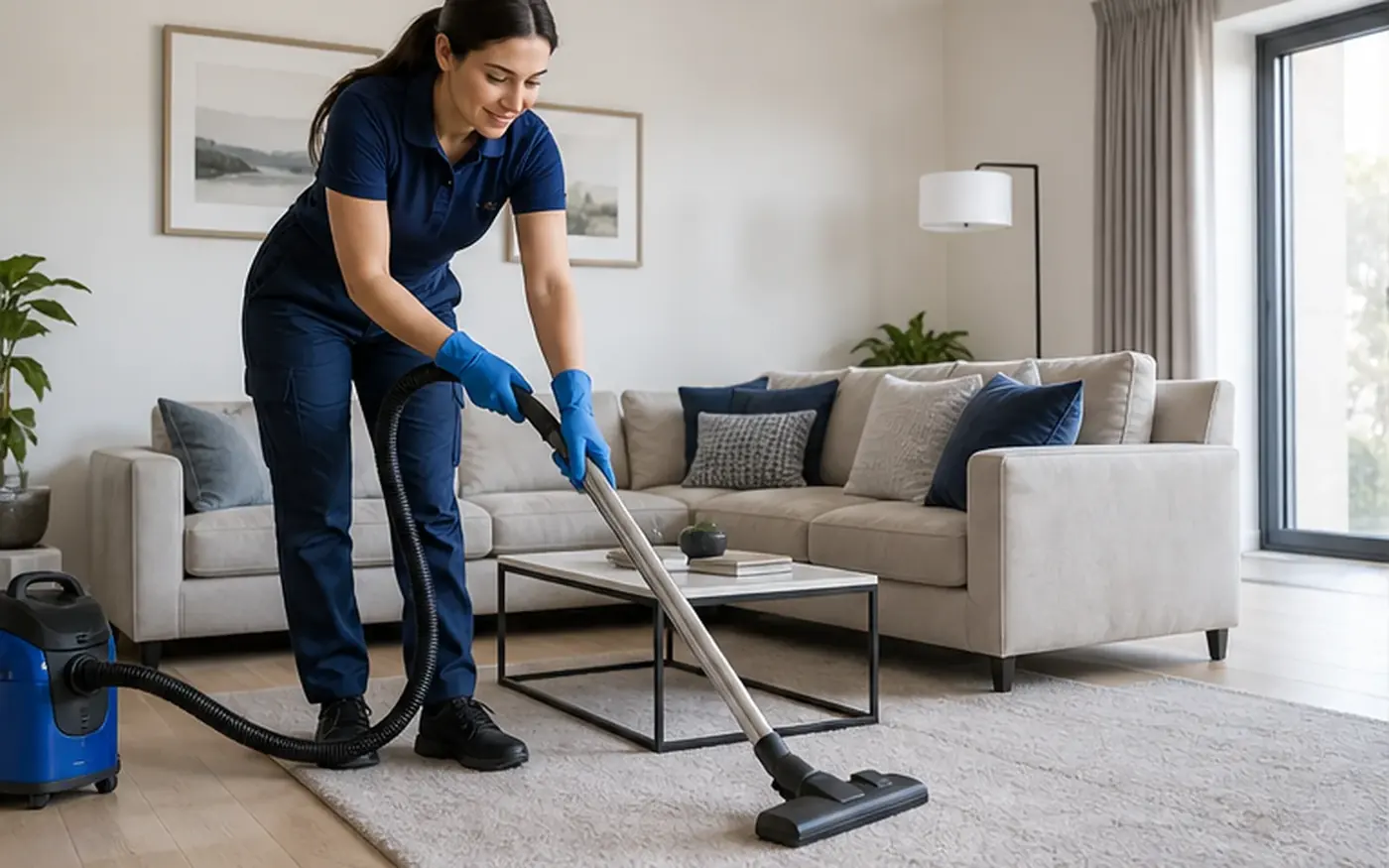
Show the layout behind the room name
Provide approximate room sizes or wider photographs that show the exposed carpet and furniture. Identify a hallway or adjoining space requested alongside the rooms. A general bedroom count does not explain the treatment area or the route equipment must follow.
The carpet-cleaning service assesses fibres, backing, condition and appropriate treatment. Hot water extraction is available for suitable materials, but neither a large area nor a small room establishes one universal method. Share care information or explain material uncertainty before selecting the work.
Treat stairs and landings as actual carpet areas
Describe the steps, adjoining landing and entry route rather than assuming they are part of the nearest room. Include their material information where available, especially if the covering differs from other areas. Explain any access restriction or household route that must remain in use.
Separate rugs need dimensions, material, backing and condition details. They should not be priced or treated automatically as a patch of the room around them. A clear area list gives the team a more useful brief than counting every space with carpet as an identical unit.
| Area type | What to describe |
|---|---|
| Large room | Scale, furnishing and exposed carpet |
| Stairs and landing | Material, steps and equipment route |
| Separate rug | Size, backing and condition |
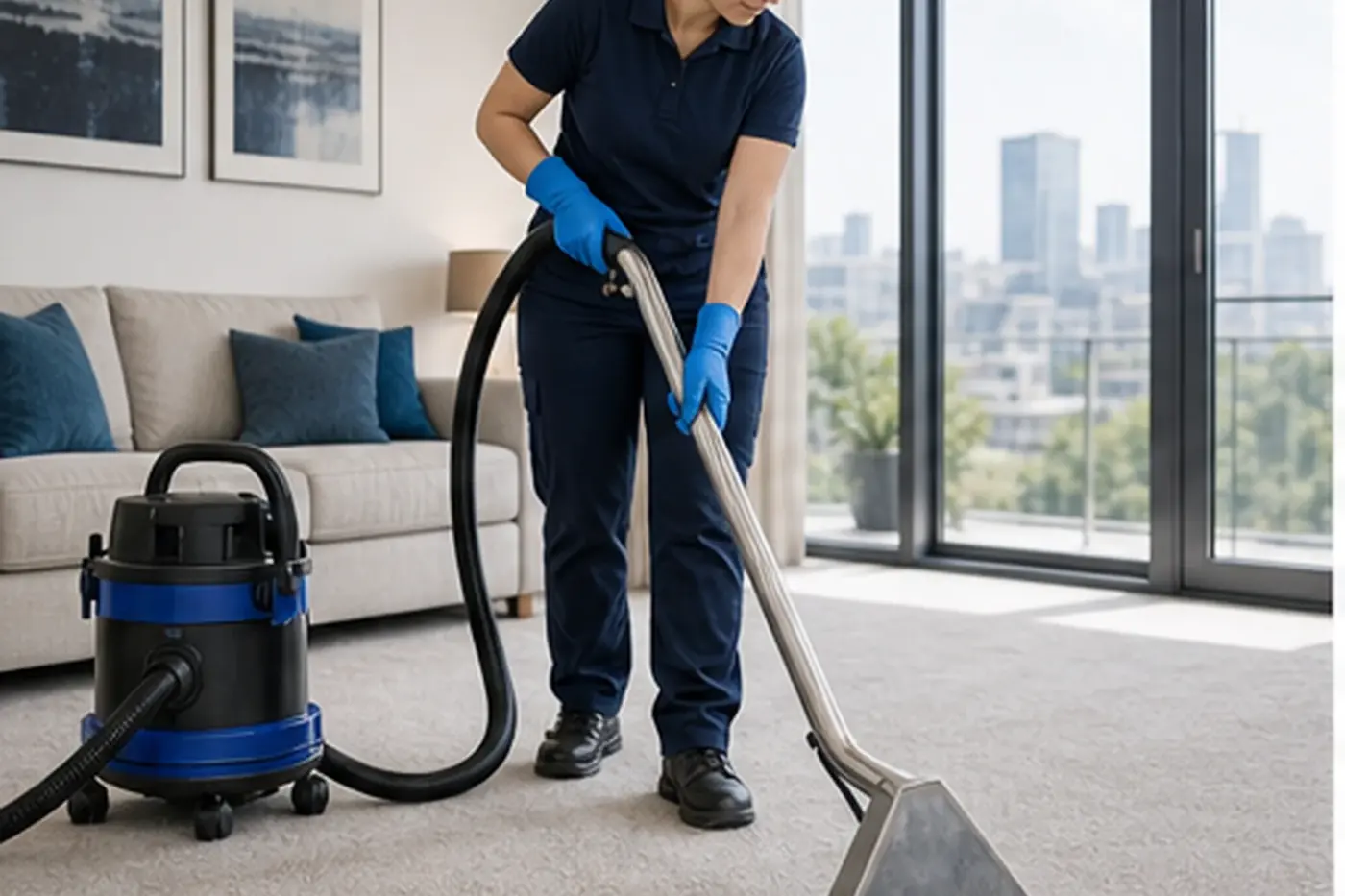
Add condition to the size information
Show traffic routes and significant marks with a close photograph plus a wider location view. State the cause and age where known, along with earlier products or treatments. An area’s dimensions do not establish whether it has straightforward soil or a particular stain needing assessment.
Permanent colour loss, fibre wear and damaged backing may remain after suitable cleaning. Record known damage and loose edges separately. Ask what is realistic for the actual mark rather than treating a larger room quote as a guarantee of unlimited stain removal.

Account for furniture and the available working space
Clear small possessions and loose cables, identifying furniture that remains in each area. Heavy movement and dismantling require discussion; a whole-room request should not imply treatment beneath every large item. If furniture will leave first, update photographs when the carpet becomes visible.
Explain keys, stairs, controlled doors, water and electricity arrangements. A clear floor still needs a workable equipment route. Keep the agreed spaces available on the day rather than moving belongings into another room that is also included in the accepted brief.
Brent vehicle access has a defined scope too
Brent Council’s suspension and dispensation guidance asks for location, timing and reason information. Check the arrangement applicable to your vehicle and street rather than assuming a resident’s permit or an earlier service visit authorises the same parking for cleaning.
State the lawful unloading option and distance to the entrance, with private building instructions confirmed separately. Check the full postcode through our coverage guide and name a contact who can resolve an entry problem without changing the accepted carpet scope informally.
Keep other treatments and drying visible
For sofas and chairs, request upholstery cleaning with care-label and component details. For household surfaces, compare deep cleaning; for a move, share tenancy requirements. These are separate tasks even when they occupy the same room.
Ask for use and drying guidance for the selected carpet method, fibre and conditions. Explain any inspection, furniture delivery or unavoidable passage. Do not equate the estimated finishing time with immediate readiness for normal use, and share aftercare with anyone entering later.
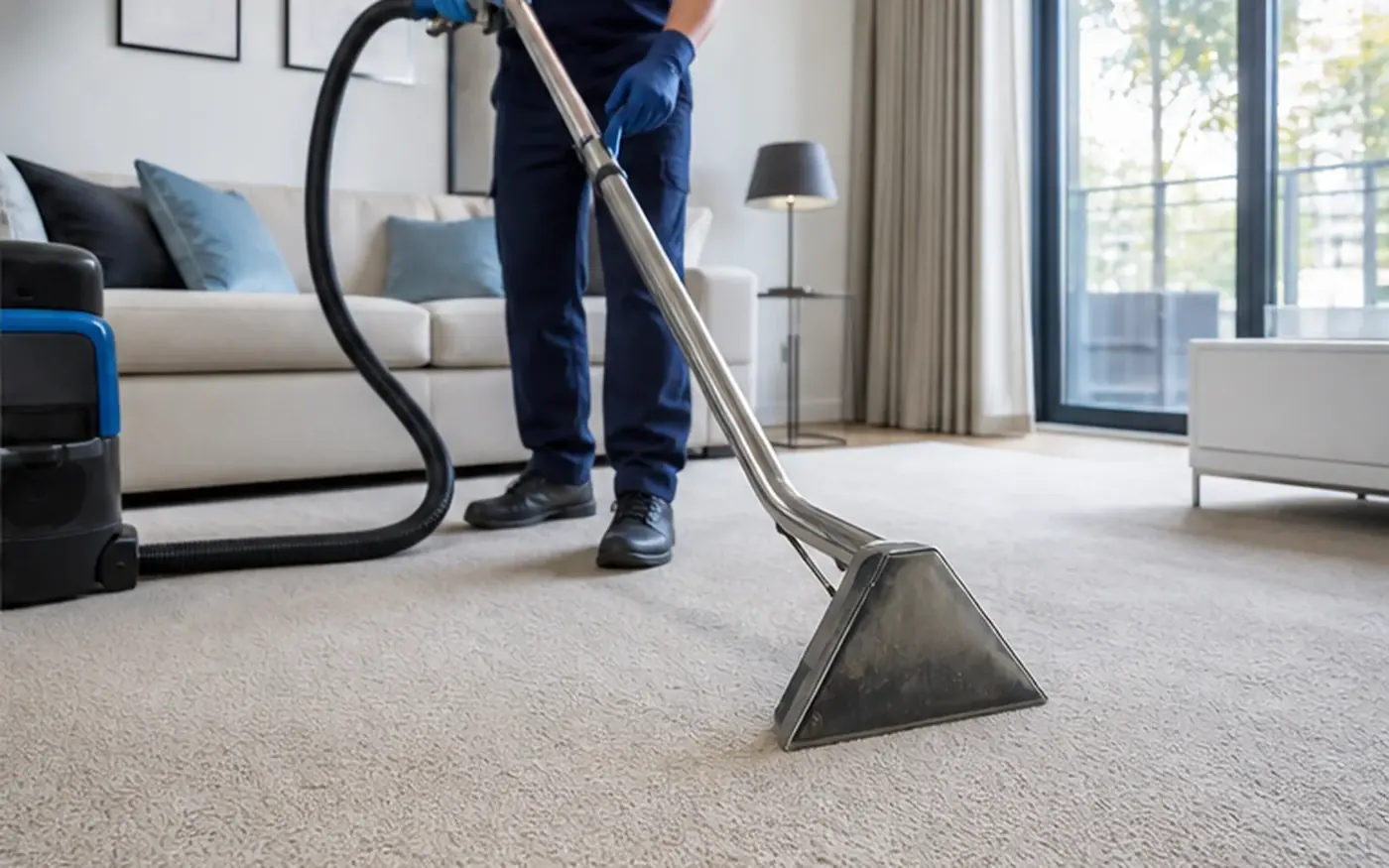
Request a total for the real accepted layout
Use the published price list as background and request a total reflecting actual areas, stairs, rugs, condition and accepted additions. Clarify applicable VAT and agreed access charges. The entry figure should not replace the material and access assessment that establishes the work.
At completion, review the named areas and ask about a specific mark by location. Keep the accepted list, current photographs and aftercare together for the responsible contact. If a layout changes afterwards, retain the original accessible-area record so later questions use the same reference.
Use consistent names for connected areas when communicating with the team and reviewer. A landing described as a hallway in another message can obscure whether it was requested, so identify its position and material rather than assuming the label alone conveys the intended scope.
Practical answers
Questions about methods and materials
Is a room count enough to price the carpet?
Add approximate scale, layout, condition and furnishing information. Rooms with the same label can present different accessible areas and treatment requirements.
Are stairs included with the nearest room?
List stairs and landings separately, with access and material details, so their inclusion is clear in the accepted quote.
Should rugs be measured independently?
Yes. Give size, material and condition as a separate request rather than assuming the room’s method and price apply.
Does a bigger quote accept every possible stain treatment?
No. Suitability and realistic limitations depend on the actual carpet and mark history, not simply the area or amount quoted.
Nearby areas
These nearby guides describe the same service in surrounding locations.
See our coverage guide and confirm your full postcode when enquiring.
Your next step
Ask the right questions before treatment.
Explain the materials, condition and access when speaking to End To End.