End To End · Brent
Mould Removal Brent
In Brent, the useful first decision may be who needs the report rather than which cleaning slot is free. Confirm the property address and housing contact, then describe the visible affected surfaces so suitable assessment can sit alongside the correct reporting process.
- Reporting route checked against the actual housing circumstances
- Observed extent described without diagnosing the source
- Agreed surface work recorded separately from repair action
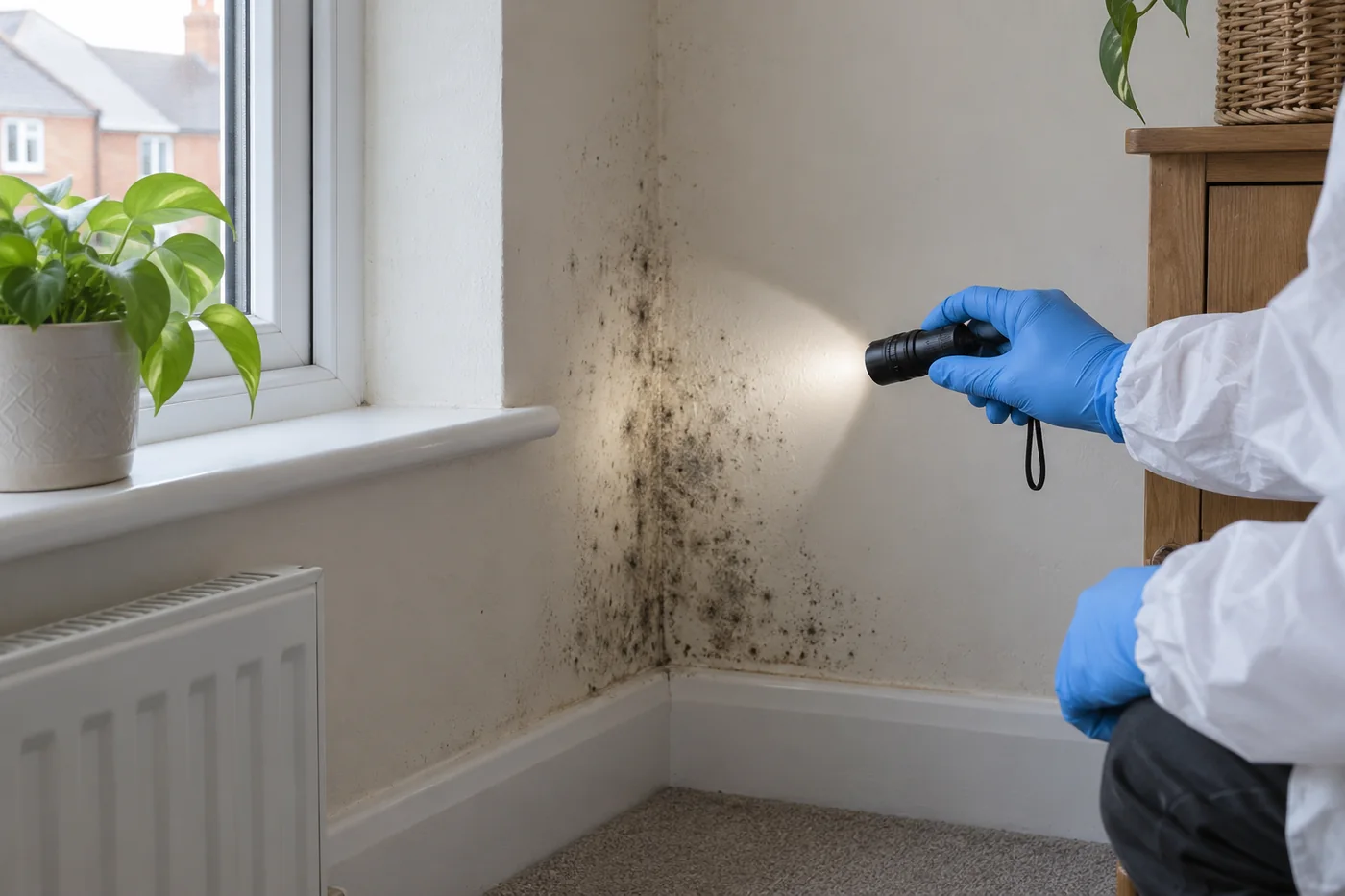
Identify the person responsible for the property
A council tenant, private tenant, housing association resident and owner may need different contacts when moisture or mould appears. Brent Council’s damp and mould information sets out reporting routes according to the housing circumstances. Check the full address and your own arrangement rather than assuming every resident should use the same repairs form.
The mould removal service is a commercial cleaning enquiry, separate from those housing routes. We can discuss assessment of suitable accessible surface work. We do not act as the council, decide a landlord’s responsibilities or replace the investigation needed where the moisture source has not been established.
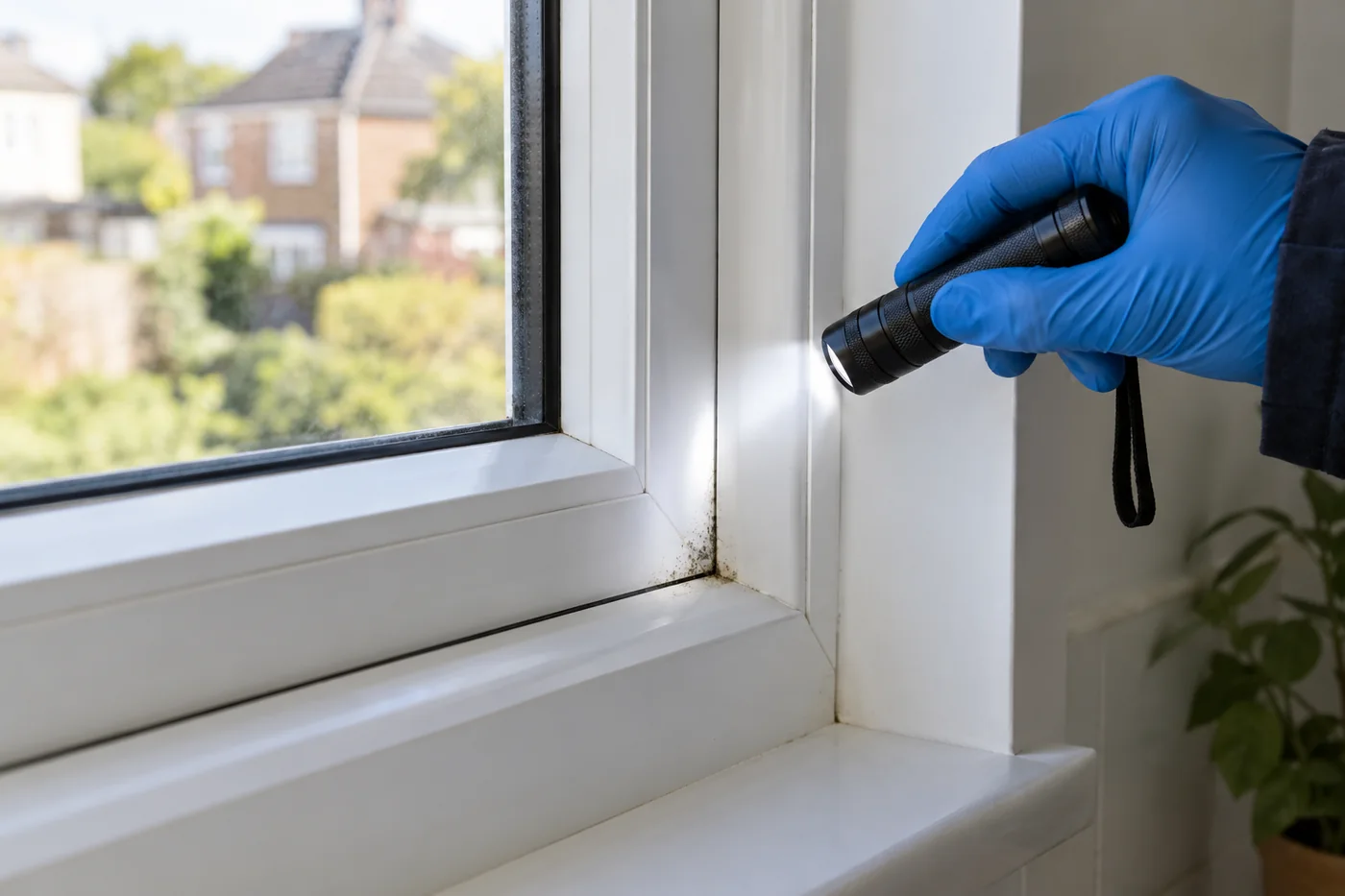
Prepare observations that another person can use
Record where the affected area is and roughly how far it extends. Identify the visible material and any obvious deterioration, such as peeling decoration or damaged sealant. Include a wider photograph with close details when practical, without disturbing surfaces or opening fittings to improve the picture. Mention when you first noticed the condition and whether it has changed.
Keep observations separate from explanations. A mark near a window does not by itself prove its cause, and a previous cleaning attempt does not demonstrate that the source was repaired. Clear descriptions allow the relevant housing or repair contact and the cleaning assessor to understand the same facts without inheriting an unverified diagnosis.
Distinguish an enquiry from an accepted treatment plan
Photographs and a short description help establish what further information is needed. They are not a promise that the entire affected area can be treated, nor a fixed method chosen before materials and access are considered. If more investigation is required, that should be identified before a suitable cleaning task is agreed.
For any accepted work, ask which surfaces are included and how inaccessible or unsuitable areas will be recorded. The assessed extent matters more than a room label. A bathroom can contain tile faces, porous joints, flexible seals and painted areas, each with different condition and care requirements; one general instruction should not imply unlimited treatment across all of them.
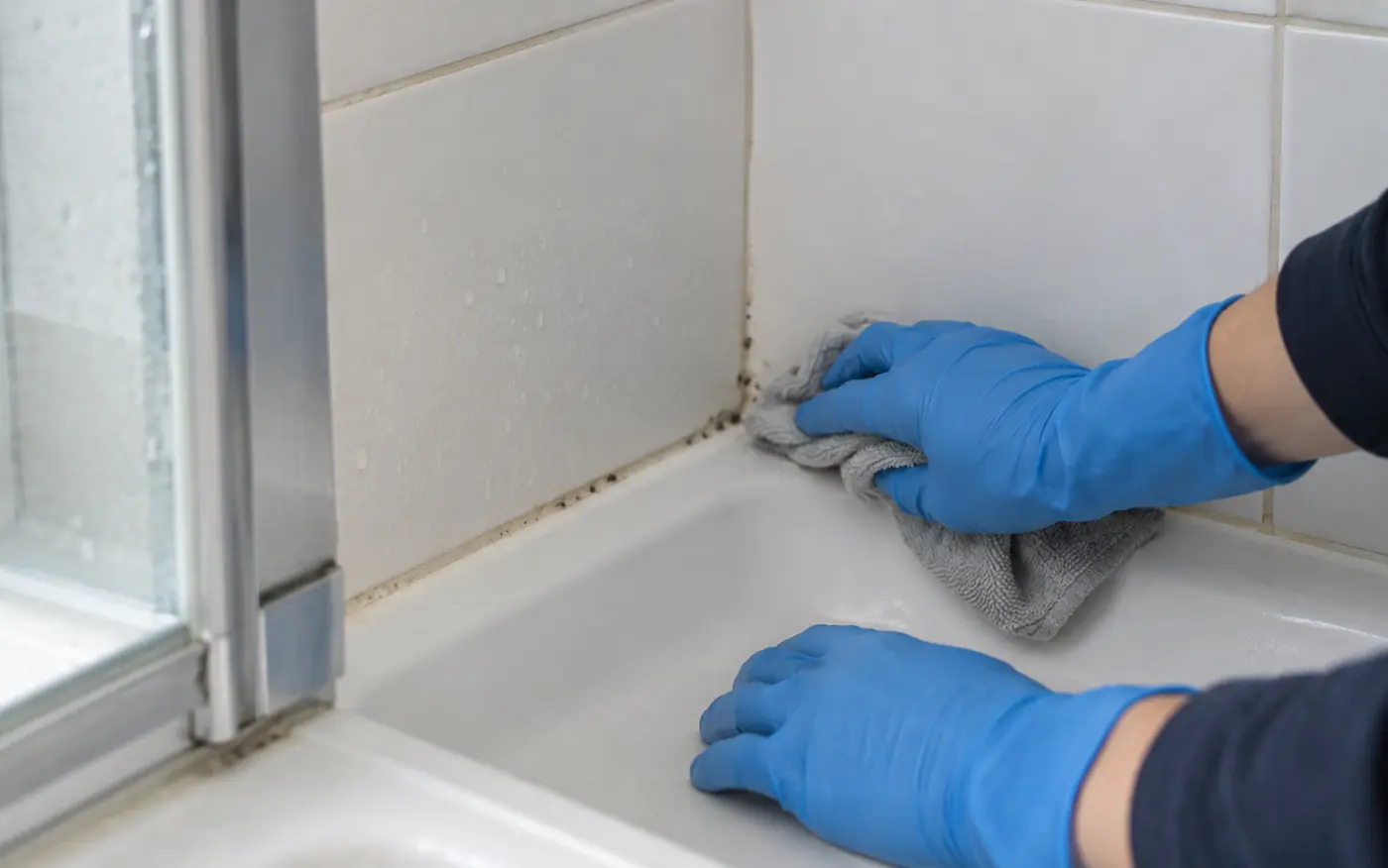
Link visible work to the moisture concern
Government guidance on damp and mould explains the need to address underlying moisture alongside visible growth. An improved surface appearance cannot confirm that a leak, ventilation fault or other building problem has been resolved. Use the appropriate professional or housing contact for that assessment.
Pass on any relevant inspection findings or planned repair dates accurately. If you only suspect a cause, say so. Cleaning should not become an undocumented substitute for the work needed elsewhere, and the enquiry should avoid blaming occupants or making medical conclusions from the appearance of a room.
Decide whether other cleaning belongs in the booking
An affected patch is not the same brief as cleaning every surface in the home. You can discuss one off cleaning for other agreed tasks, identifying rooms and access separately. For suitable glazing, interior window cleaning can be discussed without implying that it repairs frames, seals or water ingress.
If the property is being handed over, review tenancy cleaning and state the mould concern explicitly. Ordinary cleaning, treatment suitability and building repairs need distinguishable boundaries. Tell us about other contractors so the order of visits can be considered before cleaning surfaces that may subsequently be disturbed.
Ask the right questions about cost and preparation
The proposed price needs an identifiable task: affected extent, suitable materials, accessible positions and any assessment requirements. Ask what happens if the actual condition changes the scope. Confirm who accepts the quotation and who can make a decision during the appointment, particularly where a resident is not the commissioning person.
Protective equipment and work arrangements should follow the assessed risks rather than a universal checklist from the internet. Explain occupancy, restricted entry and nearby belongings before the visit. Do not mix products, sand affected decoration or dismantle components as informal preparation for a professional assessment.
Keep the next action visible after the visit
Retain the agreed scope and the description of completed work. Note anything that was unsuitable, inaccessible or referred for another decision. Remaining discolouration may need assessment of the material itself; a service record cannot establish the condition of concealed construction or guarantee that growth will never return.
For Brent enquiries, confirm availability using the full postcode and coverage details. A concise follow-up can then distinguish the cleaning completed from the moisture report still being handled. That clarity is useful to residents and property contacts alike, without turning a surface-cleaning appointment into an unsupported repair claim.
Practical answers
Questions about methods and materials
Should every Brent resident report to the same council team?
No. Check the official route for the address and housing circumstances, including private, council or housing association arrangements.
Can photographs identify the moisture source?
They support an enquiry but cannot reliably establish the cause or concealed condition. Appropriate investigation may be needed.
Is a room-wide treatment automatically included?
The accepted scope should name the suitable accessible surfaces. Different materials and restricted positions can require separate decisions.
What should I retain after treatment?
Keep the agreed task, completed-work description and any limitations with your moisture reports or repair correspondence.
Nearby areas
These nearby guides describe the same service in surrounding locations.
See our coverage guide and confirm your full postcode when enquiring.
Your next step
Ask the right questions before treatment.
Explain the materials, condition and access when speaking to End To End.