End To End · Abbey Wood
Mould Removal Abbey Wood
If a visible mould concern is part of an Abbey Wood handover, give it a separate assessment request. Record what can be seen and who has been informed, while keeping ordinary checkout cleaning distinct from moisture investigation and repairs.
- Visible condition described accurately
- Assessment kept separate from checkout decisions
- Access and timing discussed realistically
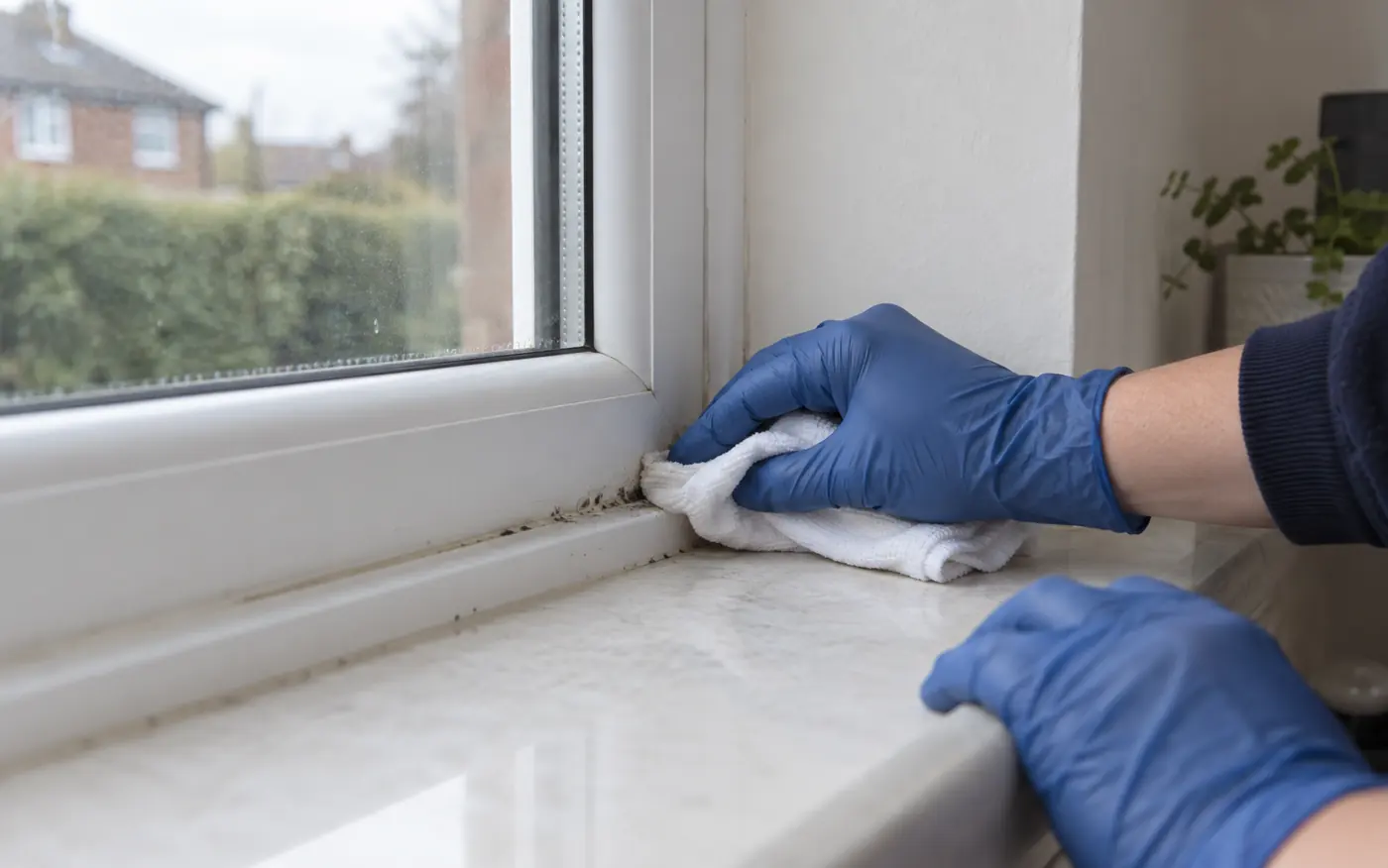
Make a clear report rather than an assumption
Describe where the visible concern is and how much surface appears affected. Include photographs showing the room and the material, with approximate dimensions. Tell the person responsible for the property and explain what you know about earlier marks, known water issues or previous treatment. Do not infer a cause solely from the colour or position of a patch.
When contacting mould removal, share the checkout date but make the current condition the basis of the enquiry. A deadline cannot establish treatment suitability. Another assessment may be needed before a cleaning visit is accepted, especially where extent, material deterioration or hidden conditions remain unclear.
Keep the property checklist separate
A handover can also require cleaning ordinary dirt and residue in kitchens, bathrooms and other rooms. Use the tenancy cleaning scope to describe those accessible tasks independently. Suspected mould is not an unspecified extra within an ordinary bathroom wipe, and accepting general cleaning does not confirm a suitable mould treatment.
Keep existing inventory and condition records intact. The cleaner should not be asked to decide responsibility for damp, settle a tenancy disagreement or promise an inspection outcome. A useful accepted brief concerns specified surfaces and limitations, with repair work and any deposit decision left separate from the cleaning commission.
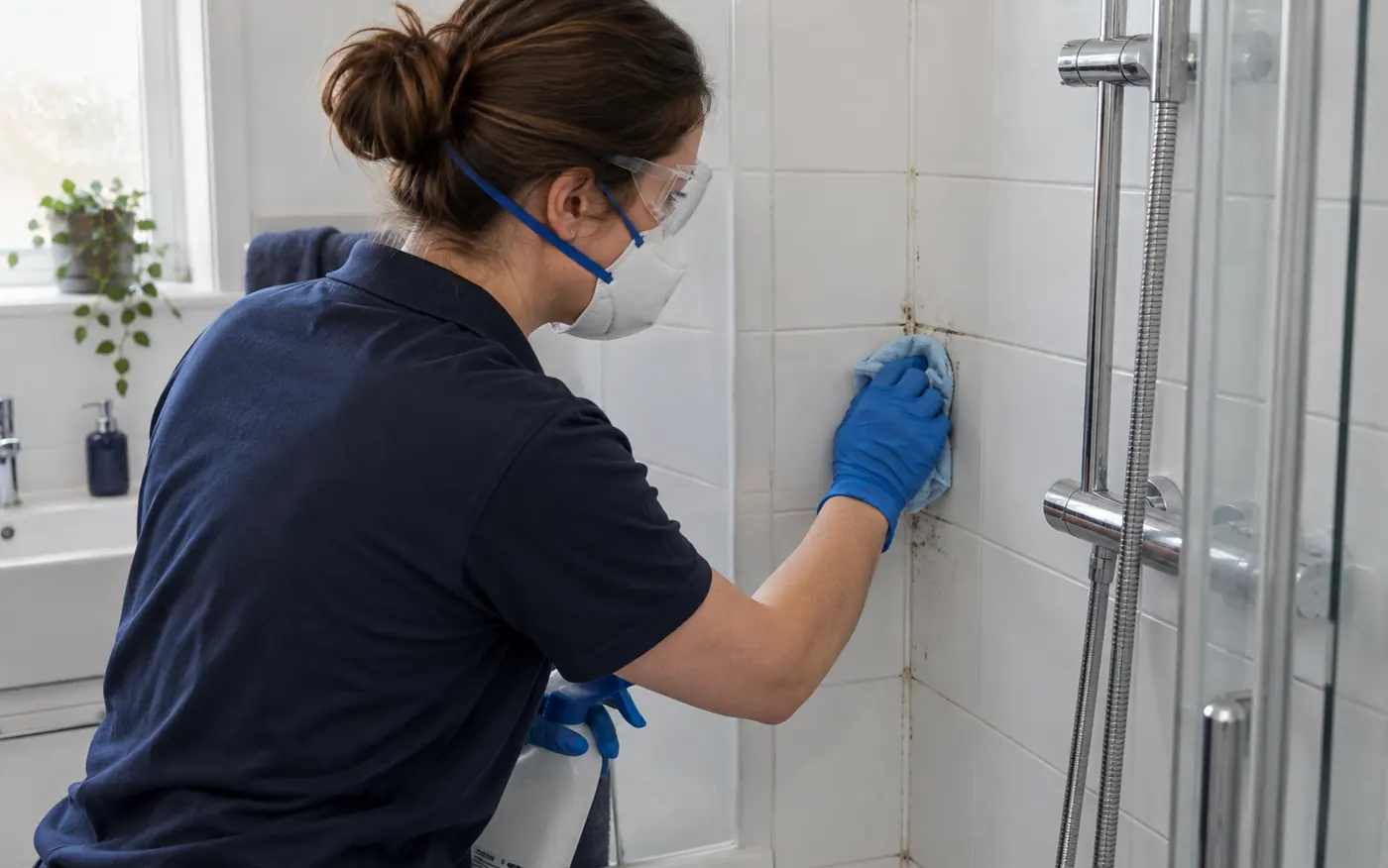
Show the material and its condition
Identify painted plaster, tile, silicone, timber or another surface where known. Describe visible peeling, failed joints or deterioration without disturbing the material. A dark mark on an intact accessible finish may present a different enquiry from damaged porous material. Photographs should show enough context to understand the surface, not just its most marked point.
Do not assume that treating the visible face assesses the cavity behind it. Nor does cleaning replace damaged seals or rebuild a deteriorated finish. Ask which surfaces may be accepted and what might remain afterwards. The aim is an accurate treatment scope, not a promise to make every material appear new before inspection.
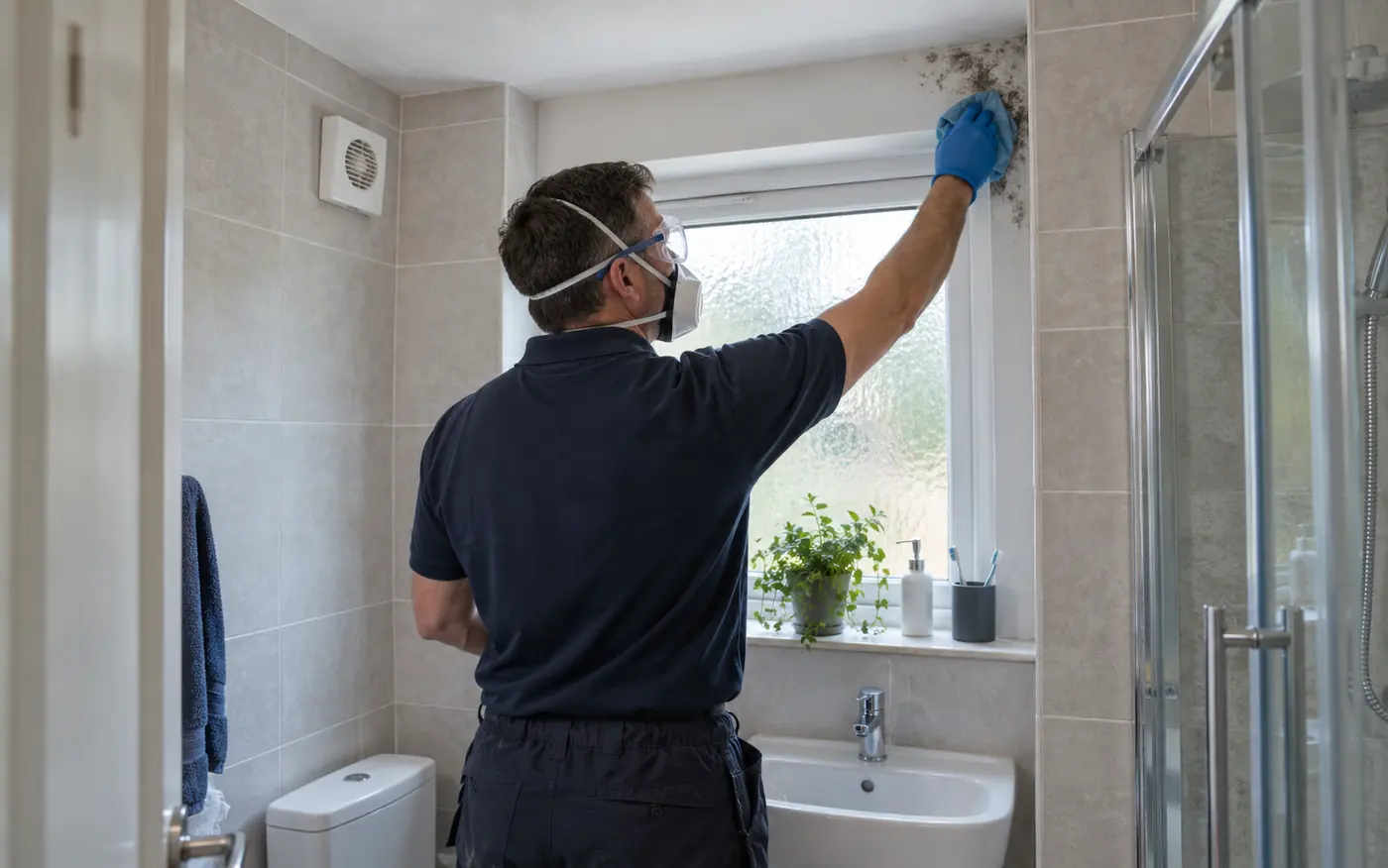
Coordinate the people who hold information and access
Give the team a contact who can explain previous work and approve practical changes. If another person holds keys, confirm their availability and the actual entry route. Say whether the room must remain in use or other contractors are booked. A cleaning slot should not depend on an assumption that everyone will be available at the last moment.
The government’s damp and mould guidance supports addressing the moisture issue as well as visible growth. Explain any investigation already arranged and keep that workstream distinct. A cleaner’s confirmation is not a building survey or certification that a leak or other defect has been resolved.
Follow assessed preparation rather than trying to conceal the mark
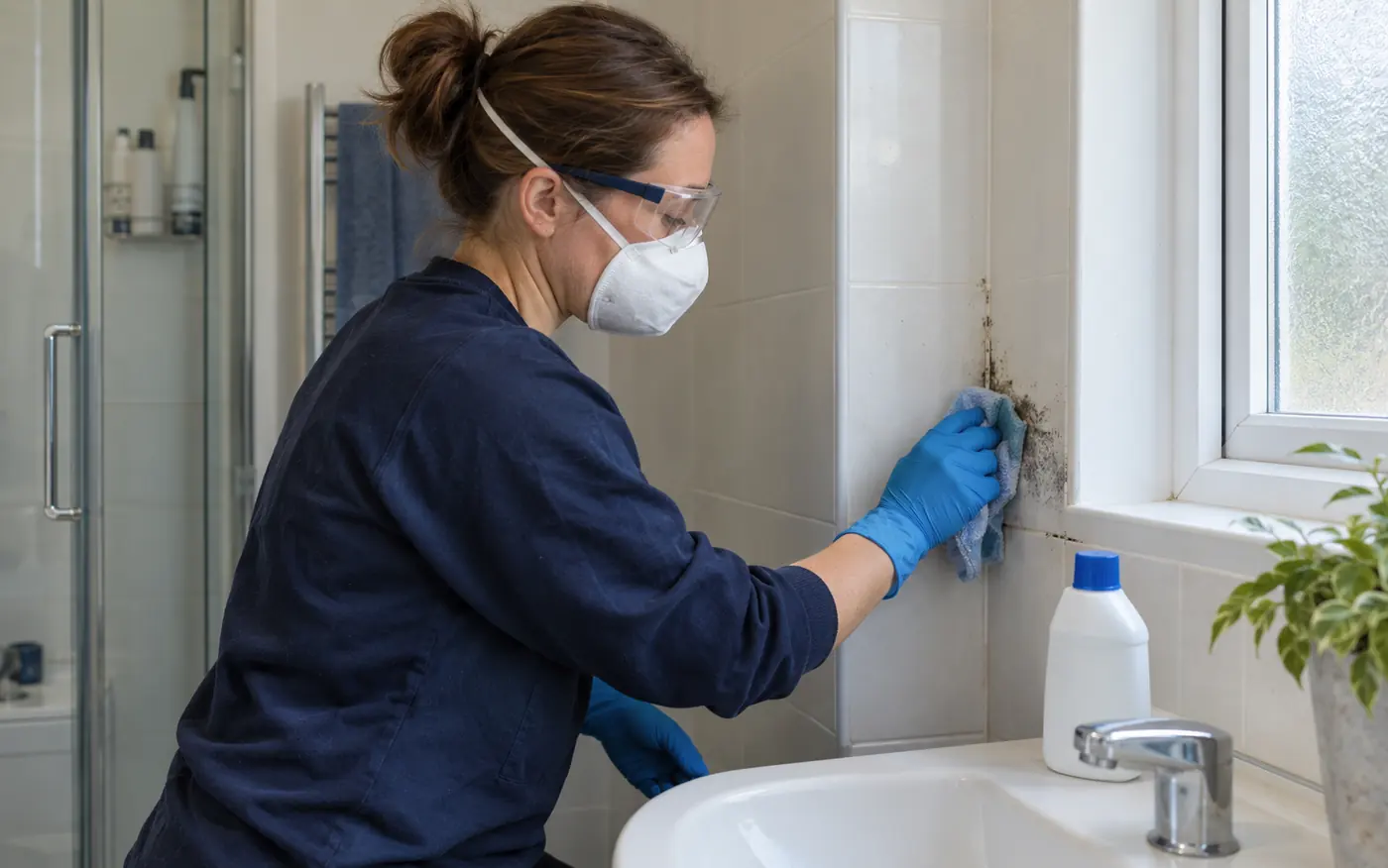
Report products and earlier methods used. Do not mix chemicals, sand or paint over the area to prepare for checkout. Wait for instructions about keeping people, pets and belongings clear. The contractor should determine suitable methods, controls and any required PPE for the condition, rather than adopt a universal household recipe.
Unrelated residue on unaffected surfaces can be discussed through bathroom deep cleaning or deep cleaning. Identify the relevant tasks separately so those services are not misrepresented as repairs, moisture diagnosis or a hidden-mould inspection.
Quote the assessed work with its limitations
Mould removal starts from £120 on the published list. The actual extent, affected materials, condition and access determine whether work can be accepted and how it is quoted. Request the full written total, applicable VAT, exclusions and agreed access charges. A starting amount does not accept every affected surface in an Abbey Wood property.
If circumstances change before the visit, explain them early. Further growth, new water damage or another affected material may require revised assessment. Cleaning may leave staining or deterioration and cannot guarantee that growth will not recur. It should not be represented as a medical judgement, a deposit guarantee or evidence that every hidden layer is unaffected.
Abbey Wood access follows the exact address
For Royal Greenwich addresses, the council’s parking-zone directory lists Abbey Wood and Abbey Wood Outer separately. Confirm the relevant street arrangements, and use the appropriate authority where an address falls elsewhere. Do not assume the locality name supplies one vehicle permission for every visit.
Give working entry instructions and retain the accepted treatment record alongside separate property referrals. Report a changed location with its own photographs rather than extending conclusions from another treated surface. The coverage guide helps with nearby options, while each enquiry still requires availability and suitability confirmed for the actual property.
Practical answers
Checkout planning questions
Can an ordinary bathroom clean cover suspected mould?
Do not assume that scope. Identify the concern separately and provide material and extent details so suitable treatment can be assessed.
Do you decide who caused the condition?
No responsibility or tenancy judgement is implied. Explain observations and known history while arranging any appropriate separate moisture investigation.
Should I repaint before the inspection?
Do not repaint or disturb the material as preparation for an assessment. Report what has already been applied and follow the accepted instructions.
Is recurrence ruled out after a visit?
No. Ongoing moisture and deteriorated materials can affect recurrence. Visible treatment does not provide permanent prevention or hidden-mould certification.
Nearby areas
Planning visits at more than one address? Check the page for each property.
See our coverage guide and confirm your full postcode when enquiring.
Your next step
Leave time for the final review.
Discuss the handover deadline and the accepted work before confirming your appointment.