End To End · Bellingham
Deep Cleaning Bellingham
A deep clean cannot treat a cupboard shelf or worktop as clear while belongings still cover it. For Bellingham, decide which storage and surfaces will be available, then build the room brief around actual access and accumulated residue rather than an organising request.
- Identify storage interiors individually
- Clear the accepted surfaces before arrival
- Keep organising and disposal separate
Decide what can genuinely be prepared
Walk through the rooms and list surfaces you can clear by the appointment. Explain where furniture and possessions will remain, with current photographs of heavier build-up. The useful starting point is the condition and access the team will find, not the intention to make everything available later.
Our deep-cleaning service assesses suitable accessible tasks. It does not automatically include sorting belongings, deciding what to discard or moving every object repeatedly. Name the cleaning priorities so attention can be focused on residue and detail within a practical accepted boundary.
Give kitchen storage a separate entry
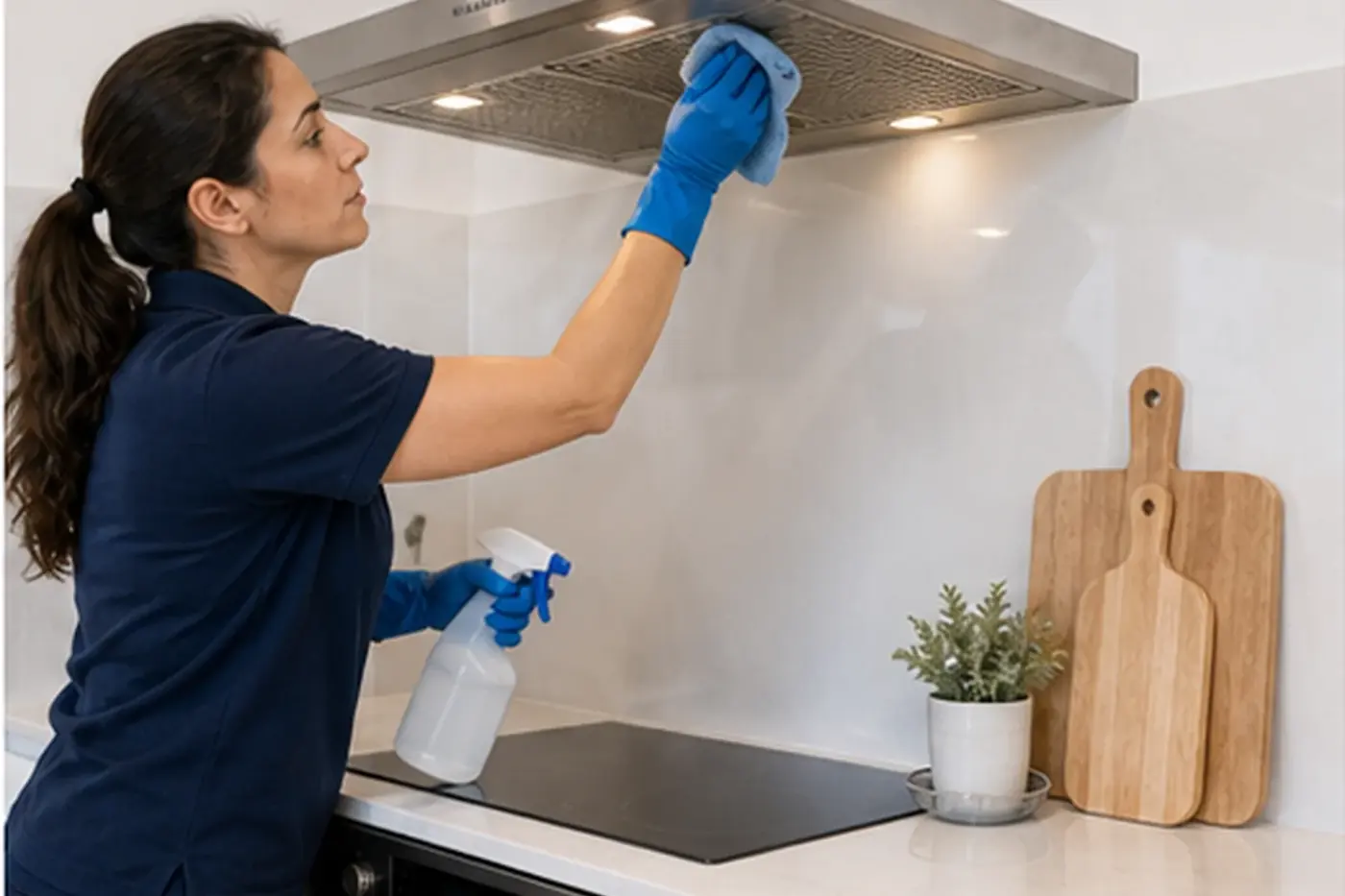
Identify cupboard fronts, handles and accessible kitchen surfaces, then list interiors requested. State whether shelves and drawers will be empty and share care information for the finish. Cleaning inside a cupboard holding food or possessions is not the same scope as treating its cleared surface.
Describe greasy worktops, splashbacks and hob areas with close views where helpful. Record swelling, damaged edging or worn coatings separately. Detailed oven cleaning needs appliance type, condition and components; it should not be inferred from an agreement to deep clean the kitchen.
| Storage request | Preparation requirement |
|---|---|
| Cupboard fronts | Accessible surfaces and finish |
| Shelf interiors | Empty accepted storage |
| Blocked room route | Belongings cleared before arrival |
Prepare bathroom detail without hiding material issues
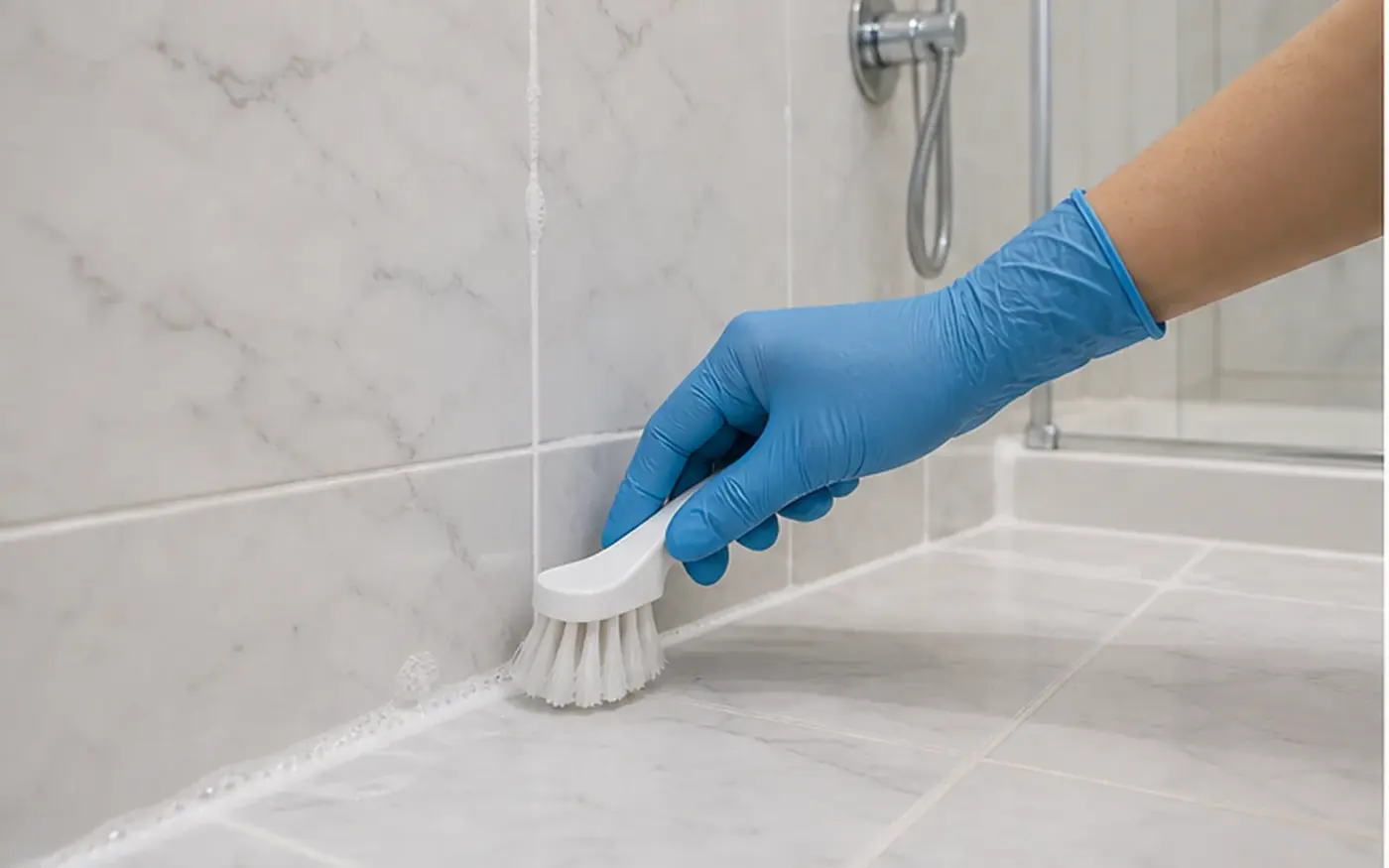
Remove toiletries from accepted areas and identify sanitaryware, taps, screen, bath or shower and reachable tiles. Describe soap residue and deposits alongside any existing etching, failed grout or damaged sealant. Material deterioration can remain after suitable cleaning.
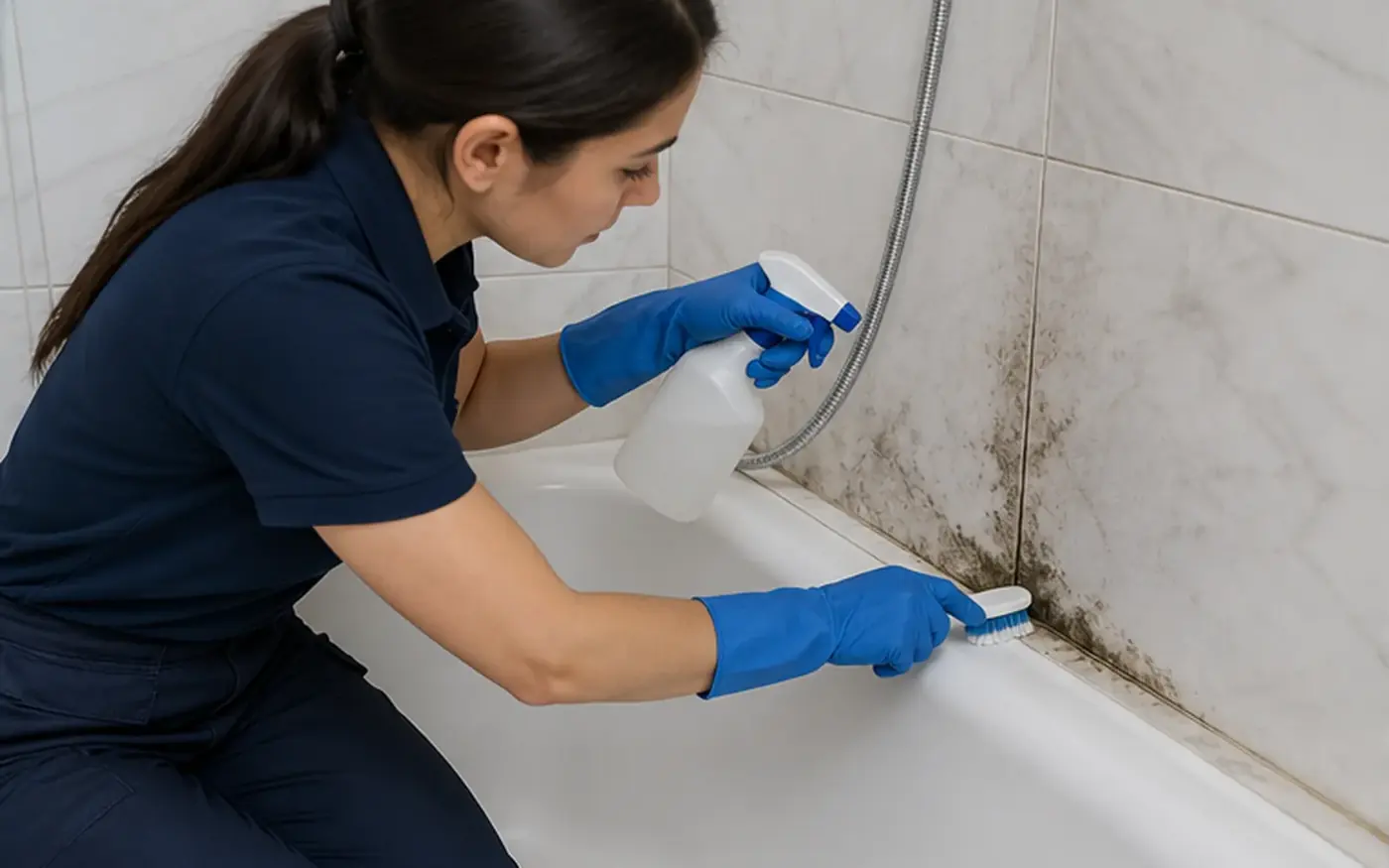
If suspected mould is a concern, request an assessed mould enquiry with extent and moisture history where known. Do not merge it into ordinary bathroom residue or expect a general clean to diagnose a leak. The accepted scope should keep those different conditions clear.
Bellingham collection arrangements should precede cleaning
If unwanted household items prevent access, consult Lewisham Council’s bulky-item guidance before relying on collection. It distinguishes household waste and says crews do not collect from inside or carry items outside. Confirm current acceptance and placement instructions directly.
For separately accepted clearance, describe items and access accurately. Moving belongings out of a cupboard into a shared passage does not solve preparation. Keep the route safe and update photographs if clearance reveals a materially different amount of residue.
Set reachable details elsewhere in the property
Specify ledges, doors, switches, skirting and suitable exposed floors where focused attention is required. Explain high fittings or areas blocked by heavy furniture rather than assuming room inclusion establishes a safe approach. Clearing small possessions should not obstruct another accepted area.
For carpet or upholstery treatment, give material and area or item information separately. Routine vacuuming differs from extraction, and drying can affect normal use. Keep specialist work itemised rather than treating every surface or furnishing in an included room as automatically accepted.
Confirm readiness and a decision-maker
Keep water, electricity and lighting available, with working keys and entry instructions. Explain stairs, pets, alarms and private building restrictions. Choose a contact who knows the priorities and materials, able to answer questions if the condition differs from photographs.
If the purpose is checkout, share tenancy requirements so the service fits the handover. Confirm the full postcode through our coverage guide. Update the team before arrival if agreed storage cannot be emptied or a collection delay changes access.
Quote and review against prepared areas
Read the published prices and request the total for condition, accessible rooms, accepted tasks and additions. Clarify applicable VAT and agreed access charges. A starting figure should not be read as unlimited organising, hidden-area work or treatment of every specialist concern.
At completion, compare the named surfaces with the accepted list and discuss a specific concern by location. Keep damage separate from removable residue, sharing the current scope with the reviewer. Preparation and a clear record make the cleaning work easier to assess without promising a newly restored appearance for every old finish.
Assign someone to check the preparation before the appointment if several people use the storage. That person can confirm that included interiors are empty and the contents have not simply moved into another accepted work area or the route needed for equipment.
Practical answers
Questions about deep cleaning
Does deep cleaning include organising cupboards?
No organising or disposal decision is implied. Identify accepted interiors and empty them so the actual surfaces can be reached.
Can possessions be moved into another included room?
Explain the full layout. Moving an obstruction may simply make another accepted area inaccessible, so preparation should keep the agreed route and surfaces available.
What if household collection cannot remove an item?
Tell the team and arrange another accepted route where appropriate. Cleaning should not depend on an unconfirmed collection or absorb disposal automatically.
Should I flag damaged shelves before cleaning?
Yes. Record swelling, chips and worn finishes separately so suitable residue removal is not confused with repair.
Nearby areas
For another property nearby, choose the location where the work is needed.
See our coverage guide and confirm your full postcode when enquiring.
Your next step
Agree the work before the visit.
Share the surfaces or items needing attention so the booking can be assessed properly.