End To End · Bellingham
Deposit Return Cleaning Bellingham
A Bellingham handover is easier to organise when cleaning starts with clear rooms and clear disposal decisions. Identify what will stay, what must leave and which surfaces can be presented for the accepted cleaning work.
- Belongings and cleaning responsibilities distinguished
- Rooms made ready before the visit
- Specialist work and review arranged realistically
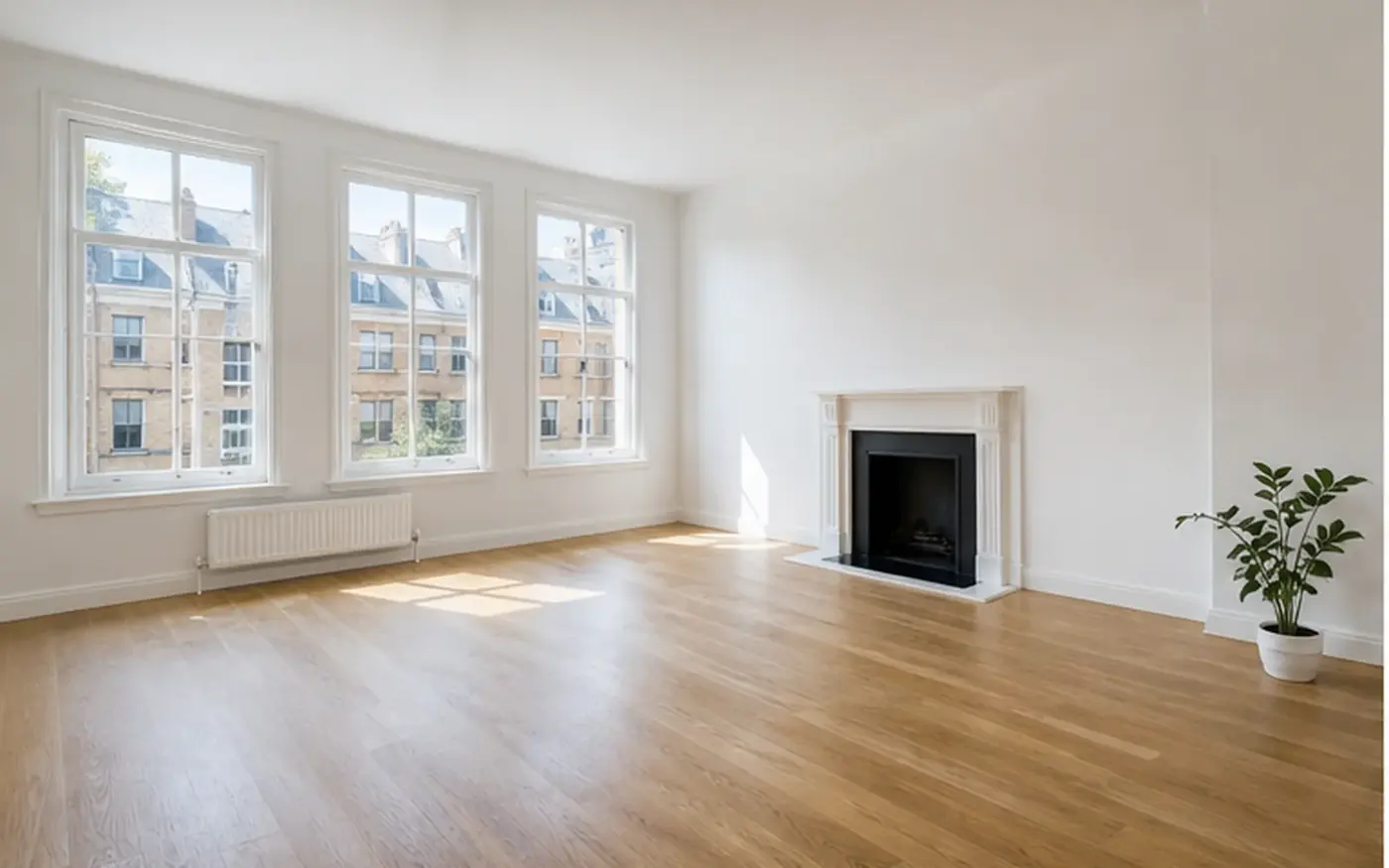
Resolve what belongs in the property before cleaning
Check the rooms and storage for belongings that still need collecting. Establish who owns remaining items and who can authorise their removal. An instruction to clean for checkout does not give the team permission to dispose of possessions or decide whether a piece of furniture should stay. Resolve those questions before the rooms are presented for work.
The deposit return cleaning service addresses suitable accepted dirt and residue. It does not settle ownership, missing-item concerns or deposit deductions. Keep the inventory available and identify cleaning requests separately from clearance, repairs and other matters that cannot be determined by a cleaner’s appointment.
Arrange clearance as its own accepted service
If unwanted items block the agreed areas, discuss rubbish clearance separately. Name the objects, access route and authority to dispose of them, then confirm what is accepted and how it is priced. Do not leave a collection job hidden within a request to clean the bedroom or hallway.
Allow that movement to finish before final cleaning wherever practical. Furniture and boxes passing through a room afterwards can disturb exposed floors and surfaces. If the sequence cannot be separated, explain the restriction before the quote is accepted rather than assume the same cleaning result can be reviewed around ongoing clearance traffic.
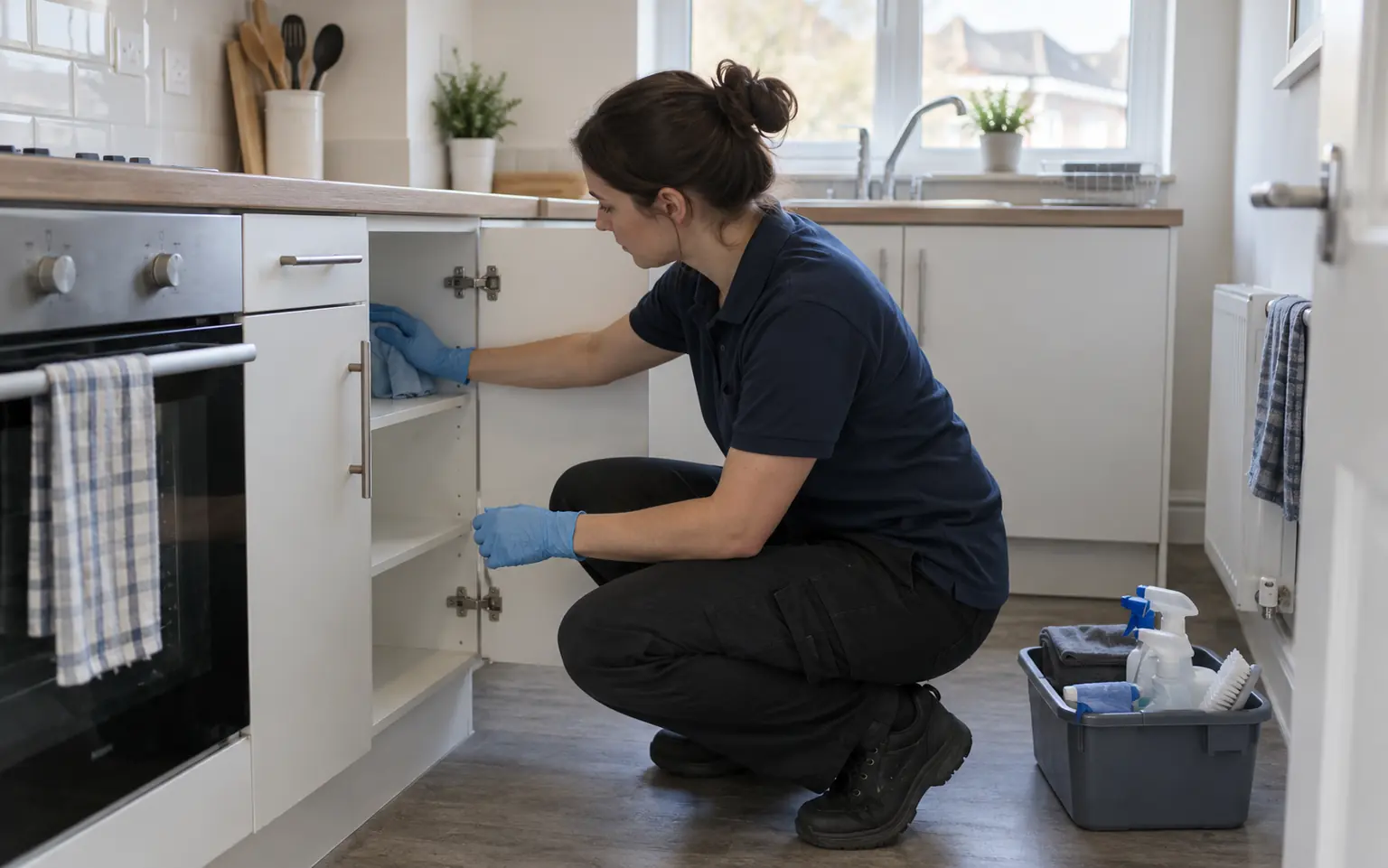
Use cleared rooms to update the brief
Once belongings leave, check the newly visible condition and send photographs if it differs from the enquiry. Identify empty storage, exposed floor edges and reachable fixtures. A property described while occupied may reveal more residue or a damaged finish after moving. Report that change before arrival so suitable work can be discussed accurately.
Use the tenancy cleaning scope to frame ordinary room tasks, then specify actual kitchen and bathroom requirements. Storage should be empty if its interior is accepted. Record damage and wear separately instead of expecting a newly exposed surface to be restored through cleaning simply because it can now be reached.
Keep appliance and fabric requirements itemised
Request oven cleaning with the appliance type and present condition if detailed treatment is required. Other appliance interiors also need explicit agreement and preparation. A cleared kitchen does not automatically include every internal component or imply dismantling and repair within a general property-cleaning quotation.
For carpets or seats, discuss fabric treatment with material and stain information. Decide how drying will fit the period before inspection or key return. Permanent staining, colour change and wear may remain. Clearing floor space helps explain access, but it does not guarantee suitability for one universal method.
Give the final review a place in the timetable
Confirm the inspection and key-return arrangements and allow time to check accepted tasks while access remains available. Use the same room names and locations as the quote. Keep context photographs for a precise concern and note material limitations already identified. A review should concern the work commissioned, not an undefined demand to make the whole property new.
If someone else will review the result, give them the accepted scope and a clear contact. Keep cleaning separate from damage, missing possessions and other tenancy issues. A cleaning receipt cannot decide those matters or guarantee that an agent will approve the property or return a particular sum.
Accept a price for the actual ready property
Request a written quote for the property as it will be after the agreed clearance, with accessible rooms and cleaning tasks identified. Keep disposal and specialist treatment requests separately visible so their scope and cost are understood. Check applicable VAT and agreed access charges in the total, and explain who will confirm that the rooms are ready before attendance.
Explain who can approve changed work if the condition differs after the last items are removed. Clarify reporting deadlines and access conditions for any potential follow-up. No automatic unlimited return visit is promised. Suitable cleaning cannot repair damaged materials or resolve a dispute about what somebody left behind.
Bellingham access after belongings have gone
Confirm the full address and reliable entry arrangements, especially if the last occupier no longer holds keys. Use the official council finder when checking which local authority’s arrangements apply to the street. A cleaning or clearance booking does not itself permit a vehicle to ignore restrictions.
Keep utilities available and the route to included rooms clear. Use coverage information for nearby locations, then confirm availability for the exact property and sequence of work. A practical plan distinguishes clearing the home, cleaning its accepted surfaces and the later tenancy assessment without treating them as one guaranteed outcome.
Practical answers
Checkout planning questions
Can the cleaner decide what to discard?
No disposal authority is implied. Identify ownership and arrange any accepted clearance request separately before the cleaning visit.
What if clearing furniture reveals extra residue?
Send updated photographs and explain the changed condition. Additional work needs assessment and agreement rather than automatic inclusion in an earlier quote.
Does an empty room guarantee a fixed price?
No. Extent, material, residue and the accepted tasks still matter. Clear access helps describe the work but does not establish every treatment requirement.
Will the booking settle missing-item concerns?
No. Cleaning addresses its accepted scope, while ownership, missing items and other tenancy decisions remain separate.
Nearby areas
Planning visits at more than one address? Check the page for each property.
See our coverage guide and confirm your full postcode when enquiring.
Your next step
Leave time for the final review.
Discuss the handover deadline and the accepted work before confirming your appointment.