
Moving out of a rented property involves much more than packing boxes and handing back the keys. One of the biggest reasons tenants lose part of their deposit is because the property doesn’t meet the cleanliness standard expected during the final inventory inspection. In London, where rental properties range from compact flats to large Victorian terraces, landlords and letting agents often compare the property’s condition against the original inventory report.
A thorough end of tenancy clean helps present the property in its best condition, but many tenants unintentionally overlook areas that receive close attention during inspections. Understanding these common mistakes can help you avoid unexpected deductions and leave the property ready for its next occupants.
Why Cleaning Matters During the Final Inspection
The tenancy agreement usually requires tenants to return the property in a similar state of cleanliness to when they moved in, allowing for fair wear and tear. During the final inspection, inventory clerks don’t simply look at obvious areas. They check inside cupboards, behind appliances, around light switches, beneath furniture (if it remains), and inside kitchen appliances.
In many London flats, limited natural light can make dust and grease less noticeable during everyday living, yet these areas become much more obvious once an inspection begins. Small details often influence whether the property passes without additional cleaning.
Leaving the Oven Until the Last Minute
The oven is one of the most frequently overlooked appliances. Grease, burnt food residue and carbon deposits gradually build up over time, making them difficult to remove with standard household products shortly before moving day.
Professional cleaners often use specialist degreasers, non-abrasive scrapers and steam cleaning equipment to soften stubborn deposits without damaging internal surfaces. Attempting to clean a heavily soiled oven at the last minute can leave behind staining, unpleasant odours and visible residue.
A clean oven demonstrates that the property has been looked after throughout the tenancy and often forms part of the overall impression during an inventory inspection.
Ignoring Limescale in Kitchens and Bathrooms
London’s hard water creates one of the most common cleaning challenges for tenants. Limescale forms around taps, shower screens, toilets, kettles and sinks as minerals are left behind when water evaporates.
Many people only notice heavy limescale shortly before moving out, by which point it can require specialist descalers and careful treatment. While professional cleaning can remove most mineral deposits, long-term build-up may permanently affect chrome fittings or damaged grout.
Regular cleaning throughout the tenancy makes final preparation much easier than trying to remove months or years of accumulated scale in a single day.
Forgetting High-Touch Areas
When preparing to move, attention naturally focuses on larger rooms, but inventory inspections often include smaller details that are easy to miss.
Common examples include:
- Light switches
- Door handles
- Bannisters
- Plug sockets
- Skirting boards
- Radiators
- Window ledges
- Internal doors
These areas collect fingerprints, dust and everyday grime without attracting much attention during normal living. A quick wipe using microfibre cloths and suitable cleaning products can significantly improve the overall presentation of the property.
Carpets Can Hold More Dirt Than You Think
Carpets often appear clean after regular vacuuming, but deep within the fibres they may contain dust, pet hair, allergens and fine debris that ordinary vacuum cleaners cannot fully remove.
Professional end of tenancy cleaning commonly includes the use of HEPA vacuum systems, which capture much finer particles than standard domestic models. Where necessary, hot water extraction or carpet shampooing may also be recommended to lift embedded dirt and improve the appearance of heavily used areas.
Deep cleaning cannot repair permanent stains, burns or worn carpet fibres, but it can noticeably improve cleanliness before the landlord’s inspection.
Hidden Kitchen Areas Are Frequently Missed
Kitchen worktops usually receive attention before moving day, but many hidden areas are forgotten.
Inventory clerks often inspect:
- Inside cupboards
- Drawer interiors
- Behind freestanding appliances
- Cooker extractor filters
- Splashbacks
- Fridge seals
- Freezer compartments
Grease naturally settles on nearby surfaces during cooking, particularly around hobs and extractor fans. Over time, this sticky layer attracts dust, making surfaces appear dull even after a quick wipe.
Using appropriate degreasers together with microfibre cloths helps remove grease without damaging cabinet finishes or stainless-steel surfaces.
Moving Furniture Can Reveal Unexpected Dirt
Many tenants are surprised by how much dust and debris become visible once furniture has been removed. Areas behind wardrobes, sofas, beds and shelving often remain untouched throughout the tenancy simply because access is limited.
This is one reason why many people arrange Home Removals before booking an end of tenancy cleaning service. Once the property is empty, cleaners can reach every corner, clean skirting boards properly, vacuum behind appliances and inspect areas that would otherwise remain hidden.
In London apartments where space is limited, carrying furniture through hallways and communal entrances can also create fresh dust and marks. Completing the cleaning after everything has been moved helps ensure the property is presented in its cleanest possible condition for the final inspection.
Leaving Rubbish or Small Items Behind
One of the simplest yet most common mistakes is leaving behind small amounts of rubbish, forgotten items in drawers, or half-empty cleaning products. While it may seem minor, inventory checks are very detailed and even small items can lead to cleaning charges being deducted.
In London rental properties, tenants often underestimate how thoroughly cupboards, loft spaces, and under-sink areas are checked. Even a few old hangers, broken items, or unused packaging can be flagged during inspection.
A final walkthrough of the entire property, including storage areas, helps avoid unnecessary deductions and ensures nothing is left behind unintentionally.
Using the Wrong Cleaning Products on Surfaces
Different surfaces require different cleaning approaches, but this is often overlooked when tenants are rushing to move out. Strong chemicals or abrasive materials can damage finishes, especially on modern fittings commonly found in London flats.
For example:
- Harsh bleach can discolour grout over time
- Abrasive pads can scratch glass or polished surfaces
- Strong degreasers can damage painted cabinet doors if not diluted properly
Professional cleaners usually rely on controlled solutions such as eco-friendly detergents, microfibre cloths, steam cleaners, and targeted descalers depending on the surface type. The aim is to remove dirt effectively without leaving damage that could be mistaken for neglect during inspection.
Exterior Areas Are Often Forgotten
For properties with balconies, small patios, or external access points, these areas are frequently overlooked during move-out cleaning. However, letting agents in London often include them in the final inspection checklist.
Dust, bird droppings, and weather staining can build up over time, particularly on balcony floors and railings. Even if the interior is spotless, a neglected exterior space can impact the overall impression of the property.
A simple sweep, wipe-down of railings, and removal of any debris is usually enough to bring these areas up to standard.
When a Standard Clean Is Not Enough
Some properties require more than routine end of tenancy cleaning, especially when renovation or repair work has taken place before the tenancy ends.
We often see this in London properties where landlords have recently upgraded kitchens, replaced flooring, or carried out painting works. These situations usually leave behind fine dust, plaster residue, and paint particles that settle into corners, vents, and behind fixtures.
This is where After Builders Cleaning Services becomes more appropriate than a standard clean. It focuses on removing construction dust from areas such as:
- Skirting boards and edges
- Electrical sockets and fittings
- Window frames and tracks
- Air vents and extractor areas
- Hard-to-reach corners and surfaces
In many cases, a combination of end of tenancy cleaning and after builders cleaning is needed to fully prepare the property for inventory inspection. A quick assessment helps determine the level of cleaning required before handover.
Why Professional End of Tenancy Cleaning Helps Reduce Stress
Moving out is already a demanding process. Between packing, organising Home Removals, and handling paperwork, cleaning often becomes rushed or incomplete. This is where professional support makes a difference.
A structured cleaning process typically includes:
- Initial inspection of the property condition
- Preparation of equipment and cleaning materials
- Deep cleaning of kitchens, bathrooms, living spaces and bedrooms
- Final quality checks before completion
Professional cleaners also understand what inventory clerks in London typically look for, which helps ensure the property meets expected standards without last-minute issues.
While no cleaning service can reverse permanent damage or wear, a thorough clean significantly reduces the risk of disputes over cleanliness.
Final Thoughts
Most deposit deductions linked to cleaning are not caused by neglect, but by small, avoidable oversights. Kitchens, bathrooms, carpets, hidden surfaces, and overlooked corners all contribute to the overall impression of the property.
By understanding these common mistakes, tenants can prepare more effectively and reduce the likelihood of unexpected charges at the end of their tenancy. Whether you’re moving out of a small flat or a larger family home, attention to detail always makes a difference during the final inspection.
A well-prepared property also makes the moving process smoother, especially when combined with organised Home Removals and, where necessary, specialist cleaning such as After Builders Cleaning Services.
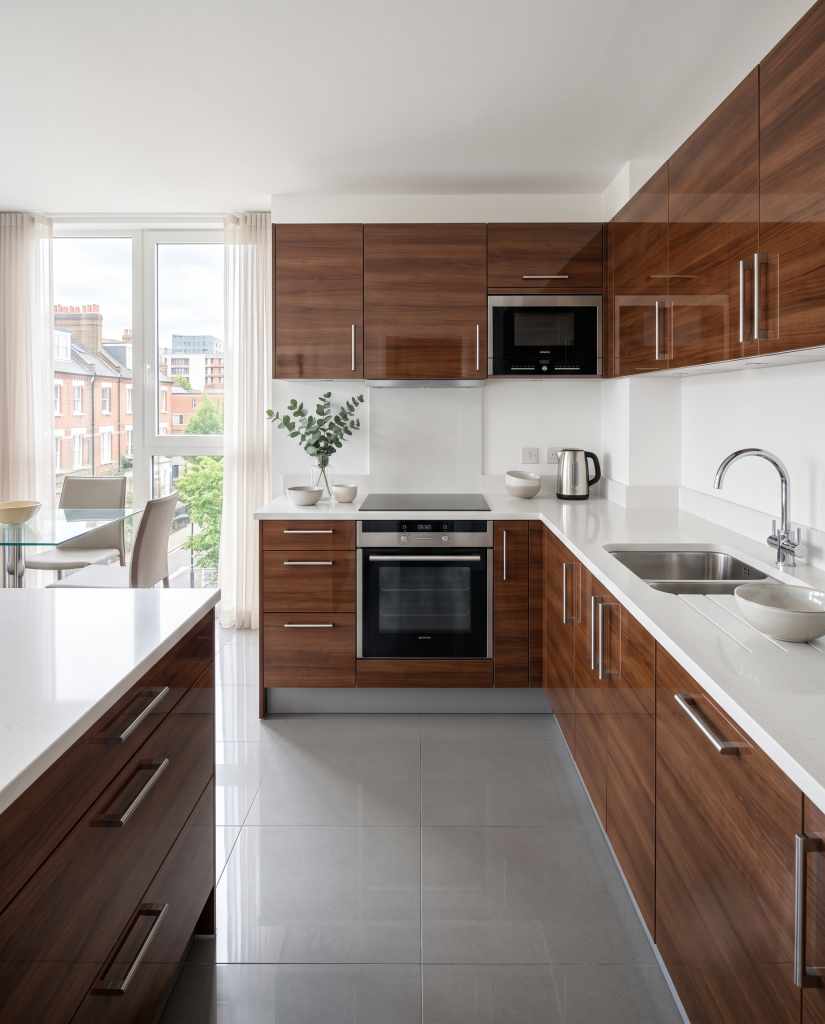
Ovens, inside cupboards, and behind furniture are the most frequently missed areas during move-out cleaning.
It depends on your tenancy agreement, but professional cleaning often helps meet inventory standards more consistently.
London has hard water, which causes mineral deposits to build up faster on taps, showers, and bathroom surfaces.
Yes, many tenants arrange removals first, then schedule cleaning once the property is empty for better results.