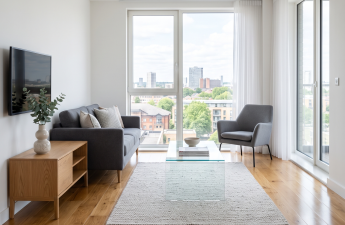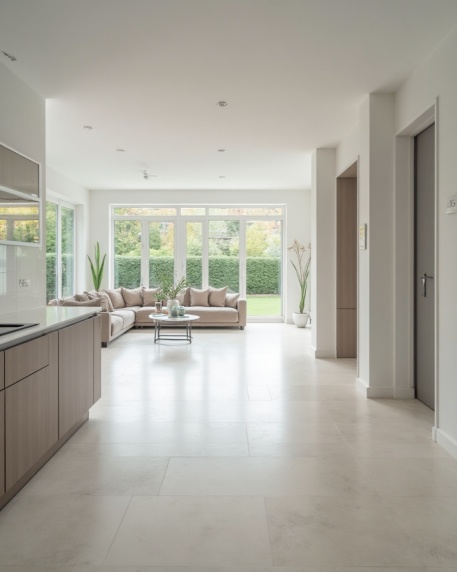
Moving out of a rented property is rarely as simple as loading a van and locking the front door. There are tenancy agreements to complete, utility accounts to close, belongings to organise, and a final property inspection to prepare for. One task that is often underestimated is cleaning, yet it can have a significant impact on how smoothly the handover goes.
A property that has been lived in for months or years naturally collects dust, grease, stains, and everyday wear. Even tenants who clean regularly can miss the hidden areas that are checked during a checkout inspection. Understanding what landlords and letting agents are looking for helps you prepare properly and avoid unnecessary problems at the end of your tenancy.
Why a Move-Out Clean Is Different from Weekly House Cleaning
Routine cleaning helps maintain a comfortable home, but it isn’t designed to restore a property to the condition expected at the end of a tenancy. Over time, cooking vapours leave grease on kitchen cupboards, bathrooms develop limescale because of London’s hard water, and dust settles in places that are rarely reached during normal household cleaning.
A professional End of Tenancy Cleaning service focuses on returning the property to a clean, presentable condition rather than simply making it look tidy. Every accessible room is cleaned carefully, with particular attention paid to areas that inventory clerks and landlords commonly inspect.
The Rooms That Usually Need the Most Attention
Although every property is different, kitchens and bathrooms generally require the deepest level of cleaning.
Kitchen appliances often hide layers of grease that build up gradually with everyday cooking. Oven interiors, extractor fans, splashbacks, cupboard doors, and worktops usually require specialist products to remove stubborn residue without damaging the surface.
Bathrooms present different challenges. Hard water leaves mineral deposits around taps, shower screens, sinks, and tiles, while moisture encourages soap scum to build up in corners and around sealant. These marks become more noticeable over time if they are not removed with suitable descaling products.
Living rooms and bedrooms may appear clean at first glance, but skirting boards, window frames, light switches, internal cupboards, and behind furniture often collect dust that becomes obvious during a detailed inspection.
Why Professional Equipment Delivers Better Results
The products used for everyday cleaning are useful for light maintenance, but they are not always suitable for removing months of accumulated dirt.
Professional cleaners often work with HEPA vacuum systems that capture fine dust particles, steam cleaners that loosen grime without harsh scrubbing, specialist degreasers for kitchen surfaces, and descalers that safely remove hard water deposits from bathrooms.
Using the correct equipment also helps protect delicate materials while producing a more consistent finish throughout the property.
Don’t Underestimate the Importance of Carpet And Upholstery Cleaning
Carpets experience constant foot traffic throughout a tenancy, trapping dust, pet hair, food particles, and everyday dirt deep within the fibres. Even when vacuumed regularly, they may still hold stains and odours that affect the overall appearance of the home.
Professional Carpet And Upholstery Cleaning reaches below the surface to lift embedded dirt and refresh fabric furnishings. Sofas, dining chairs, mattresses, and upholstered headboards can also benefit from deep cleaning, especially in long-term rental properties.
Refreshing soft furnishings often makes an entire room feel cleaner and brighter without replacing anything.
When One Off Cleaning Is the More Practical Choice
Not every property requires a full move-out clean. Sometimes a home has already been professionally cleaned, recently renovated, or only certain rooms need additional attention before viewings or inspections.
In these situations, One Off Cleaning provides a practical alternative. It allows specific areas to receive a detailed clean without arranging a complete end of tenancy service. This option is popular with landlords preparing properties between tenancies and homeowners wanting a thorough refresh after decorating or maintenance work.
Outdoor Areas Create the First Impression
If a property includes outdoor space, it deserves the same attention as the interior.
Patios, driveways, garden paths, and paved courtyards naturally become dirty throughout the year. Moss, algae, mud, and weather staining gradually affect the appearance of exterior surfaces, particularly in shaded areas.
Professional Jet Washing and Patio Cleaning removes this build-up using high-pressure equipment that restores hard surfaces without unnecessary chemicals. For many London homes with private gardens or small courtyards, a clean outdoor area immediately improves the overall presentation of the property.
Curtains and Fabrics Shouldn’t Be Overlooked
Soft furnishings often absorb cooking smells, dust, and airborne particles throughout a tenancy. While they may appear clean, curtains and removable fabric items frequently hold odours that become noticeable once the property is empty.
Using Dry Cleaning and Laundry services allows these items to be professionally refreshed while protecting delicate materials. Clean curtains and freshly laundered fabrics help complete the overall appearance of a well-maintained property.
Planning the Cleaning at the Right Time
One of the most effective ways to achieve a thorough clean is to schedule it after all furniture and personal belongings have been removed.
An empty property provides unrestricted access to every room, allowing cleaners to reach behind appliances, clean inside storage areas, and properly treat flooring throughout the home. It also makes the final inspection easier because every part of the property is clearly visible.
Many tenants arrange cleaning immediately after Home Removals have been completed so there is no risk of freshly cleaned areas becoming dirty again.
Setting Realistic Expectations
Professional cleaning can transform the appearance of a rental property, but it is important to understand its limitations.
Cleaning removes dirt, grease, dust, and many everyday stains, but it cannot repair damaged flooring, chipped tiles, torn carpets, mould caused by structural issues, or worn worktops. Where permanent damage exists, repair or replacement may be required alongside cleaning.
Knowing the difference between cleaning and restoration helps avoid unrealistic expectations before the final inspection.
A Better Way to Prepare for Moving Day
Preparing a property for checkout involves much more than ticking off a cleaning checklist. Every tenancy leaves its own marks, and every property presents different challenges depending on its age, layout, and how it has been used.
Combining End of Tenancy Cleaning with services such as Carpet And Upholstery Cleaning, One Off Cleaning, Jet Washing and Patio Cleaning, and Dry Cleaning and Laundry creates a more complete solution for many London properties. Together, these services help restore the home to a clean, presentable condition that supports a smoother handover for tenants, landlords, and letting agents alike.
Whether you’re moving from a studio flat, a family house, or a rented apartment anywhere across London and the M25, preparing the property properly before handing back the keys can save time, reduce stress, and leave a lasting positive impression.
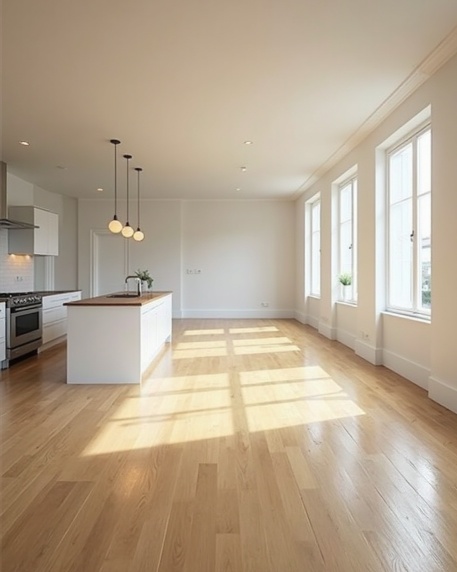
End of tenancy cleaning usually includes a full deep clean of the property such as kitchens, bathrooms, bedrooms, living areas, appliances, skirting boards, windows (interior), and all hard-to-reach areas to meet landlord or letting agent standards.
In most cases, yes. Many landlords and letting agents in London require professional-level cleaning before returning the full deposit, especially if it’s stated in your tenancy agreement.
The duration depends on the property size and condition. A small flat may take 3–5 hours, while larger homes can take a full day or more for a complete deep clean.