End To End · Hampstead
Deep Cleaning Hampstead
A focused deep clean can be easier to organise when each room has a clear purpose and preparation plan. Tell us how your Hampstead home will be used during the appointment, which surfaces you can clear and what needs the most attention.
- Choose priorities around household use
- Describe furnishings and delicate materials
- Agree a quote, entry plan and review contact
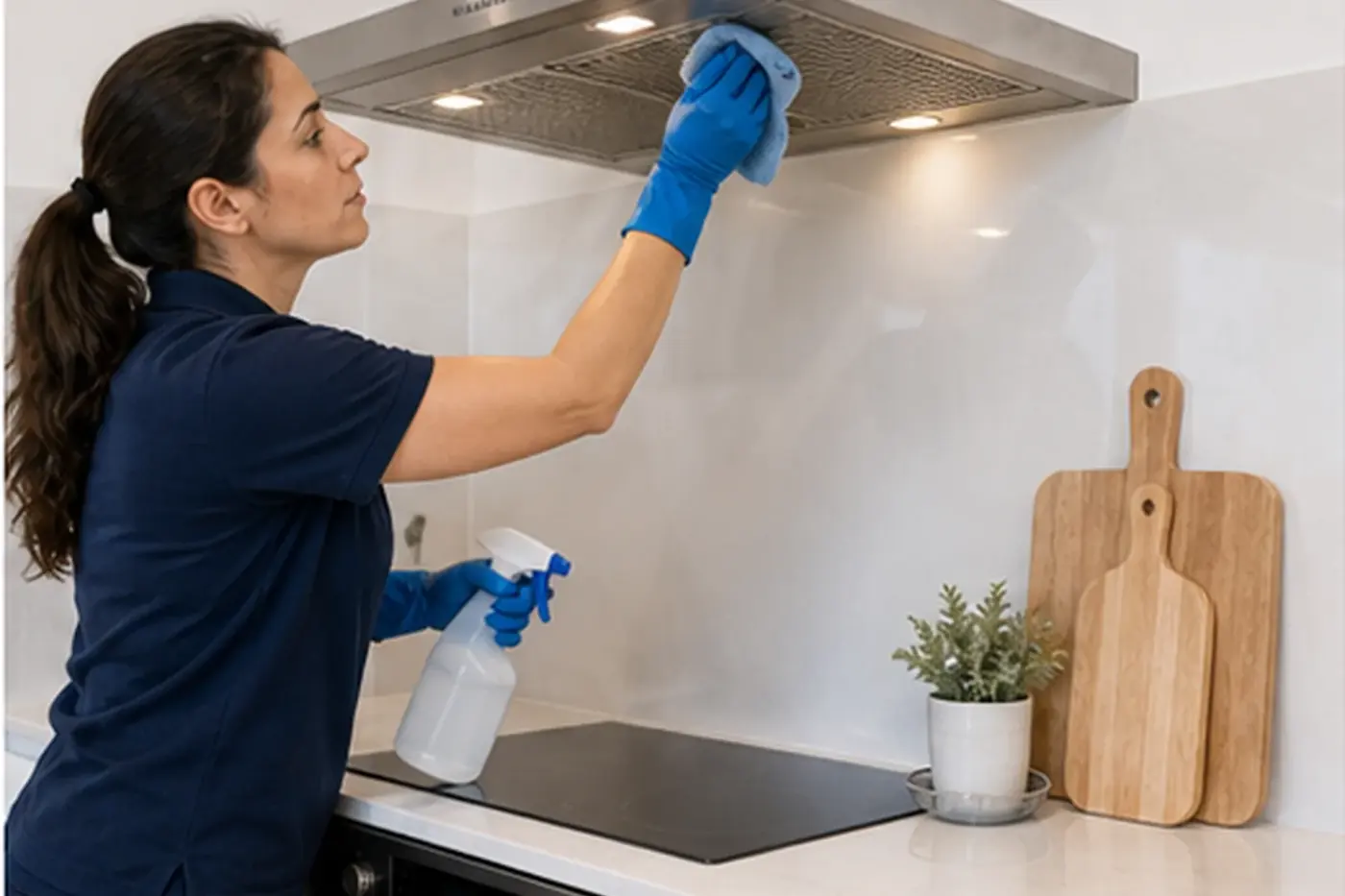
Choose the areas that justify focused attention
Start with the build-up you want addressed rather than an instruction to do everything. Describe kitchen grease, bathroom residue and neglected reachable details with current photographs. Explain whether the visit is a standalone refresh or part of a move, letting or return to use.
The deep-cleaning guide explains the accepted accessible scope. If the purpose is checkout, compare end of tenancy cleaning and share the relevant inventory requirements. A service name should help define the work, not replace a conversation about the property.
Describe how the household will operate
Tell us which rooms remain occupied, what furniture stays and whether anyone needs to pass through the proposed work area. Explain pets and any vulnerable objects or delicate finishes along the route. Clear small items rather than moving them into another area needed for equipment.
Give the number of rooms and bathrooms, but include condition and priorities as well. Two properties with the same room count can present different amounts of accessible work. If you can clear storage only in certain rooms, state that before the quote is accepted.
Turn priorities into named tasks
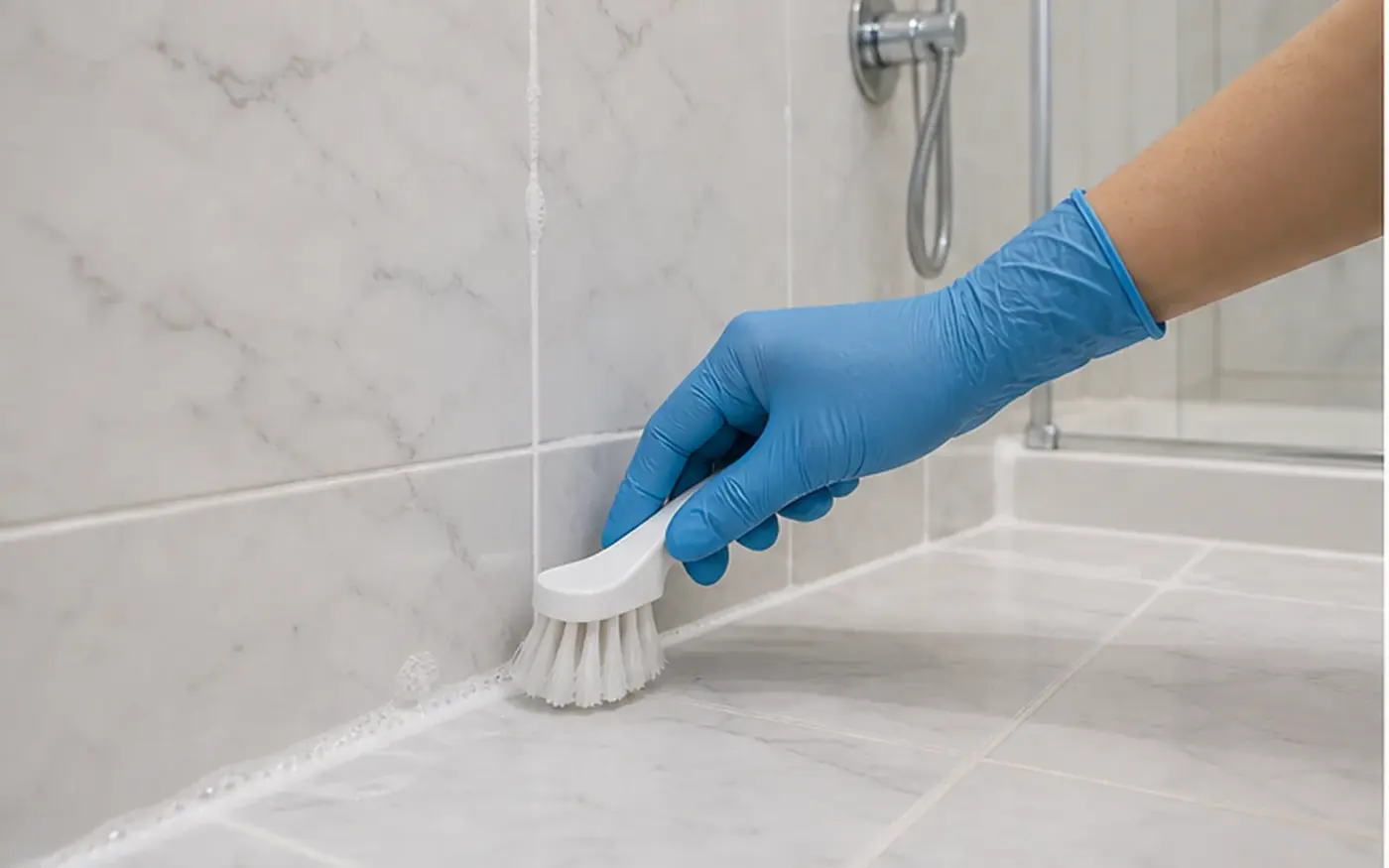
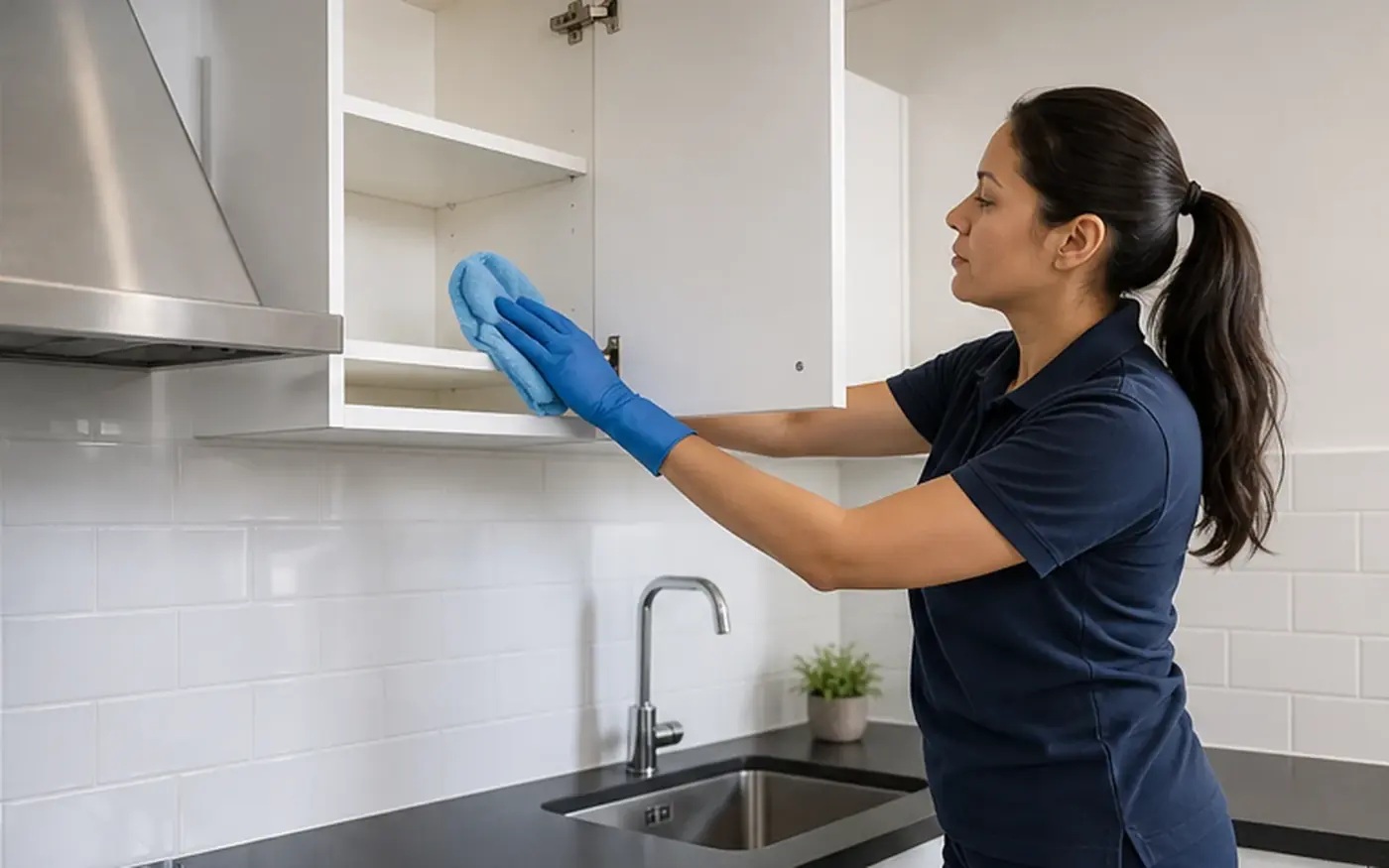
For the kitchen, list suitable worktops, sink, fronts, handles, splashbacks and any empty interiors requested. For bathrooms, identify sanitaryware, taps, screen and reachable tiles. Elsewhere, agree ledges, doors, skirting and exposed floors that need attention.
Record existing damage beside the relevant item. Etched stone, failed silicone and worn coatings may not change through cleaning. Unusual conditions such as renovation residue or suspected mould need separate assessment rather than being hidden inside an ordinary room list. Material information and photographs make those boundaries easier to establish.
| Booking decision | What to confirm |
|---|---|
| Household activity | Rooms and routes still needed |
| Specialist additions | Suitability, equipment and aftercare |
| Completion review | Named person and accepted checklist |
Add specialist work before the schedule is fixed
Give detailed appliance information for oven cleaning, including type and requested components. For carpet or upholstery treatment, provide areas or items, material information and a drying plan. Neither should be assumed included because the appointment takes place in the same room.
If access depends on removing unwanted furniture or stored items, discuss an accepted clearance service separately. Explain the actual obstacle and collection arrangements so the cleaning scope reflects what will be reachable when the team arrives.
Hampstead entry: confirm the practical permissions
For a property in Camden, consult the council parking-service guide when deciding which arrangement suits a work vehicle. Resident, visitor and trade parking and keeping a bay clear are different purposes. Check the actual permission rather than assuming a household permit covers the visit.
Tell us about stairs, distance from lawful unloading, shared entrances and any building-management instructions. Check the full postcode with our coverage guide, then agree who opens, who secures the property afterwards and who can answer questions while cleaning is underway.
Read the total before accepting the date
Use the price list as a starting reference and request a quote based on the room condition, accessible work and additions. Ask about applicable VAT and any agreed access costs. If an uncertain surface needs further assessment, clarify how that affects the accepted brief.
Availability and the practical workload should be confirmed before arranging your day around the appointment. Explain a deadline if one exists, but do not assume that every task can be added later. Extra work needs agreement on suitability, time and price before it proceeds.
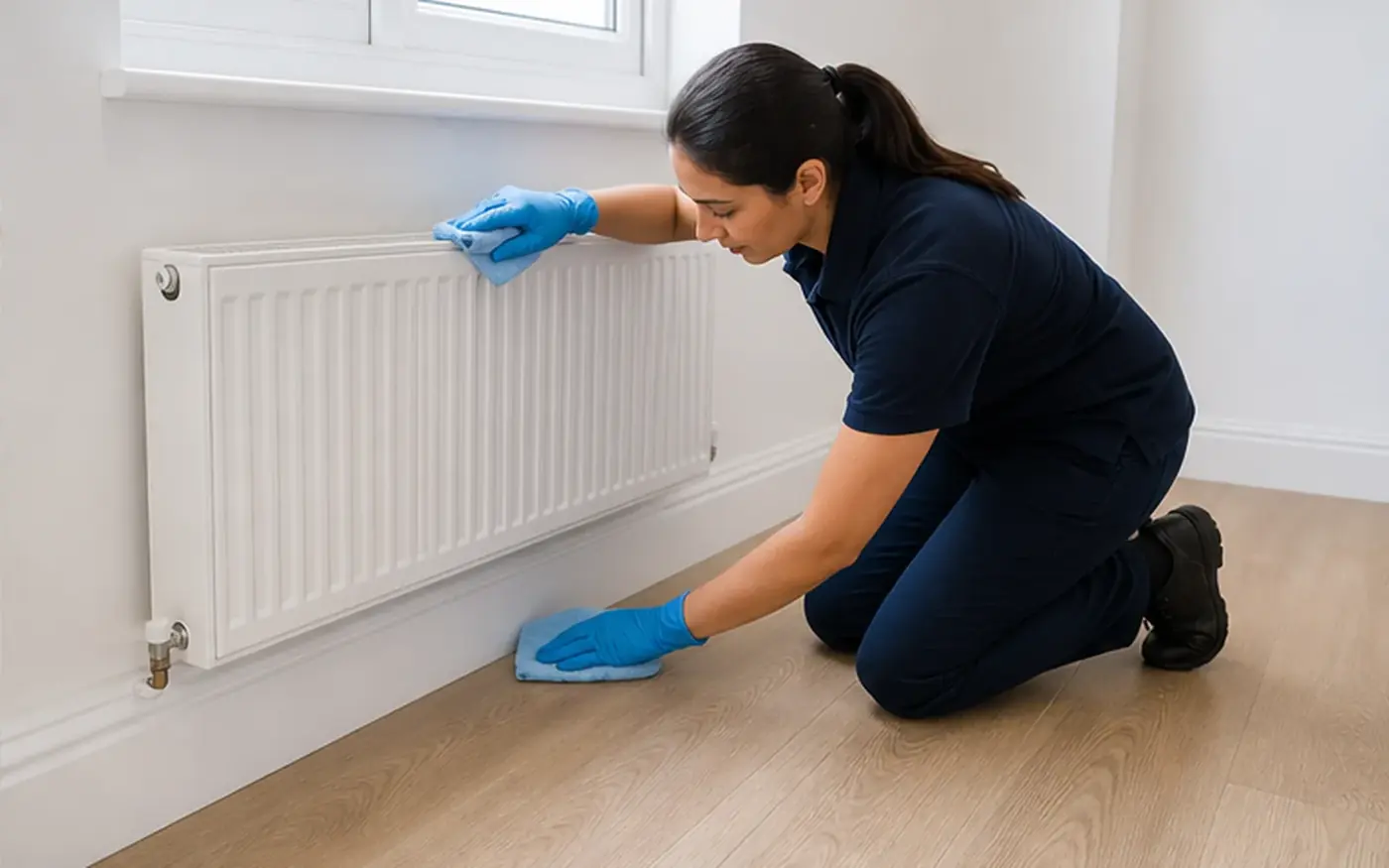
Prepare a review that fits an occupied home
Keep utilities available and the accepted surfaces clear. If you leave during the appointment, choose a reachable contact and agree how the completed work will be checked. Give that person the scope and any material limitations so they can make a useful comparison.
At review, identify a concern by exact surface and condition. Follow any drying or ventilation guidance for separately booked treatments, sharing it with other occupants. Keep the reporting route and accepted task list available afterwards instead of relying on a general expectation that every room should look newly fitted.
Practical answers
Before confirming your booking
Can the home remain occupied during deep cleaning?
Explain the rooms, access and household activity. The accepted work needs clear surfaces and a practical route; discuss how normal use will fit around it.
What information matters beyond the room count?
Condition, furnishing, storage access, delicate materials and specialist additions all affect the brief. Current photographs help show the work that needs assessment.
Can I add carpet treatment after booking?
Ask for a separate assessment and price. Equipment, suitability, scheduling and drying can affect whether the addition is practical.
Who should check the result if I am away?
Choose someone with the accepted checklist and relevant material information. Agree reliable entry, a reachable contact and a specific review arrangement before the visit.
Nearby areas
For another address, consult the relevant local page before requesting a booking.
See our coverage guide and confirm your full postcode when enquiring.
Your next step
Make the appointment clear.
Call with the full postcode, requirements and preferred date to discuss a quote.