End To End · Acton
End of Tenancy Cleaning Acton
An inventory describes property condition; a cleaning brief needs to identify the actual work you want accepted. For an Acton checkout, turn broad room observations into reachable surfaces, named appliances and separate specialist requirements before requesting your quote.
- Use condition notes to define practical work
- Distinguish dirt from wear and repair issues
- Plan preparation for each accepted task
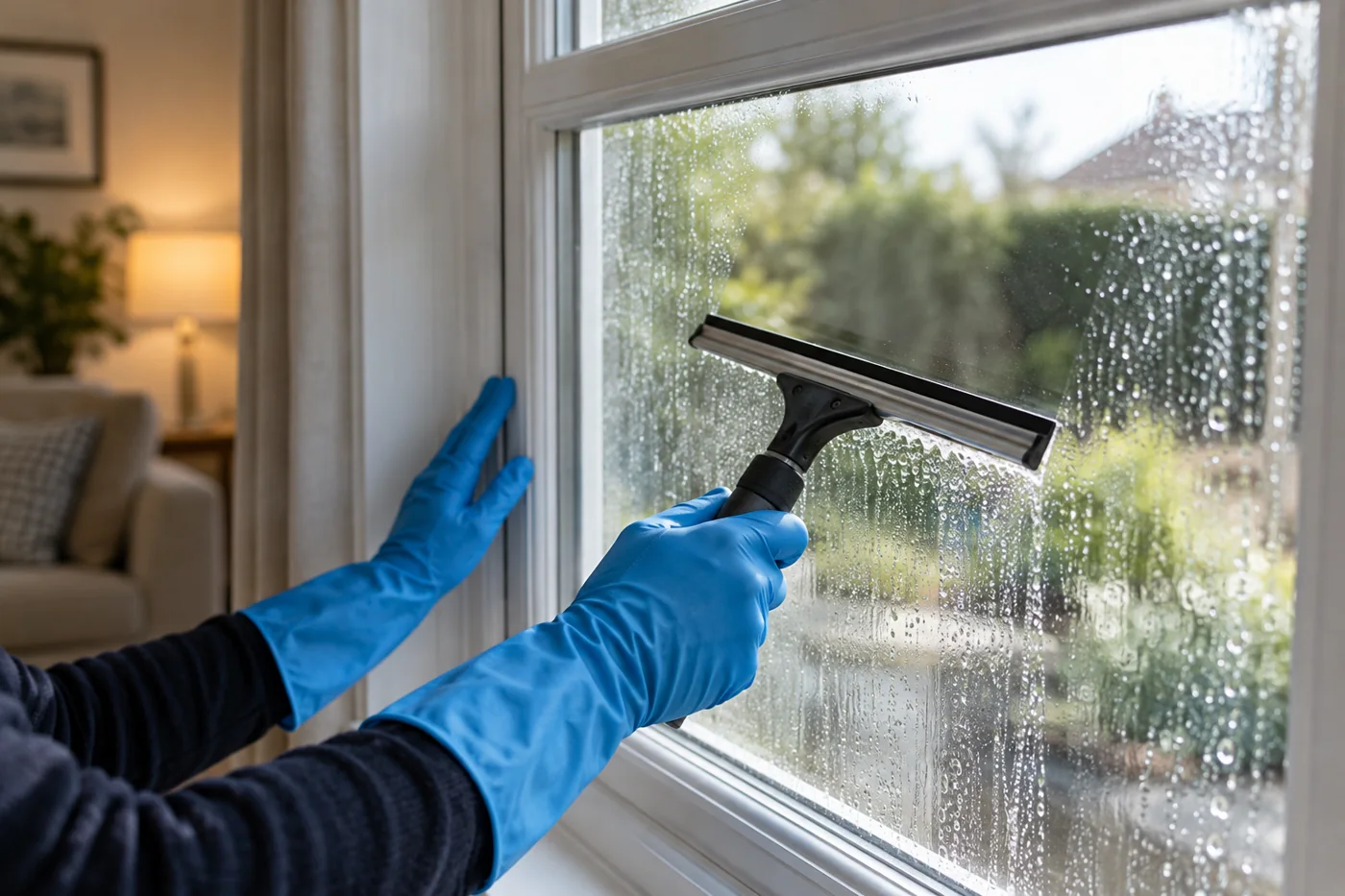
Read the inventory as evidence rather than a result promise
Look at the check-in record alongside current photographs. Identify removable dirt, residue and dust, keeping damage or worn finishes on a separate list. A broad description of a room does not establish which method is suitable for every surface now.
The tenancy service can address accepted accessible cleaning tasks. Share the relevant inventory concerns before quoting, but do not assume a booking guarantees the deposit decision. The aim is a practical room list that makes the handover work understandable and reviewable.
Translate kitchen observations into named areas
For a note about a greasy kitchen, explain whether it concerns worktops, splashbacks, fronts, handles or requested empty cupboards. Provide close photographs and material information. Identify swollen surfaces, worn coatings and other damage separately so treatment is assessed against the actual finish.
List appliance requirements individually. Detailed oven cleaning needs type, condition and components agreed; a general inventory reference to appliances should not imply unrestricted dismantling. Empty accepted storage and follow safe refrigeration preparation where required rather than expecting those tasks to be absorbed into the appointment.
| Inventory observation | Task to discuss |
|---|---|
| Kitchen residue | Named fronts, surfaces or interiors |
| Bathroom marks | Material and removable-deposit assessment |
| Carpet concern | Separate treatment and drying requirements |
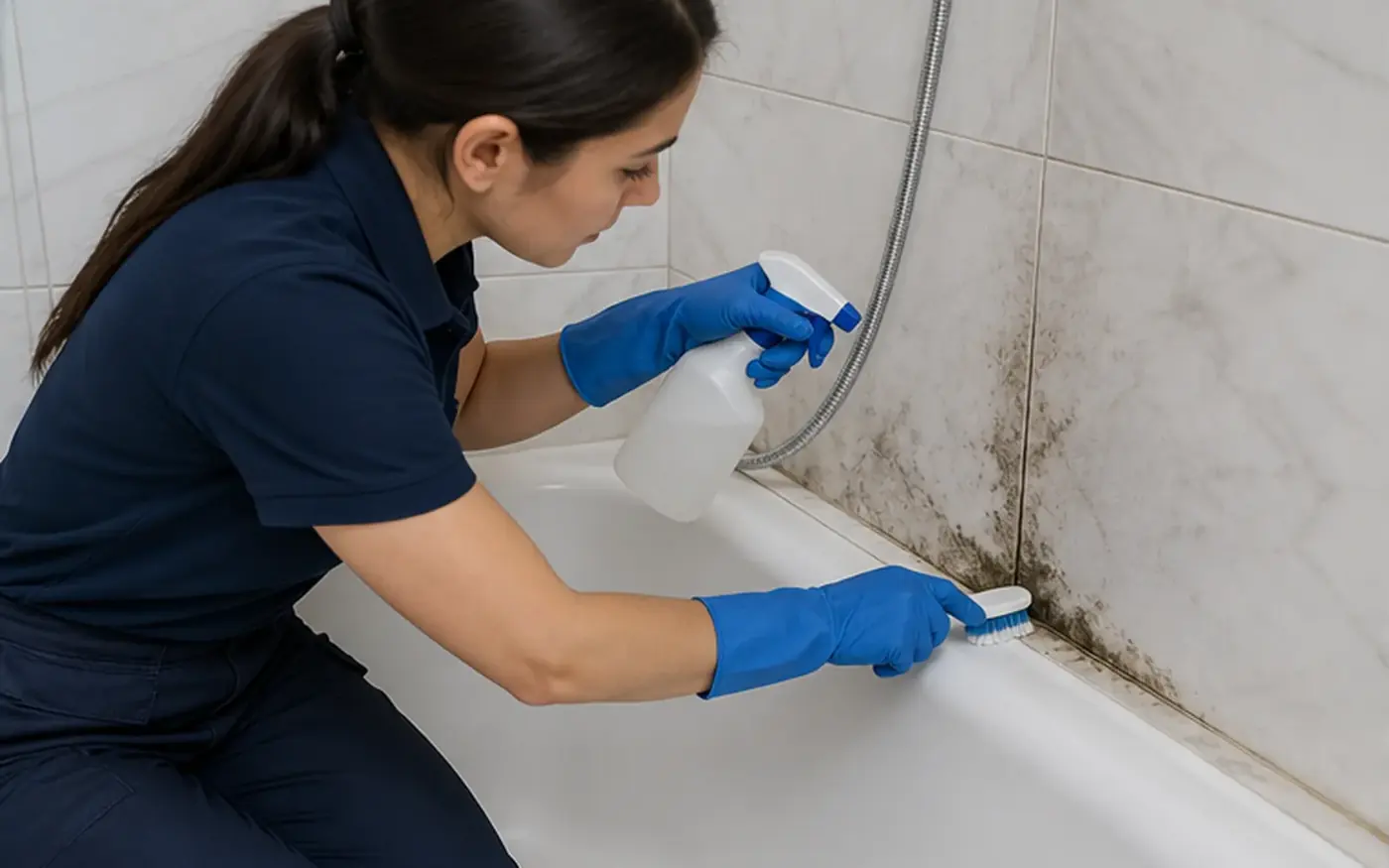
Bathroom descriptions need material context
Identify basin, taps, toilet, bath or shower, screen and suitable reachable tiles. Explain soap residue and removable deposits alongside any existing etching, failed sealant or damaged grout. The condition of the finish affects what cleaning can achieve.
If suspected mould or a known moisture issue is present, raise it separately for assessed mould treatment where appropriate. A checkout clean does not investigate hidden damp or repair a leak. Keep the underlying concern visible rather than treating every mark as ordinary bathroom residue.
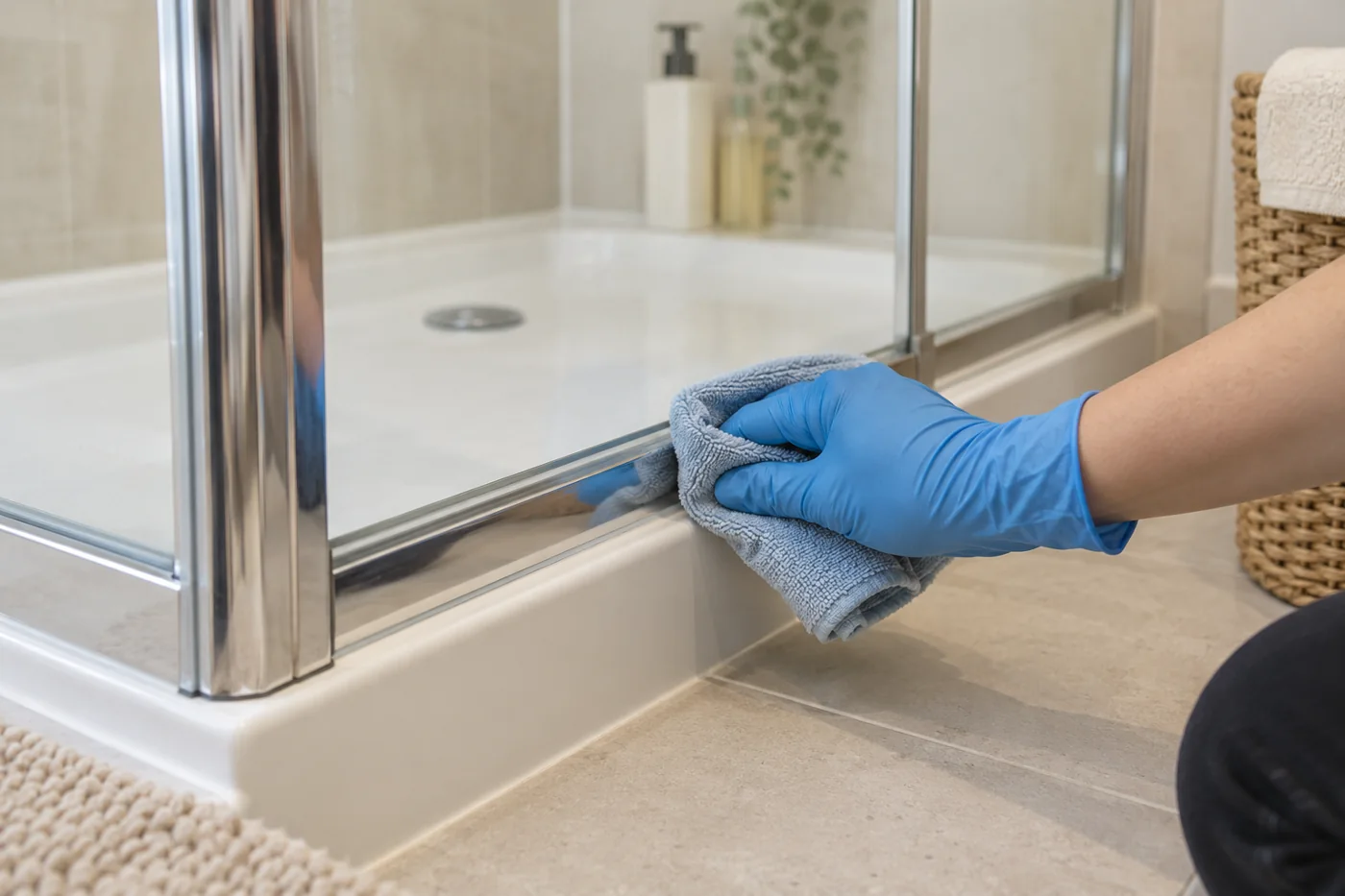
Separate room cleaning from fabric treatment
In living areas and bedrooms, agree reachable ledges, doors, skirting, empty storage and suitable exposed floors. Explain remaining furniture and clear personal possessions. High-access details and heavy movement need discussion instead of inclusion through a general reference to the room.
For carpet or upholstery cleaning, provide the material, areas or items and stain history separately. Routine vacuuming differs from extraction. Suitability and drying need to be understood before an inspection schedule is set, especially if the property has a single necessary route through treated areas.
Acton access depends on the exact address
For an Acton address within Ealing, use Ealing Council’s suspension guidance where a reserved space is needed. The council prohibits holding road space with bins or cones. Check the responsible authority and street restrictions for the actual property rather than relying on an area label.
Tell the team about the lawful unloading point, stairs, shared entrances and key arrangements. Keep water, electricity and lighting available. Confirm the full postcode through our coverage guide, with a reliable contact able to answer questions during the visit.
Use preparation to make the checklist achievable
Finish packing and removals before cleaning where practical. Clear included storage, worktops and bathroom surfaces, and arrange accepted unwanted-item collection separately if required. An item written on the brief still needs to be reachable when the team arrives.
Update photographs after furniture moves if newly exposed condition changes the enquiry. Tell the team about another contractor or delivery that may affect finished rooms. Leave a review opportunity before key return and pass the same accepted scope to anyone checking work on your behalf.
Quote and review against the translated tasks
Read the published prices, then request a total for the actual rooms, condition, access and additions. Clarify applicable VAT, agreed access costs and treatment still requiring assessment. A starting figure should not replace the named checklist with an unlimited full-property promise.
At completion, ask about a specific surface or remaining mark and compare it with the accepted task. Keep before photographs and report concerns through the agreed route promptly. Cleaning, repairs and the inventory decision remain different matters even when they all form part of the same move.
Keep the translated checklist with the relevant inventory observations. If another person reviews completion, they can identify the actual cleaning request behind a broad condition note instead of comparing the result with an undefined room-wide expectation.
Practical answers
Questions about methods and materials
Is the inventory itself a complete cleaning specification?
Not necessarily. Use it to identify concerns, then agree reachable surfaces, appliance requirements and specialist additions for the current condition.
What if an inventory mark is actually damage?
Record it separately and discuss the appropriate repair or assessment. Cleaning cannot reverse every worn finish or defective material.
Should carpets appear as a separate line?
List specialist treatment separately with areas, material and drying needs. Routine vacuuming does not establish an extraction booking.
Can the brief change once furniture has moved?
Send current photographs and ask for assessment before arrival. Newly exposed work may alter the accepted scope or quotation.
Nearby areas
These nearby guides describe the same service in surrounding locations.
See our coverage guide and confirm your full postcode when enquiring.
Your next step
Ask the right questions before treatment.
Explain the materials, condition and access when speaking to End To End.