End To End · Barking
End of Tenancy Cleaning Barking
A useful tenancy-cleaning enquiry combines room context with close detail, then turns that evidence into accepted tasks. For Barking, show current condition and access so a quote reflects the home being handed over rather than a generic room-count promise.
- Pair room views with specific concerns
- Identify surfaces and preparation clearly
- Distinguish quote evidence from deposit decisions
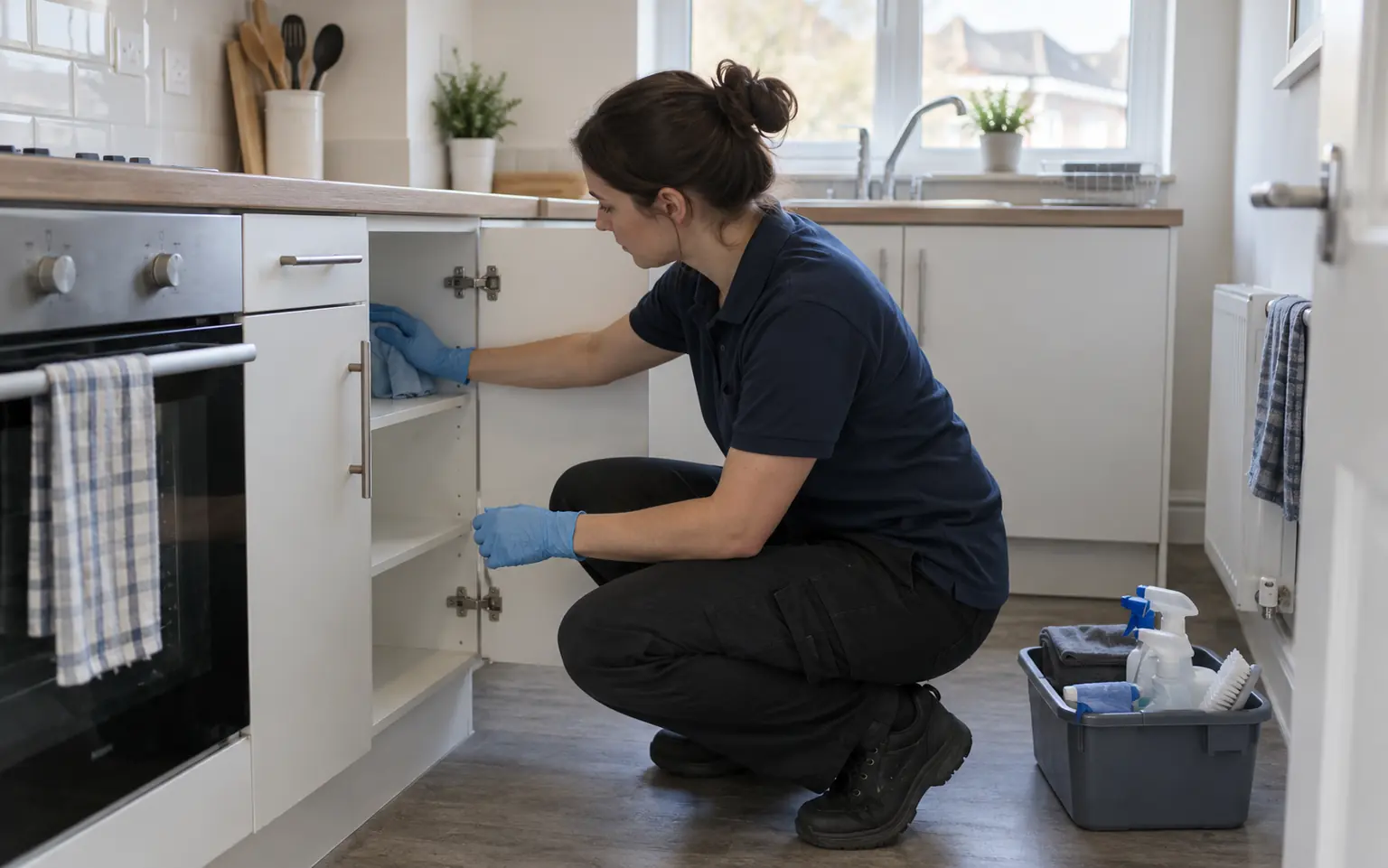
Show enough context to understand the workload
Give room and bathroom counts, furnishing status and wider photographs showing layout and access. Add close images for heavier kitchen grease, bathroom residue or another named concern. A tiny crop can identify a mark without explaining how much cleaning is needed or whether the area can be reached.
The tenancy-cleaning service agrees accessible suitable tasks. Photographs help describe that enquiry but cannot guarantee a treatment result or decide who is responsible for a defect. Keep the check-in inventory with current observations and separate damage from removable residue.
Make kitchen evidence item-specific
Show suitable worktops, sink, splashbacks, fronts and handles, plus requested cupboard interiors. Explain what storage will be empty and identify materials where known. Record swelling, loose edging or worn coatings separately so cleaning is assessed against the actual finish.
For appliance interiors, list each request and preparation individually. Detailed oven treatment needs type, condition and components accepted; a whole-kitchen photograph does not establish unlimited dismantling. Safe refrigeration preparation should follow the agreed instructions where its interior is included.
| Evidence type | What it explains |
|---|---|
| Wider photograph | Room scale and access |
| Close detail | Surface and visible concern |
| Updated image | Changed condition after removals |
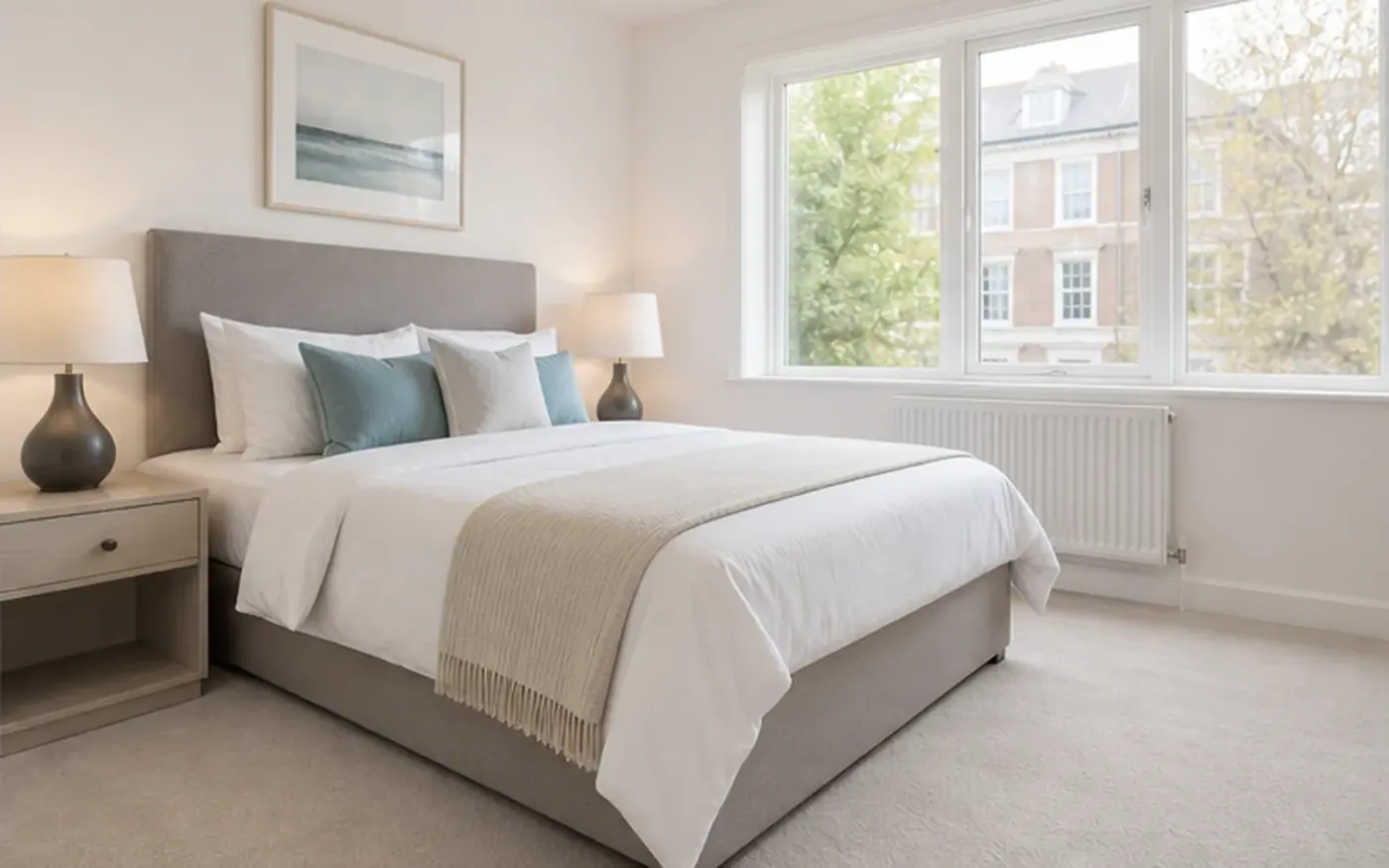
Use bathroom photographs to explain material limits
Identify sanitaryware, taps, screen, bath or shower and reachable tiles with current residue views. Share care information for delicate surfaces and point out etched finishes, failed sealant or damaged grout. A mark can be visible without being removable dirt.
If suspected mould is present, raise an assessed mould enquiry separately with extent and known moisture information. General checkout cleaning does not investigate hidden causes or repair a leak. Keep the particular specialist concern visible instead of treating it as a standard bathroom extra.
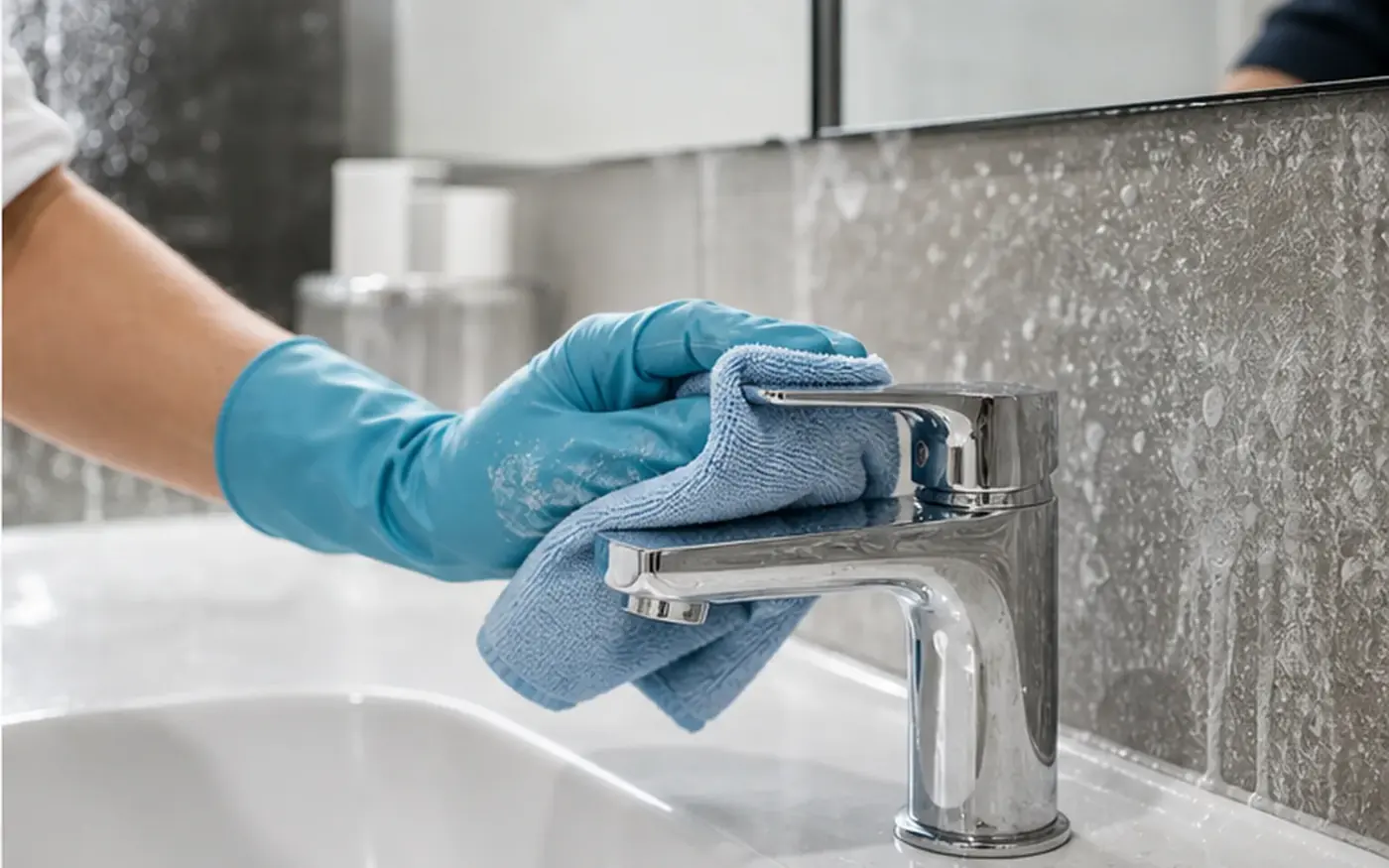
Describe floors and furniture beyond a room count
Explain exposed floors, skirting, ledges, doors and requested empty storage in other rooms. State what furniture remains and whether an area is blocked. High access or heavy movement needs assessment, not automatic inclusion because the bedroom or living room appears in the enquiry.
For carpet or upholstery treatment, supply material, stain and earlier-product information. Vacuuming is distinct from extraction, and accepted treatment needs a drying plan. The same property photograph should not be used to assume every fabric has identical care requirements.
Barking clearance evidence should identify the real items
If unwanted household items block accepted work, arrange removal before the clean depends on clear surfaces. Barking and Dagenham Council’s 2026 bulky-waste announcement links a household collection scheme. Confirm current eligibility, preparation and acceptance directly; the announcement is not a guarantee of your preferred collection slot.
For another accepted clearance service, provide actual items and access. Do not leave the team to decide ownership or disposal. Update photographs after removal where newly exposed condition changes the brief, keeping shared entrances and escape routes clear.
Keep the evidence current through preparation
Complete removals before cleaning where practical and empty accepted storage. Keep water, electricity and lighting available, with keys, controlled doors and private building instructions confirmed. Describe lawful unloading and stairs rather than expecting the team to infer the route from the postcode.
Tell the team about contractor work, deliveries or a delay that changes access. Check the full address through our coverage guide and name someone reachable for questions. If another person reviews the work, give them the accepted tasks and the same current condition record.
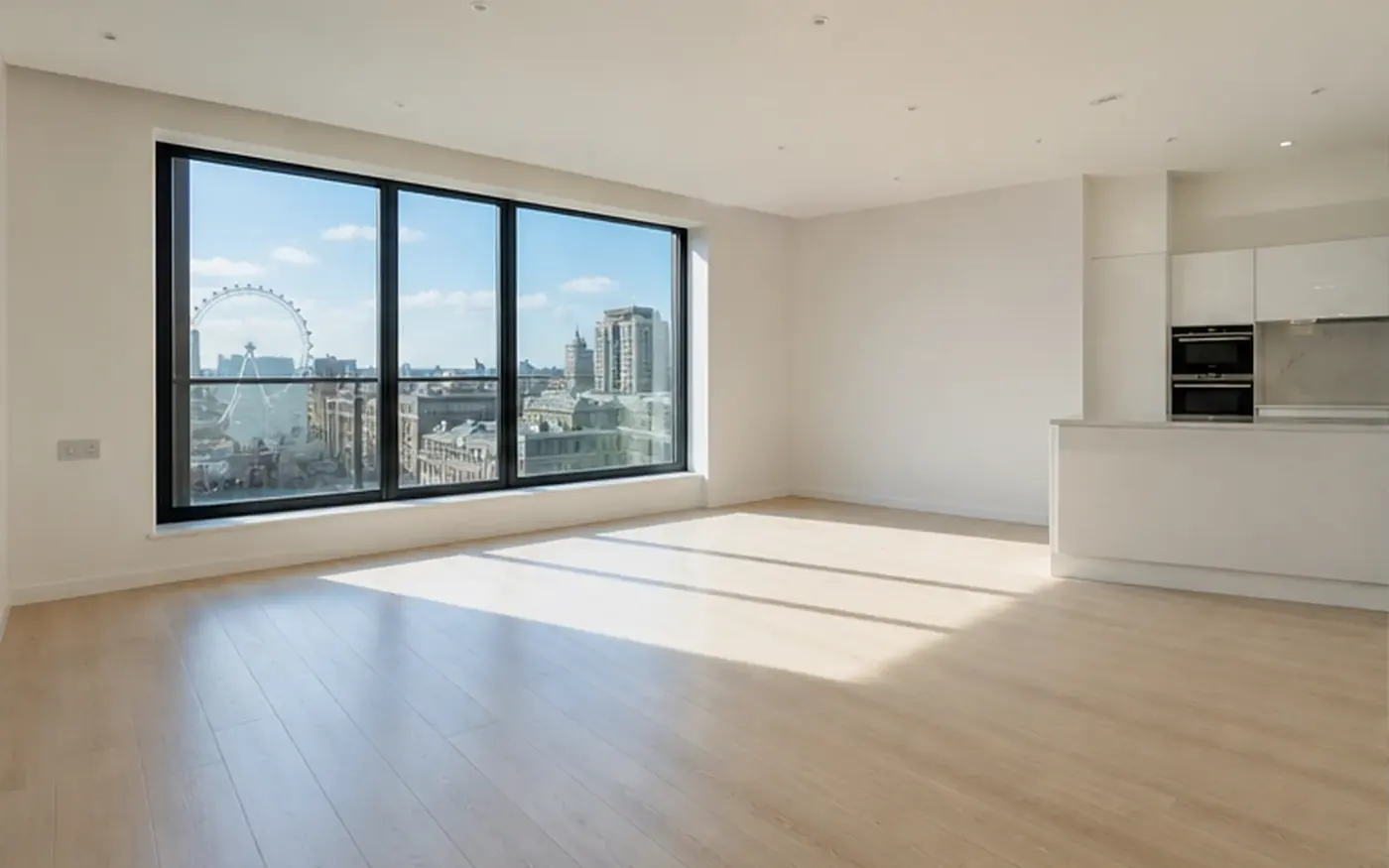
Read the quote as a defined response to the evidence
Consult the published prices and request the total for actual condition, access and accepted additions. Clarify applicable VAT, agreed access charges and any uncertain treatment. A starting figure does not convert photographs into unlimited acceptance of every mark or hidden area.
During review, use exact room and surface locations to raise a concern. Keep before images and agreed limitations together and ask for the reporting route before key return. Cleaning completion cannot settle a deposit decision, repair wear or replace the separate judgement involved in an inventory assessment.
Use matching room names in the condition images, written task list and review notes. Consistent locations make a specific cleaning concern easier to identify after packing and avoid treating an isolated close-up as an instruction about every surface in the property.
Practical answers
Questions about methods and materials
Are close-up stain images enough for a quote?
Add wider room views and material or access information. Close detail does not establish the full workload or available treatment area.
Can photographs prove every mark is removable?
No. Material, age, earlier products and permanent changes can affect results. Use images to describe the enquiry, with suitability assessed separately.
What if a collection announcement mentions a scheme?
Check current eligibility, accepted items and availability directly. Do not rely on an announcement as confirmation that your access preparation will happen by a particular date.
Should another reviewer receive the original photographs?
Share the current accepted scope and relevant condition images so they can compare the same surfaces and limitations used for booking.
Nearby areas
These nearby guides describe the same service in surrounding locations.
See our coverage guide and confirm your full postcode when enquiring.
Your next step
Ask the right questions before treatment.
Explain the materials, condition and access when speaking to End To End.