End To End · Acton
Mould Removal Acton
Request an assessed mould-removal visit for your Acton address by showing the affected area clearly. Suitability, material limitations and access come before a confirmed treatment date or an expectation of a particular result.
- Send dimensions and photographs
- Explain moisture and previous treatment
- Confirm accepted surfaces and limitations
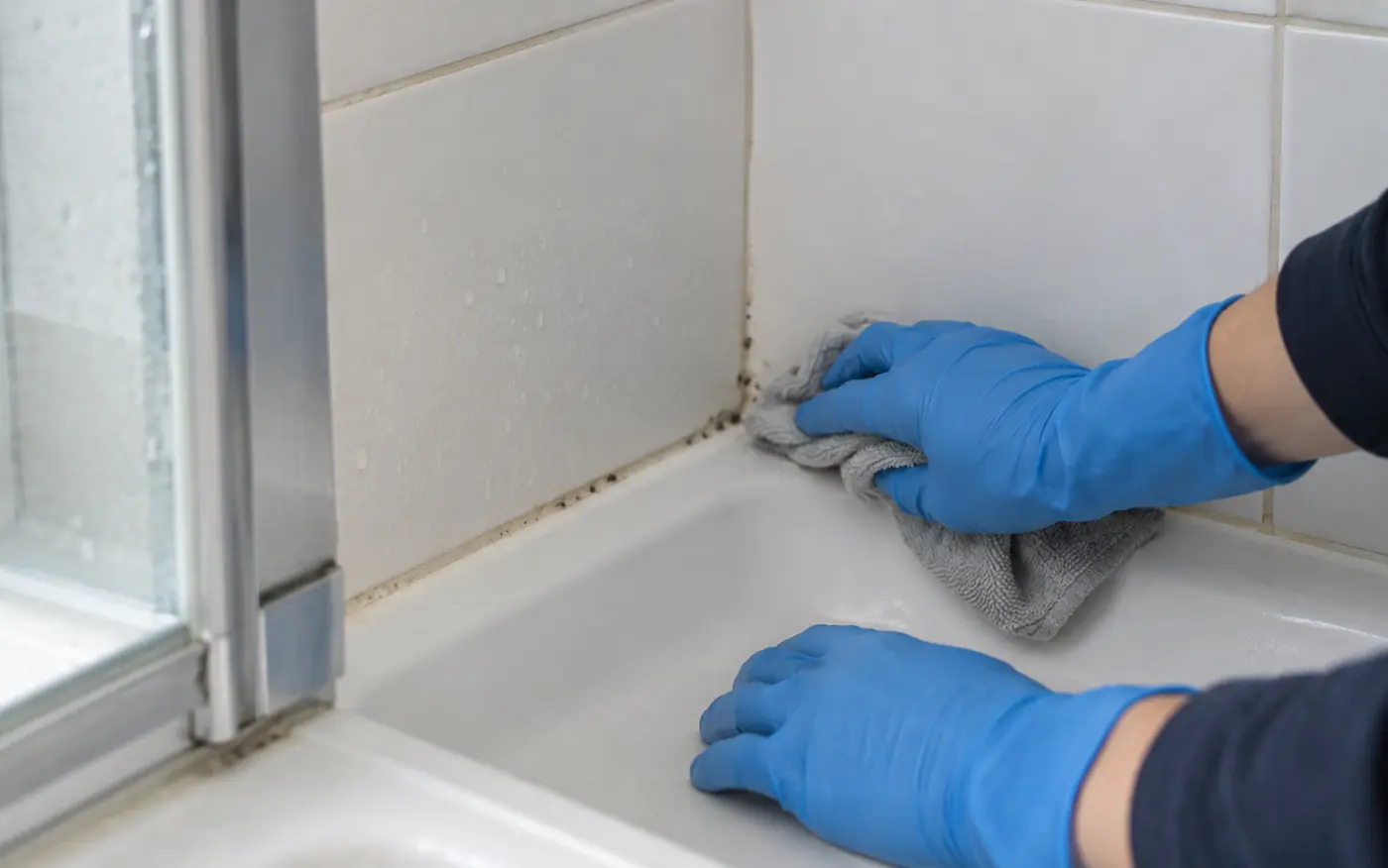
Start with an assessment request
Whether you occupy the home, manage it for an owner or are organising a handover, identify who can approve the proposed work. Describe what you can actually see and what the surface is made from, where known. Provide a wide room photograph, close-ups and approximate dimensions. Mention any ongoing repair arrangements before discussing availability.
The main mould-removal service does not assume every material or extent can be treated on a routine visit. Hidden cavities, unsafe access and deteriorated porous finishes may need another professional. Sharing the full condition early helps avoid booking a surface clean for a job that requires a different response.
How to move from enquiry to an accepted visit
First, supply the address, affected locations, recurrence history and previous products. Next, discuss whether more information or a separate property assessment is needed. Where cleaning is appropriate, review the exact accessible surfaces, proposed limitations and preparation requirements. Accept the quotation only once these points are understood, rather than relying on a promise to remove everything.
Finally, agree access, a reachable contact and how the accepted work will be reviewed. Tell the team about people or pets who may be present so working arrangements can be discussed. If conditions change, such as a new leak or larger visible extent, update the enquiry before the team travels.
Define the boundary between treatment and repair
A surface-cleaning appointment does not fix plumbing, inspect every hidden layer or replace damaged building materials. Failed silicone, soft plaster or affected fabrics may need separate action. Identify these concerns early and ask which items can be considered within the accepted scope. Permanent staining or material damage may remain after suitable cleaning.
The government’s damp and mould guidance supports dealing with moisture alongside visible mould. Arrange appropriate investigation where a defect or persistent damp is suspected. Do not read a cleaning quote as a diagnosis, a medical assessment or a permanent solution to an unidentified moisture source.
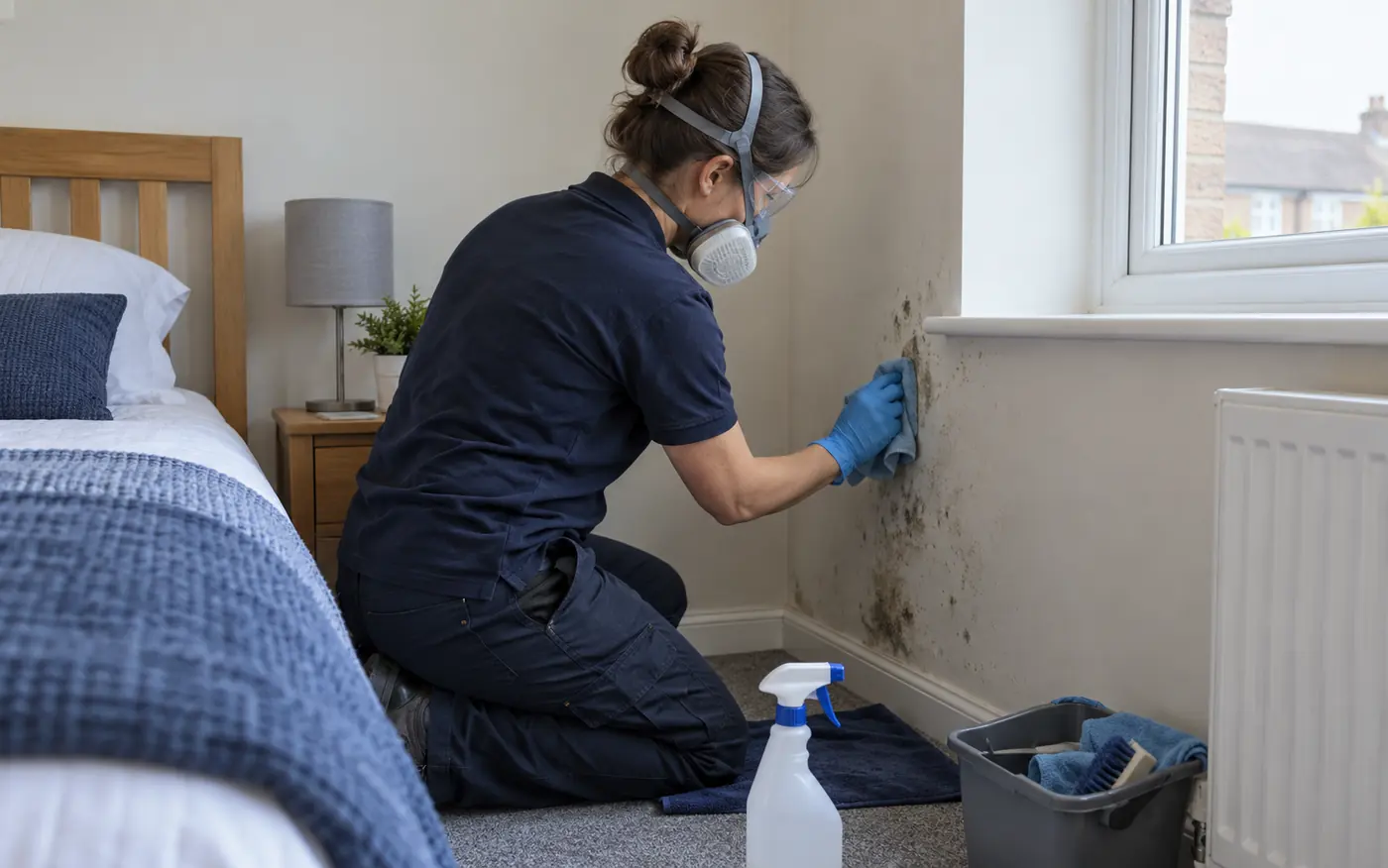
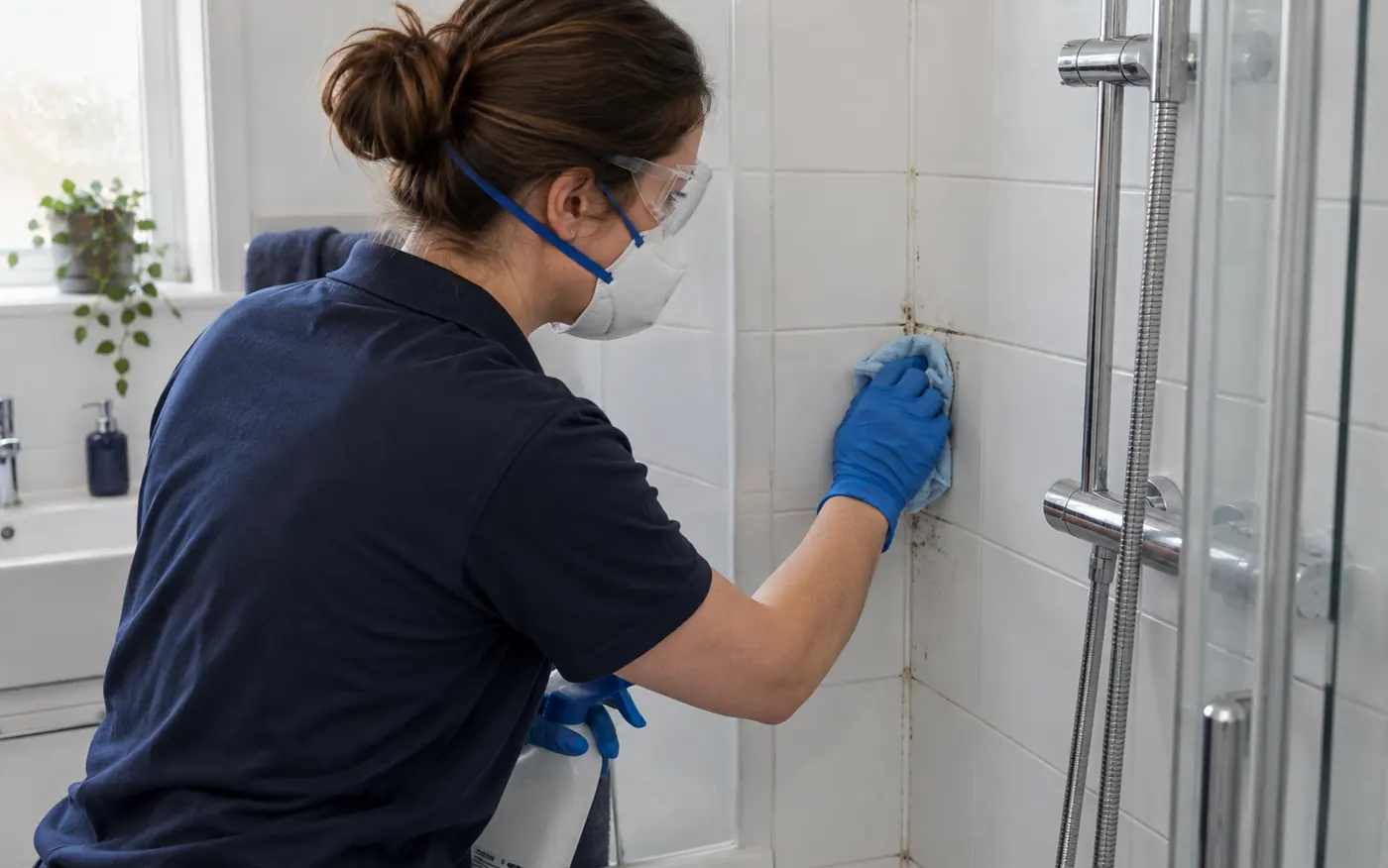
Prepare only as instructed
Report everything already applied to the area and any repainting, sanding or removal attempted. Do not mix cleaning products or disturb the material to prepare for a visit. Keep the proposed work area clear as directed and arrange safe access without moving affected objects through the home unnecessarily. Ask if anything should remain untouched until assessment.
The contractor should decide suitable methods and protective controls for the actual task, including PPE where required. The necessary precautions depend on the condition and material, rather than one universal household recipe. Keep a contact available to discuss an unexpected finding and accept that additional information may change what work can proceed.
Confirm the quote before the appointment
Mould removal is advertised from £120. The amount for your Acton enquiry depends on visible extent, materials, condition, access and accepted work. Request a written total showing applicable VAT, exclusions and any agreed access charge. The starting price is not an offer to treat every surface or hidden area in a property.
If other rooms need cleaning, discuss deep cleaning as a separate scope. For ordinary bathroom residue, bathroom deep cleaning has different boundaries. Preparing a move may also require tenancy cleaning, but a handover deadline does not override the suitability assessment for suspected mould.
Choose a decision-maker for the visit
Where an owner, occupier and managing agent are all involved, establish who can accept the scope and who arranges separate repairs. Give the team a contact with authority to answer practical questions. Explain any limitation on access before confirmation. This avoids asking a cleaner to make a building-management decision that belongs with the property owner or another professional appointed to investigate the condition.
Acton access and what to retain afterwards
For an Acton property within Ealing, check Ealing Council’s suspension information if a reserved bay is needed. A cleaner’s booking does not authorise a vehicle to ignore restrictions. The council also says road space cannot be reserved using bins or cones. Plan equipment access using the actual street arrangements.
Keep the agreed scope, treatment limitations and any separate referral together after the visit. Record the location if the condition changes again and inform whoever is responsible for investigating moisture. A completed cleaning appointment does not prove there is no hidden mould, guarantee future prevention or decide the condition accepted by a landlord or agent.
Practical answers
Before confirming your booking
Can I confirm a treatment just by sending a postcode?
No. The address helps with logistics, but extent, material, condition and suitability need assessment before accepted work and a price can be agreed.
What happens if the affected area is larger than expected?
Inform the team before arrival if possible. A larger or different condition may require revised assessment, a changed scope or another professional rather than automatic extra cleaning.
Should I buy a stronger product first?
Avoid experimenting before assessment. Explain earlier products and follow the accepted preparation instructions; never mix chemicals or disturb affected material to improve its appearance.
Can the result be certified as permanent?
No permanent-removal or hidden-mould certification is implied. Recurrence can depend on unresolved moisture and the condition of materials outside the visible treatment scope.
Nearby areas
For another address, consult the relevant local page before requesting a booking.
See our coverage guide and confirm your full postcode when enquiring.
Your next step
Make the appointment clear.
Call with the full postcode, requirements and preferred date to discuss a quote.