End To End · Ealing
Mould Removal Ealing
Recurring marks around an Ealing window or bathroom need a careful description of the surface and moisture history. This guide explains what to discuss before a mould-cleaning assessment and where its limits lie.
- Distinguish surface treatment from repairs
- Record materials and recurrence
- Agree an assessed scope first
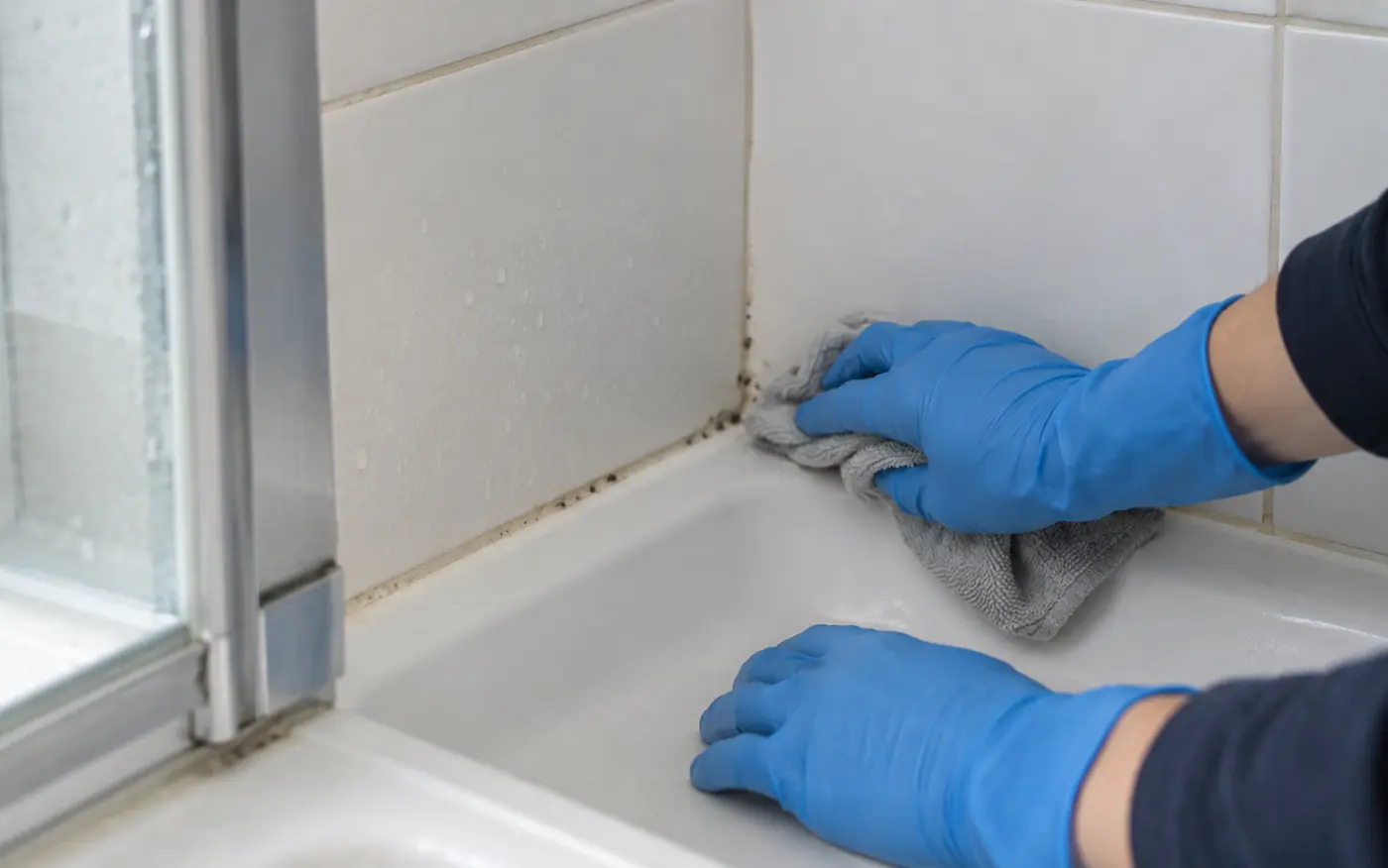
Visible growth is the start of an enquiry
Mould-related enquiries need more detail than a request to clean a dark mark. Explain where it appears, approximately how much surface is affected and whether it has changed over time. Include photographs showing both the patch and its surroundings. Mention nearby pipework, known water damage or repeated condensation without assuming these establish the cause.
Our mould removal scope concerns suitable accessible surfaces assessed before work is accepted. It does not provide a diagnosis of hidden building conditions. If the extent is unclear or unusual, further professional investigation may be needed. Do not remove coverings or disturb finishes just to answer an initial booking question.
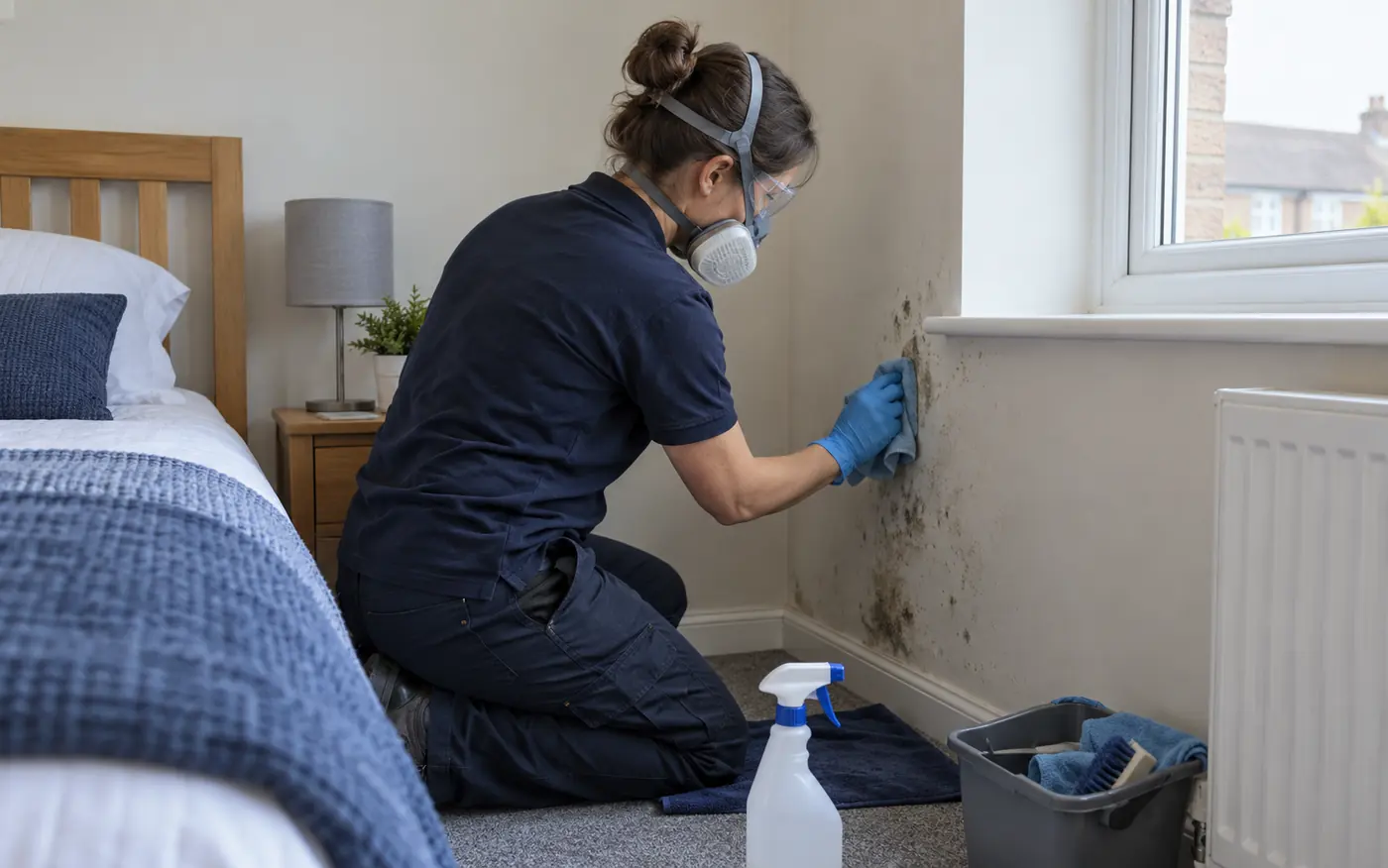
Different surfaces raise different questions
Glazed tile, silicone, painted plaster, timber and fabric are not interchangeable cleaning surfaces. Identify the material where known and send care information if available. Note loose paint, failed joints, deterioration or soft material from observation only. A method suitable for one intact finish may be inappropriate for a porous or damaged adjoining surface.
Cleaning cannot replace failed silicone, rebuild plaster or repair a leaking fitting. Some marks may remain because the underlying material has deteriorated. Ask what can reasonably be treated, which limitations apply and whether repair or replacement should be considered separately. Avoid choosing a product simply because it changed a similar-looking mark somewhere else.
Read the moisture history without making a diagnosis
Keep a short record of when the issue appeared, earlier cleaning and any repair already attempted. If visible growth returns, tell the assessor how quickly and whether the same material is affected. This history helps explain the enquiry, but it is not proof of a particular cause. A cleaning appointment should not be presented as a structural inspection.
The government’s guidance on damp and mould treats moisture causes as an important part of the response. Use an appropriate property professional to investigate suspected defects. Continued moisture can affect recurrence even after suitable visible treatment, so no permanent-removal assurance follows from a clean-looking surface.
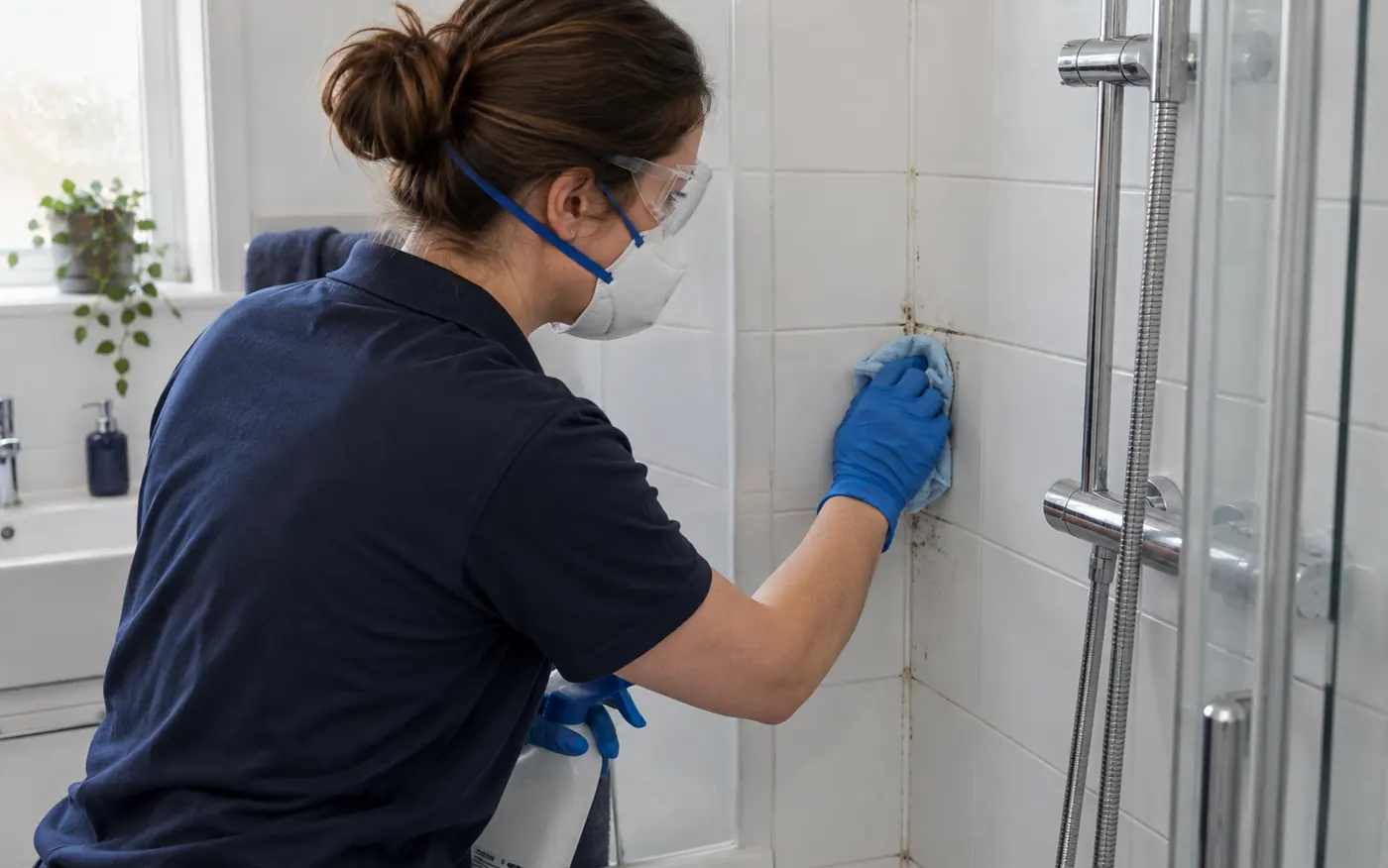
Preparation and working controls
Tell the contractor about any products previously used, including anything applied by an earlier cleaner. Do not mix chemicals, sand a surface or repaint it ahead of assessment. Keep people and belongings clear according to the instructions provided. The extent and material determine whether a visit is suitable and what preparation can safely be requested.
Methods, exposure controls and any required PPE belong to the task assessment. HSE provides respiratory protective equipment guidance; a generic mask recommendation on a web page cannot replace suitable selection for the job. Discuss entry arrangements and whether the work area needs to remain unused during or after treatment.
What the starting price can tell you
The published starting price for mould removal is £120. It indicates an entry point, not a fixed price for every Ealing property. Photographs, extent, materials, access and condition inform the assessment. Confirm the accepted surfaces, exclusions, total, applicable VAT and any agreed access charge before a visit is booked.
Ordinary residue on unaffected sanitaryware can be discussed through bathroom deep cleaning. Wider suitable household tasks may need a separate deep clean. These services should not be represented as substitutes for mould assessment. If moving out, make the separate tenancy checklist clear rather than combining every concern under one broad label.
Flag changing conditions before attendance
Update the enquiry if the visible area spreads, a new surface becomes affected or a leak develops after the original photographs were sent. Those changes can affect suitability and working arrangements. Send a new wide view as well as detail so the assessor can understand what has changed. An earlier quote should not be treated as automatic acceptance of a substantially different condition without further discussion.
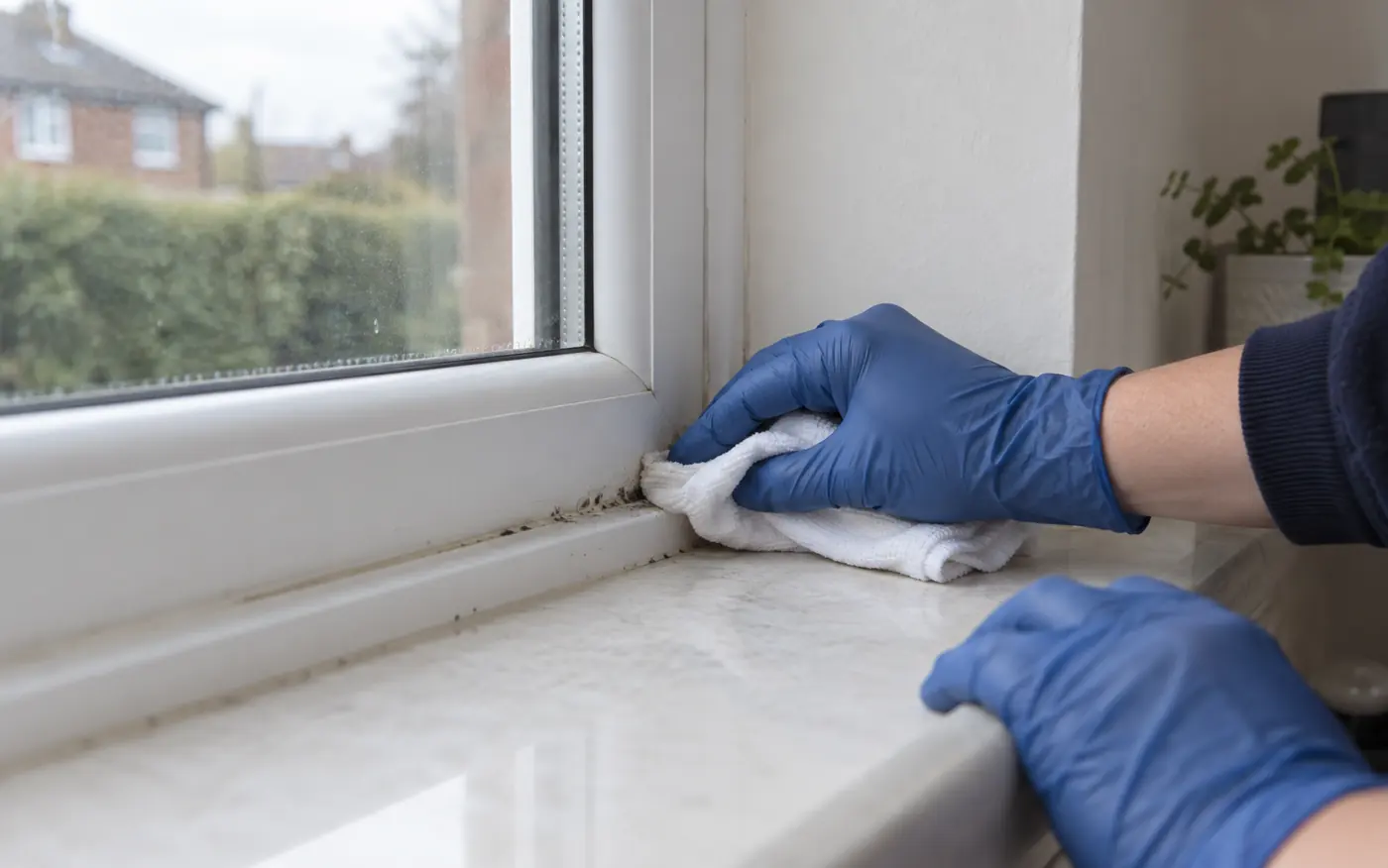
Ealing logistics and useful follow-up information
If equipment access requires a reserved space, read Ealing Council’s parking suspension guidance. The council says bins and cones must not be used to reserve road space. Give the actual lawful unloading option, entrance route and any stairs so arrangements can be assessed before arrival.
After any accepted work, keep a record of the surfaces treated and limitations explained. Confirm recommended next steps and identify who will arrange separate moisture investigation or repairs. Treatment does not certify every cavity or concealed material. If further growth appears, report the location and changes rather than assuming a stronger repeat clean is automatically appropriate.
Practical answers
Questions about methods and materials
Is black staining enough to identify the problem?
Appearance alone does not establish the cause, full extent or treatment suitability. Describe the location and material and arrange assessment before choosing a response.
Can cleaning restore damaged plaster?
No. Deteriorated material may need separate repair or replacement. A surface-treatment quote should state its limits rather than imply building restoration.
What should I tell you about earlier products?
Give names where known, when they were used and what was done. Avoid adding more chemicals or disturbing the material before the assessment.
Does ordinary deep cleaning include mould work?
Do not assume it does. Suspected mould requires explicit assessment of extent and materials, with any accepted treatment separately defined and priced.
Nearby areas
These nearby guides describe the same service in surrounding locations.
See our coverage guide and confirm your full postcode when enquiring.
Your next step
Ask the right questions before treatment.
Explain the materials, condition and access when speaking to End To End.